

5 cents – Belize
Add to wishlist
Belize
Context
Material
References
KM: #
Numista: #5408
Value
Exchange value: 0.05 BZD
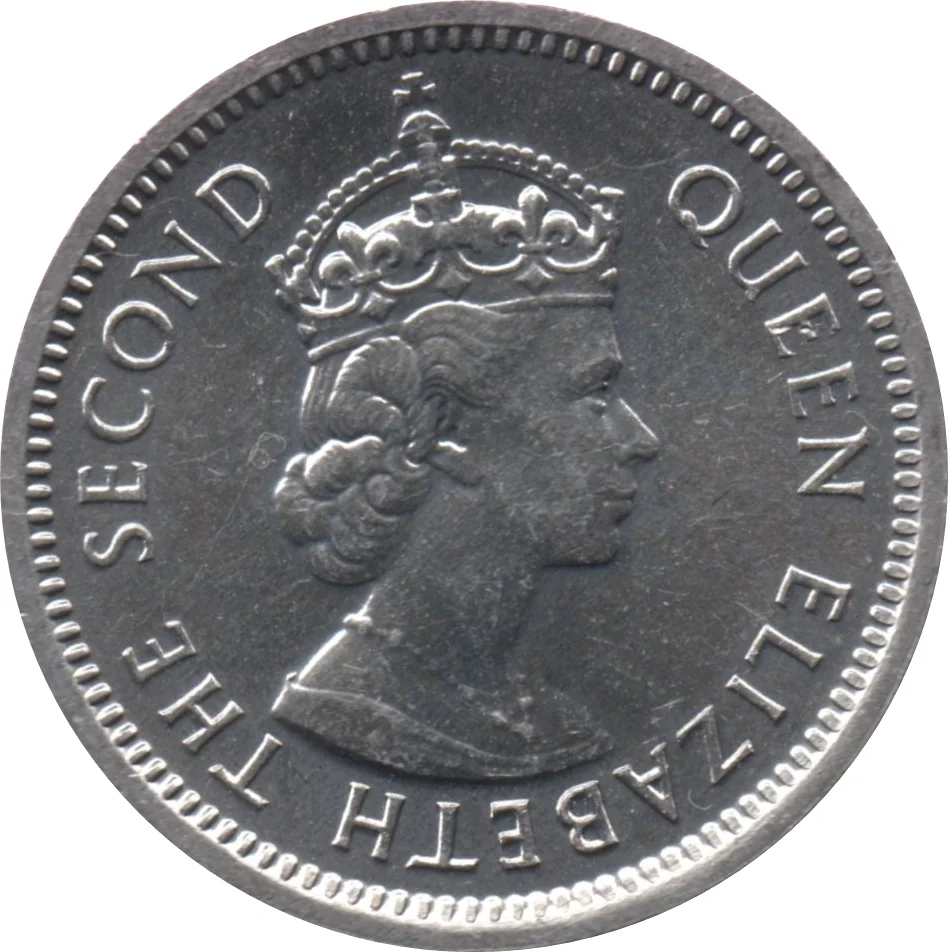
Obverse
Description:
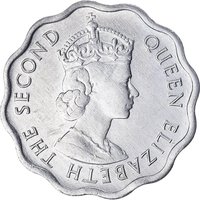
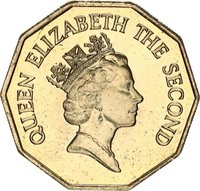
Crowned right-facing bust of Queen Elizabeth II within a beaded circle. Engraver's initials at the truncation.
Inscription:
QUEEN ELIZABETH THE SECOND
CT
CT
Script: Latin
Engraver: Cecil Thomas
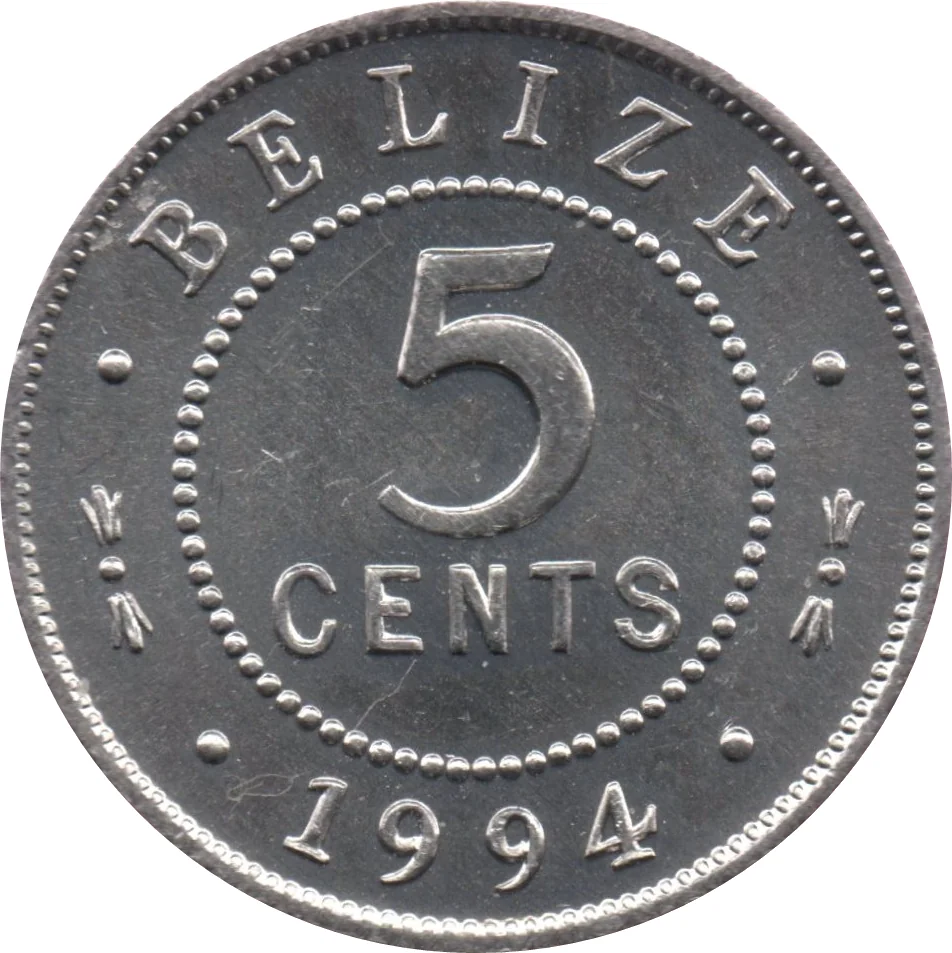
Reverse
Description:
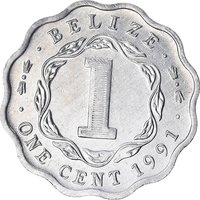
Beaded circle with value inside, date below. Rim encircled by beaded border.
Inscription:
• BELIZE •
5
CENTS
• 1994 •
5
CENTS
• 1994 •
Script: Latin
Edge
Plain
Mints
| Name | Mark |
|---|---|
| Royal Mint | — |
Mintings
| Year | Mint Mark | Mintage | Quality | Collection |
|---|---|---|---|---|
| 1976 | — | 1,000,000 | ||
| 1979 | — | 960,000 | ||
| 1980 | — | 1,040,000 | ||
| 1981 | — | — | ||
| 1986 | — | — | ||
| 1987 | — | — | ||
| 1989 | — | — | ||
| 1991 | — | — | ||
| 1992 | — | — | ||
| 1993 | — | — | ||
| 1994 | — | — | ||
| 2000 | — | — | ||
| 2002 | — | — | ||
| 2003 | — | — | ||
| 2005 | — | — | ||
| 2006 | — | — | ||
| 2009 | — | — | ||
| 2013 | — | — | ||
| 2016 | — | — | ||
| 2018 | — | — | ||
| 2021 | — | — | ||
| 2022 | — | — |
Historical background
In 1976, Belize was navigating a complex currency situation as a British colony on the path to independence. The official currency was the Belize dollar (BZD), which had been introduced in 1973 to replace the British Honduran dollar. It was pegged at a fixed rate of BZ$2 = US$1, a parity established in 1949 and firmly maintained by the Monetary Authority of Belize, which managed the country's currency board system. This peg provided critical stability for trade, as the United States was a major partner, but it also meant Belize's monetary policy was largely dictated by its foreign reserve holdings, primarily in US dollars.
The economy was heavily dependent on agriculture, with sugar, citrus, and bananas as key exports. The fixed exchange rate aided exporters by providing predictability, but it also limited the government's ability to use currency devaluation as a tool to address trade deficits or stimulate the economy. Furthermore, the currency board arrangement required full foreign reserve backing for the domestic money supply, which constrained the government's ability to finance public spending through central bank lending. This fiscal discipline was a point of both strength and tension.
Looking toward full sovereignty, achieved in 1981, the currency arrangement of 1976 represented a deliberate choice for stability over flexibility. Maintaining the strong, fixed link to the US dollar was seen as essential for investor confidence and economic management during the uncertain transition to independence. Consequently, the system in place in 1976 remained largely unchanged for decades, forming the bedrock of Belize's financial system well into the 21st century.
The economy was heavily dependent on agriculture, with sugar, citrus, and bananas as key exports. The fixed exchange rate aided exporters by providing predictability, but it also limited the government's ability to use currency devaluation as a tool to address trade deficits or stimulate the economy. Furthermore, the currency board arrangement required full foreign reserve backing for the domestic money supply, which constrained the government's ability to finance public spending through central bank lending. This fiscal discipline was a point of both strength and tension.
Looking toward full sovereignty, achieved in 1981, the currency arrangement of 1976 represented a deliberate choice for stability over flexibility. Maintaining the strong, fixed link to the US dollar was seen as essential for investor confidence and economic management during the uncertain transition to independence. Consequently, the system in place in 1976 remained largely unchanged for decades, forming the bedrock of Belize's financial system well into the 21st century.
Series: 1976 series
🌱 Very Common