

20 zlotys – Poland
Add to wishlist
Poland
Context
Material
Weight: 28.28 g
Silver Weight:: 26.16 g
Shape: Rectangular
Composition: 92.5% Silver
Magnetic: No
Alignment: Medal alignment
flip
References
Y: #
Numista: #51905
Value
Exchange value: 20 PLN
Bullion value: $65.66
Inflation-adjusted value: 33.65 PLN
Obverse
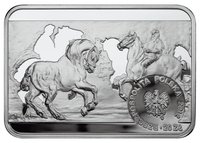
Description:
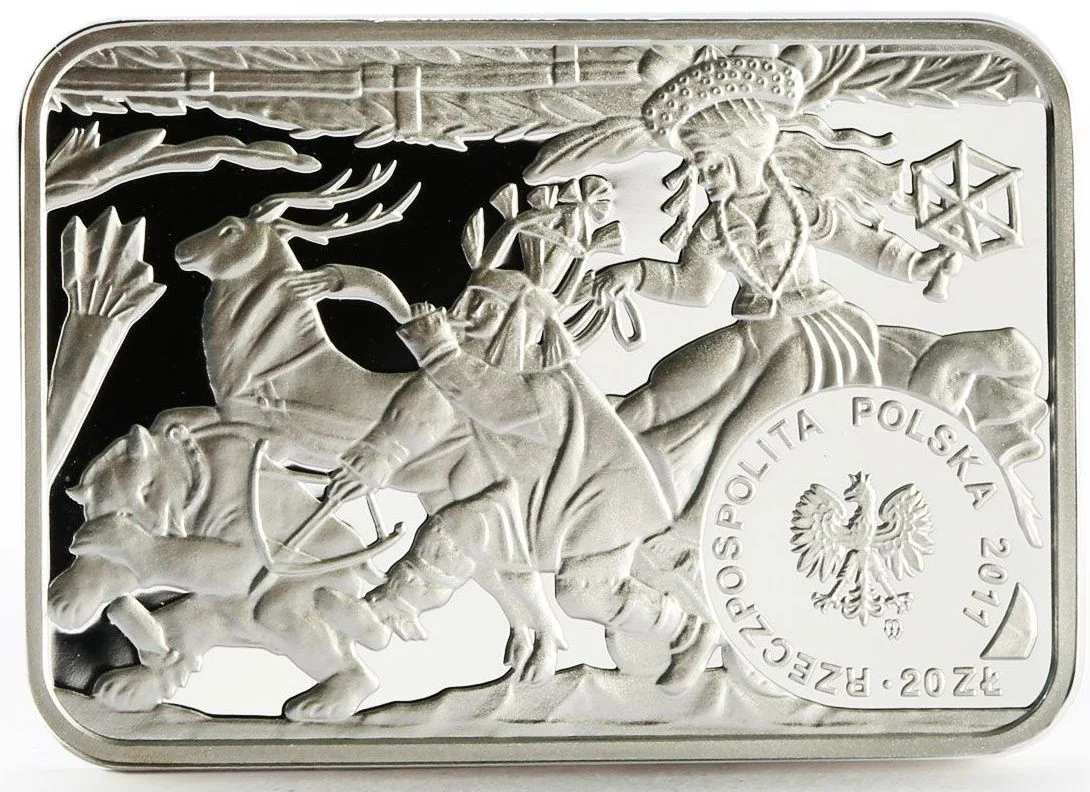
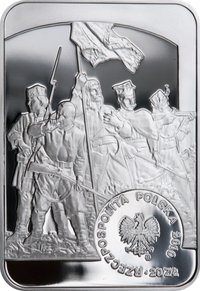
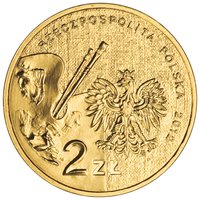
Fragment of "Slavic Months Procession" painting.
Inscription:
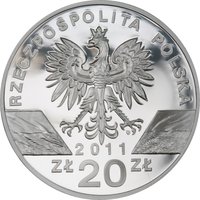
20ZŁ. RZECZPOSPOLITA POLSKA 2011
mw
mw
Translation:
20 ZŁ. REPUBLIC OF POLAND 2011
Script: Latin
Language: Polish
Designer: Urszula Walerzak
Reverse
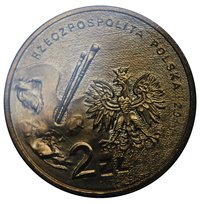
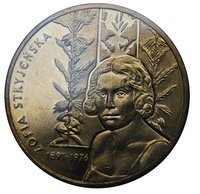
Description:
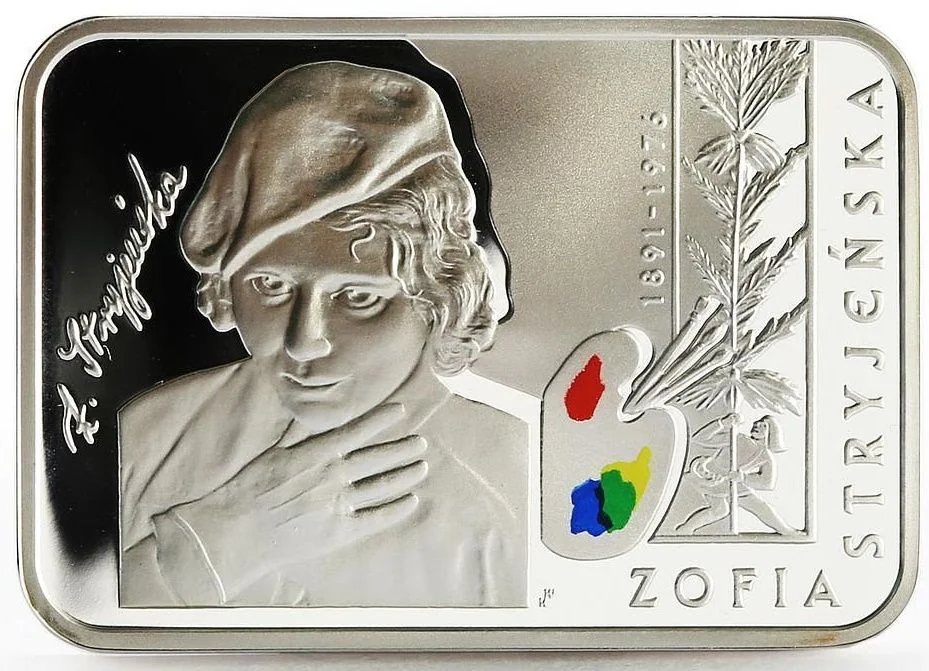
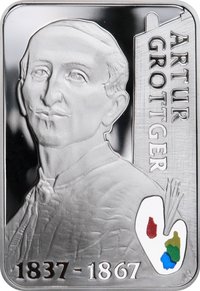
Artist portrait with palette and brushes.
Inscription:
ZOFIA STRYJEŃSKA
1891-1976
1891-1976
Translation:
ZOFIA STRYJEŃSKA
1891-1976
1891-1976
Script: Latin
Language: Polish
Designer: Urszula Walerzak
Edge
Plain
Mints
| Name | Mark |
|---|---|
| Mint of Poland | (MW) |
Mintings
| Year | Mint Mark | Mintage | Quality | Collection |
|---|---|---|---|---|
| 2011 | MW | 50,000 | Proof |
Historical background
In 2011, Poland's currency, the złoty (PLN), navigated a complex environment shaped by the ongoing European sovereign debt crisis and domestic economic resilience. As investor anxiety over the Eurozone's stability intensified, particularly regarding Greece and Italy, the złoty experienced significant volatility and depreciation pressure. Being an open economy with deep financial ties to the EU, Poland was not immune to the regional contagion, leading to a "risk-off" sentiment where capital flowed away from emerging European currencies like the złoty toward perceived safe havens such as the Swiss franc and the US dollar.
Despite these external headwinds, Poland's fundamental economic position provided a crucial counterbalance. The country was the only EU member to avoid a recession during the 2008-09 global financial crisis and maintained robust GDP growth in 2011. This strength, coupled with a relatively sound fiscal policy and a hawkish central bank (NBP) that raised interest rates to combat inflation, helped prevent a more severe currency collapse. The NBP also occasionally intervened in foreign exchange markets to smooth excessive volatility, underscoring its proactive stance in defending the currency's stability.
The year culminated with the złoty ending significantly weaker against both the euro and the dollar, reflecting the overwhelming force of the external crisis. This depreciation had a dual impact: it fueled imported inflation, complicating the central bank's policy decisions, but also made Polish exports more competitive. The situation in 1q1 set the stage for subsequent years, highlighting Poland's delicate position as a regional growth leader still vulnerable to broader European financial turbulence and dependent on global investor sentiment.
Despite these external headwinds, Poland's fundamental economic position provided a crucial counterbalance. The country was the only EU member to avoid a recession during the 2008-09 global financial crisis and maintained robust GDP growth in 2011. This strength, coupled with a relatively sound fiscal policy and a hawkish central bank (NBP) that raised interest rates to combat inflation, helped prevent a more severe currency collapse. The NBP also occasionally intervened in foreign exchange markets to smooth excessive volatility, underscoring its proactive stance in defending the currency's stability.
The year culminated with the złoty ending significantly weaker against both the euro and the dollar, reflecting the overwhelming force of the external crisis. This depreciation had a dual impact: it fueled imported inflation, complicating the central bank's policy decisions, but also made Polish exports more competitive. The situation in 1q1 set the stage for subsequent years, highlighting Poland's delicate position as a regional growth leader still vulnerable to broader European financial turbulence and dependent on global investor sentiment.
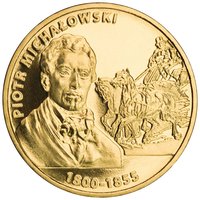
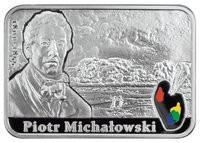
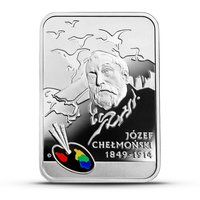
Series: Polish Painters

💎 Extremely Rare