

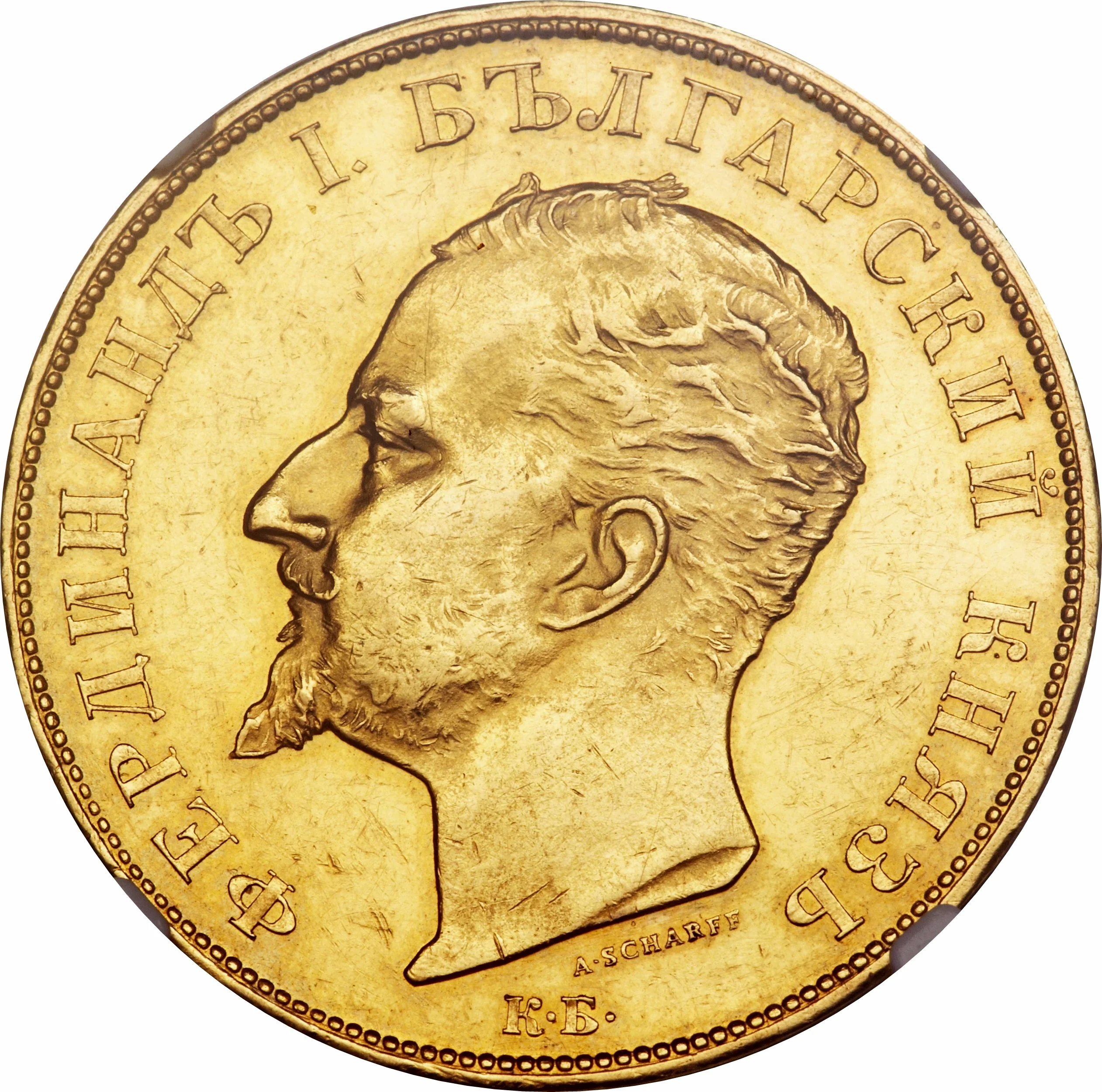
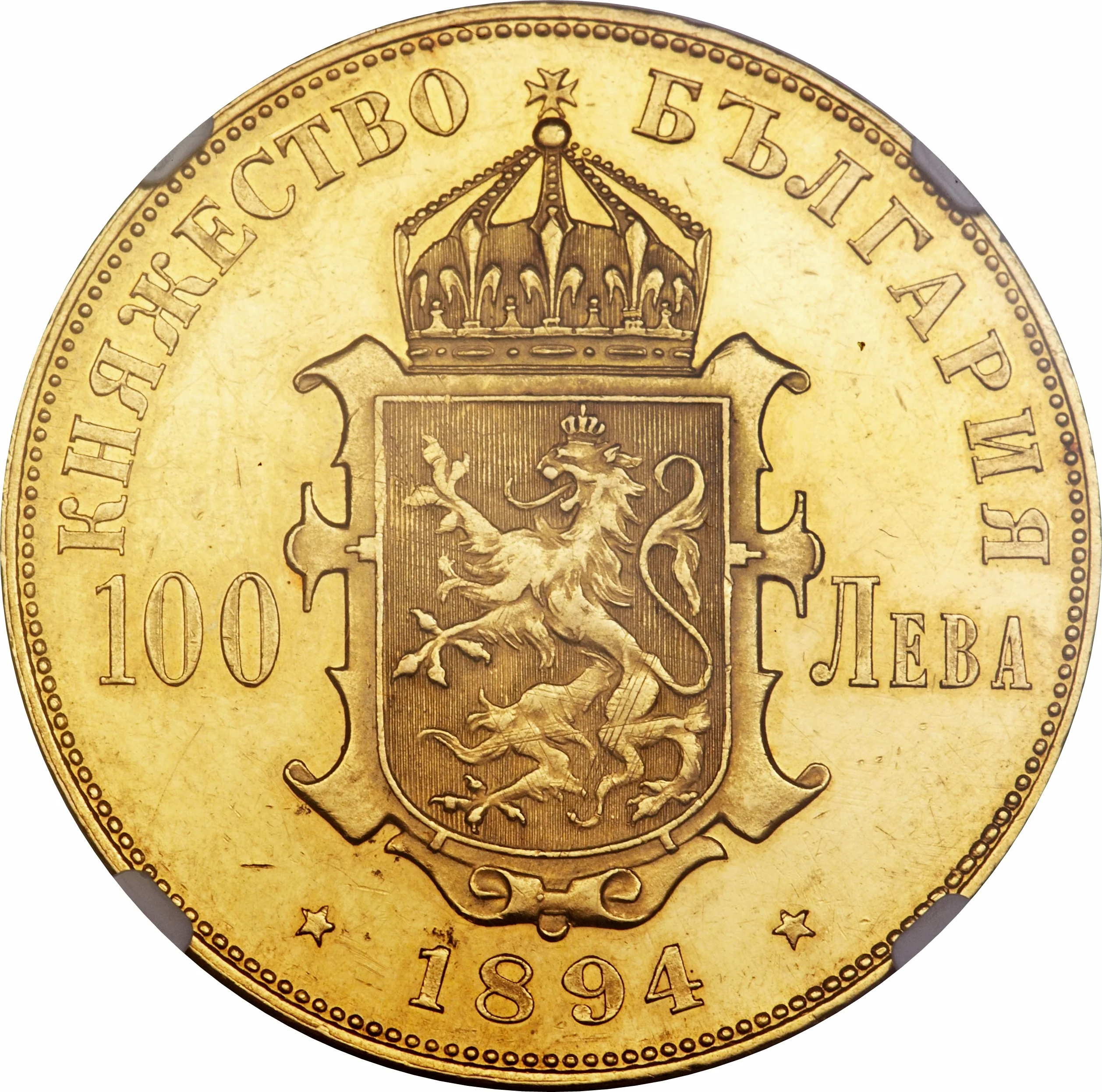
100 Leva – Bulgaria
Bulgaria
Context
Year: 1894
Issuer: Bulgaria 
Ruler: Ferdinand I
Currency:
(1881—1952)
Demonetized: Yes
Total mintage: 2,500
Material
References
KM: #Click to copy to clipboard21
Numista: #51831
Value
Bullion value: $4812.66
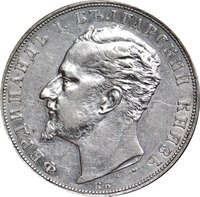
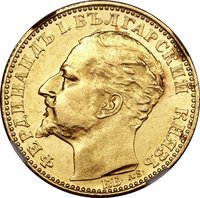
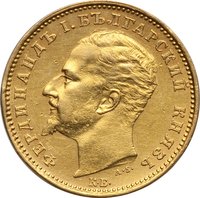
Obverse
Description:
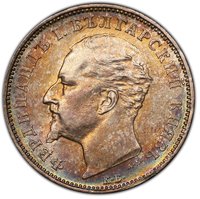
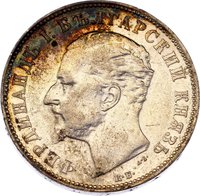
Bust of Ferdinand I with encircling lettering.
Inscription:
ФЕРДИНАНДЪ I. БЪЛГАРСКИЙ КНЯЗЬ
A. SCHRAFF
К∙Б∙
A. SCHRAFF
К∙Б∙
Translation:
FERDINAND I. BULGARIAN PRINCE
A. SCHRAFF
K∙B∙
A. SCHRAFF
K∙B∙
Script: Cyrillic
Engraver: Anton Scharff
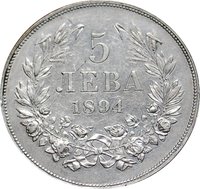
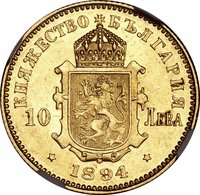
Reverse
Description:
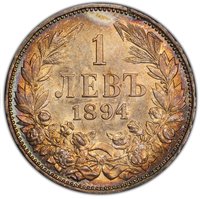
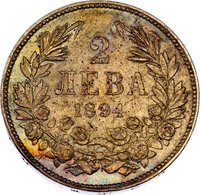
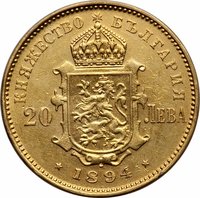
Bulgarian coat of arms, denomination, and date.
Inscription:
КНЯЖЕТВО БЪЛГАРИЯ
100 ЛЕВА
* 1894 *
100 ЛЕВА
* 1894 *
Translation:
PRINCIPALITY OF BULGARIA
100 LEVA
* 1894 *
100 LEVA
* 1894 *
Script: Cyrillic
Language: Bulgarian
Engraver: Anton Scharff
Edge
Categories
| Symbols> Coat of Arms |
| Person> Monarch |
Mints
| Name | Mark |
|---|---|
| Kremnica | КБ |
Mintings
| Year | Mint Mark | Mintage | Quality | Collection |
|---|---|---|---|---|
| 1894 | КБ | 2,500 |
Historical background
In 1894, Bulgaria found itself in a complex monetary situation, operating under a de facto silver standard while grappling with the practical realities of a multi-currency circulation. Officially, the national currency was the Bulgarian lev, pegged to silver since its introduction in 1880. However, the state's financial system was still young and shallow, having been established only after the 1878 liberation from Ottoman rule. Consequently, a significant amount of foreign coinage, particularly French gold francs, Russian rubles, and Ottoman liras, remained in everyday use, especially for larger transactions and international trade, creating a somewhat fragmented monetary environment.
This period was one of transition and strain. The global phenomenon of the late 19th century was the shift from silver to gold, driven by major economic powers. The declining value of silver on the world market put pressure on Bulgaria's silver-backed lev, causing instability and complicating foreign debt payments, which were often denominated in gold-based currencies. Furthermore, the country was burdened by a large foreign debt from the 1880s, and state finances were frequently stretched by the ambitions of Prince (later King) Ferdinand, leading to budget deficits and a reliance on external borrowing.
Therefore, the currency situation in 1894 was marked by a tension between official policy and economic necessity. The government, led by Prime Minister Stefan Stambolov, was actively working to strengthen the nation's financial institutions, including the Bulgarian National Bank, and was laying the groundwork for a future transition to the gold standard to achieve greater stability and integrate more fully with European capital markets. This move, however, would not be formally realized until the Currency Act of 1906, making the 1890s a decade of preparation and navigating the vulnerabilities of a silver-based system in a gold-dominated world.
This period was one of transition and strain. The global phenomenon of the late 19th century was the shift from silver to gold, driven by major economic powers. The declining value of silver on the world market put pressure on Bulgaria's silver-backed lev, causing instability and complicating foreign debt payments, which were often denominated in gold-based currencies. Furthermore, the country was burdened by a large foreign debt from the 1880s, and state finances were frequently stretched by the ambitions of Prince (later King) Ferdinand, leading to budget deficits and a reliance on external borrowing.
Therefore, the currency situation in 1894 was marked by a tension between official policy and economic necessity. The government, led by Prime Minister Stefan Stambolov, was actively working to strengthen the nation's financial institutions, including the Bulgarian National Bank, and was laying the groundwork for a future transition to the gold standard to achieve greater stability and integrate more fully with European capital markets. This move, however, would not be formally realized until the Currency Act of 1906, making the 1890s a decade of preparation and navigating the vulnerabilities of a silver-based system in a gold-dominated world.
Series: 1894 Bulgaria circulation coins
💎 Extremely Rare