

20 centavos – Portuguese Timor
Add to wishlist
Timor-Leste
Context
Year: 1970
Country: Timor-Leste
Issuer: Portuguese Timor
Period:
(1951—1974)
Currency:
(1958—1976)
Demonetized: Yes
Total mintage: 1,000,000
Material
References
KM: #
Numista: #10332
Value
Exchange value: 0.20 TPE
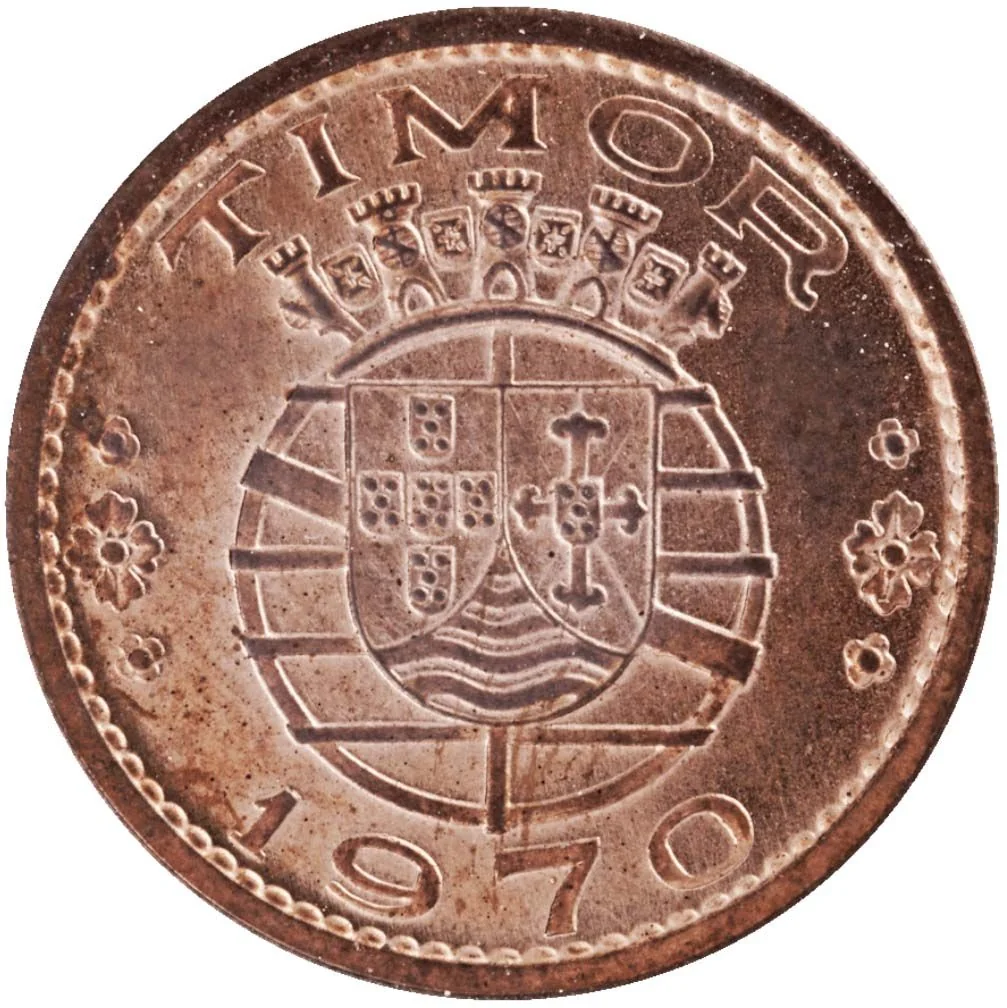
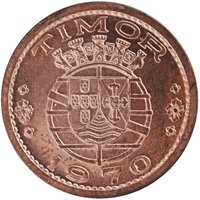
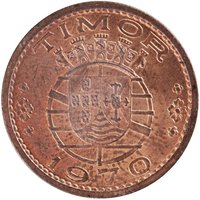
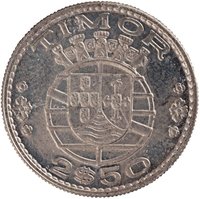
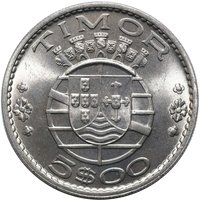
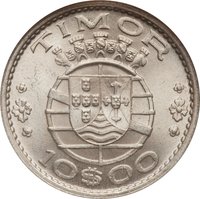
Obverse
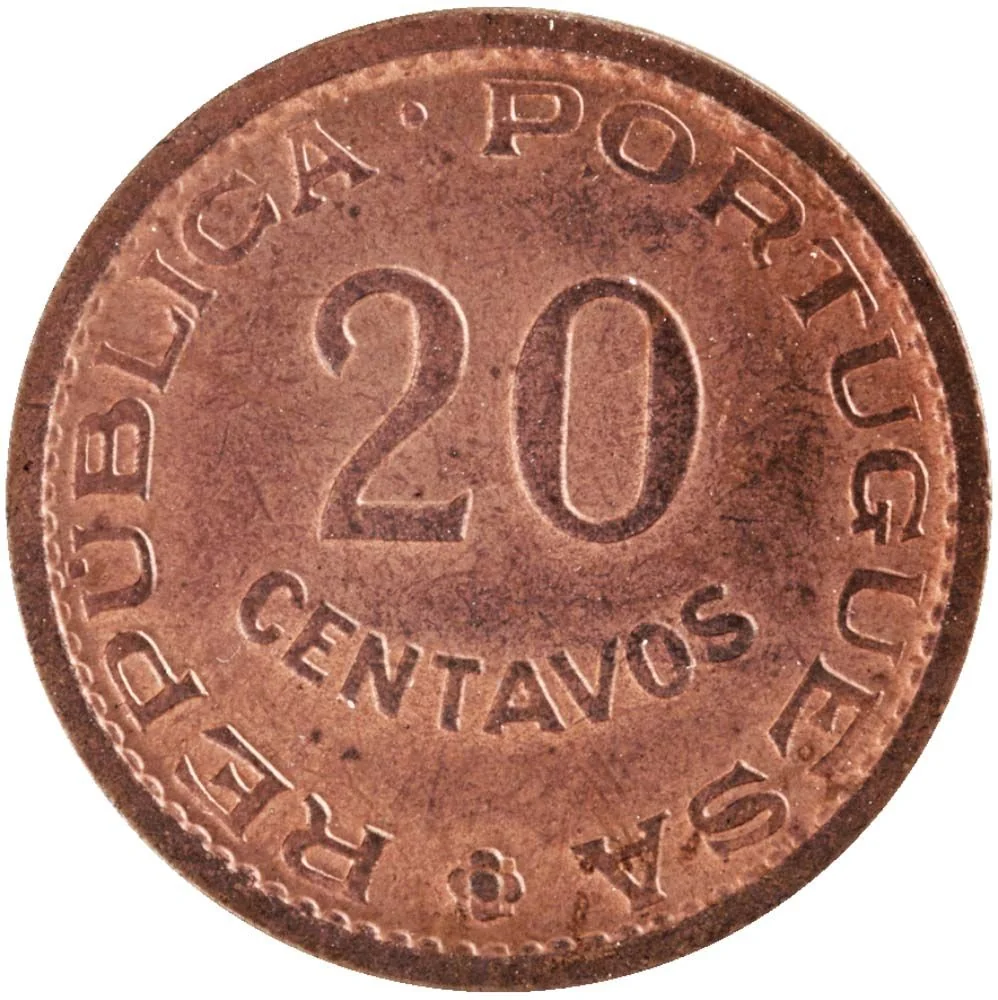
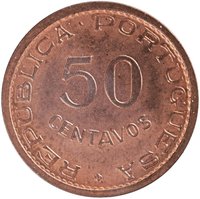
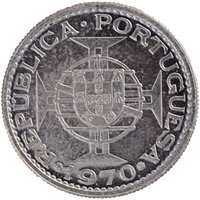
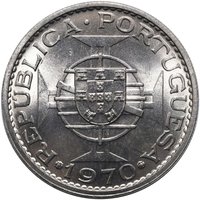
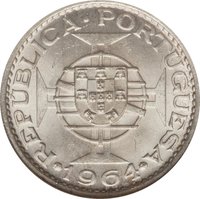
Reverse
Inscription:
20
CENTAVOS
REPUBLICA · PORTUGUESA
CENTAVOS
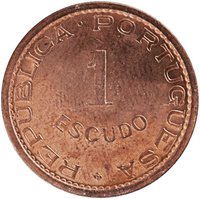
REPUBLICA · PORTUGUESA
Translation:
Twenty Centavos. Portuguese Republic.
Script: Latin
Languages: Portuguese, Latin
Edge
Plain
Categories
| Symbols> Coat of Arms |
Mints
| Name | Mark |
|---|---|
| Imprensa Nacional - Casa da Moeda | — |
Mintings
| Year | Mint Mark | Mintage | Quality | Collection |
|---|---|---|---|---|
| 1970 | — | 1,000,000 |
Historical background
In 1970, Portuguese Timor (present-day Timor-Leste) operated under a unique and complex dual-currency system, a legacy of its colonial administration and geographic position. The official and sole legal tender was the Portuguese Timorese escudo (PTE), which was pegged at par with the Portuguese metropolitan escudo. This currency, introduced in 1959 to replace the pataca, was managed by the Banco Nacional Ultramarino (BNU), which issued all banknotes and coins. However, its circulation and utility were limited, primarily used for government transactions, salaries of civil servants, and trade with Portugal and its other colonies.
Alongside the official escudo, the Indonesian rupiah and the Australian dollar circulated widely and unofficially as de facto parallel currencies, especially in border regions and daily commerce. This pragmatic acceptance was driven by economic reality: the vast majority of Timor's external trade was with its nearest neighbors, Indonesia and Australia, not distant Portugal. Merchants and the population relied on these stable and readily available currencies for cross-border trade and as a more reliable store of value, given Portugal's own economic instabilities and the relative isolation of the Timorese escudo from global financial systems.
This monetary situation reflected the territory's broader geopolitical and economic limbo. While politically administered as an overseas province of Portugal under the authoritarian Estado Novo regime, Timor was economically integrated into its Southeast Asian neighborhood. The dual-system functioned but highlighted the growing disconnect between Lisbon's colonial control and the territory's practical economic linkages. This fragile balance would be shattered just five years later with the outbreak of civil conflict and subsequent Indonesian invasion, which led to the swift replacement of the escudo with the Indonesian rupiah as the official currency.
Alongside the official escudo, the Indonesian rupiah and the Australian dollar circulated widely and unofficially as de facto parallel currencies, especially in border regions and daily commerce. This pragmatic acceptance was driven by economic reality: the vast majority of Timor's external trade was with its nearest neighbors, Indonesia and Australia, not distant Portugal. Merchants and the population relied on these stable and readily available currencies for cross-border trade and as a more reliable store of value, given Portugal's own economic instabilities and the relative isolation of the Timorese escudo from global financial systems.
This monetary situation reflected the territory's broader geopolitical and economic limbo. While politically administered as an overseas province of Portugal under the authoritarian Estado Novo regime, Timor was economically integrated into its Southeast Asian neighborhood. The dual-system functioned but highlighted the growing disconnect between Lisbon's colonial control and the territory's practical economic linkages. This fragile balance would be shattered just five years later with the outbreak of civil conflict and subsequent Indonesian invasion, which led to the swift replacement of the escudo with the Indonesian rupiah as the official currency.
🌱 Common