

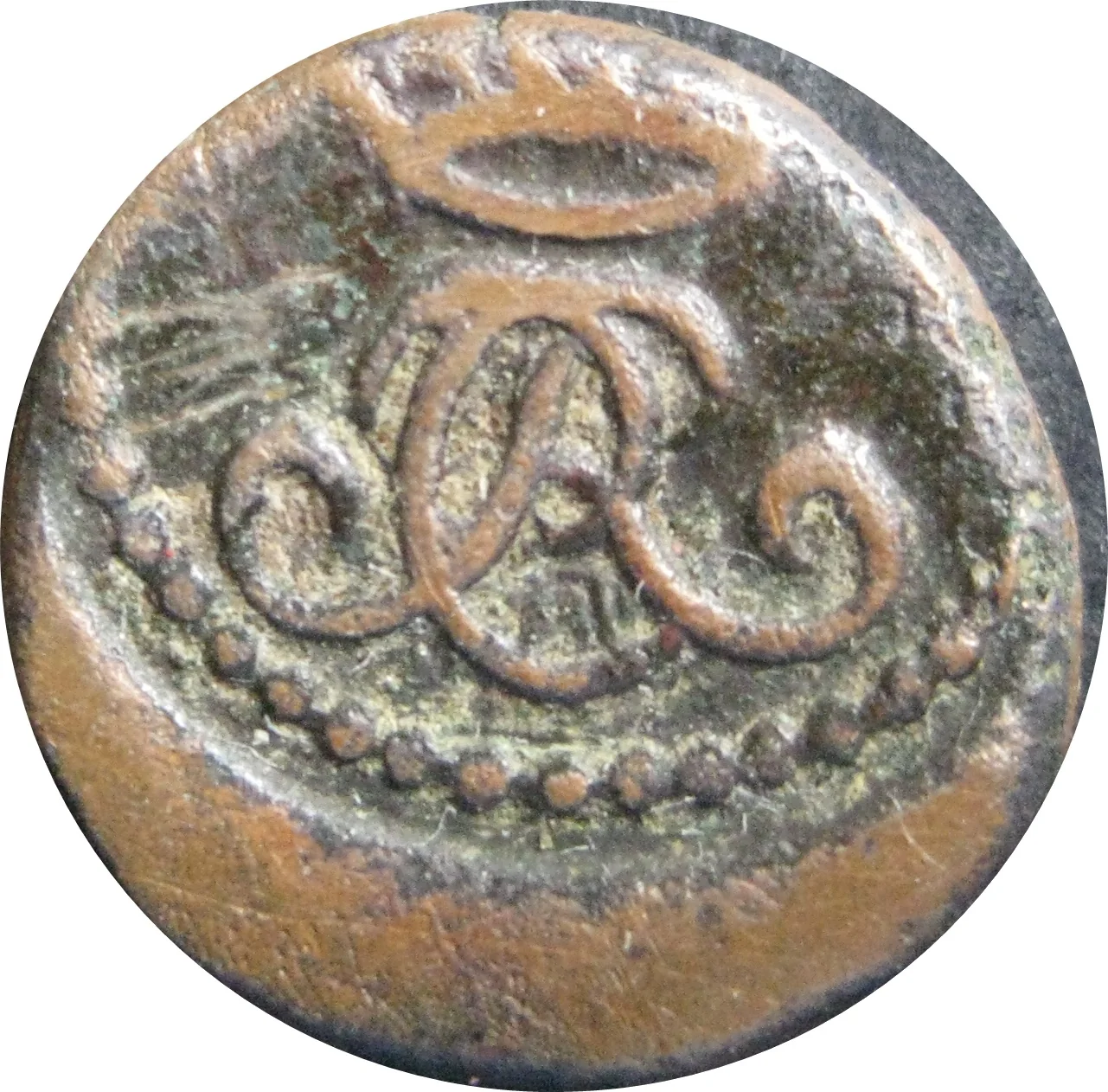
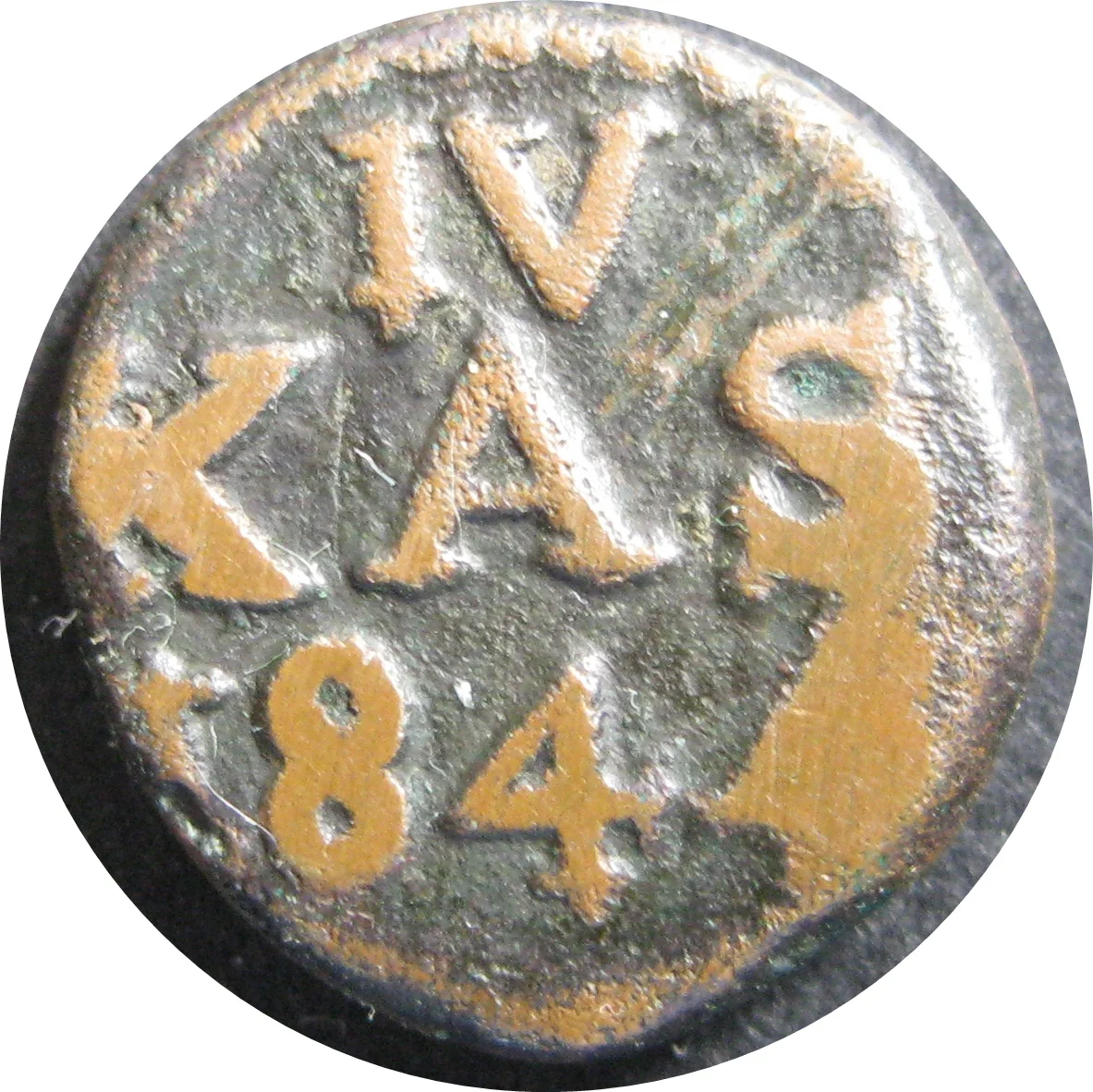
4 cash – Danish India
Add to wishlist
India
Context
Years: 1840–1845
Country: India
Issuer: Danish India
Ruler: Christian VIII
Currency:
(1730—1818)
Demonetized: Yes
Material
Diameter: 13 mm
Weight: 2.4 g
Thickness: 2.5 mm
Shape: Irregular round
Composition: Copper
Magnetic: No
References
KM: #
Numista: #48404
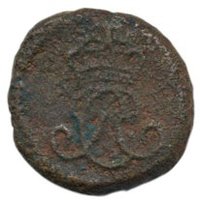
Obverse
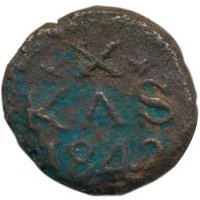
Reverse
Edge
Mintings
| Year | Mint Mark | Mintage | Quality | Collection |
|---|---|---|---|---|
| 1840 | — | — | ||
| 1841 | — | — | ||
| 1842 | — | — | ||
| 1843 | — | — | ||
| 1844 | — | — | ||
| 1845 | — | — |
Historical background
In 1840, the currency situation in Danish India, comprising the small enclaves of Tranquebar (Tharangambadi), Serampore (Frederiksnagore), and the Nicobar Islands, was characterized by monetary complexity and external dependency. The Danish administration did not issue a distinct local currency for general circulation. Instead, the system was dominated by a variety of foreign silver coins, primarily the Indian rupee and its fractions, alongside a limited issue of distinctive local coins. The most notable of these were the "Kasu" coins, struck in copper at the Tranquebar mint, which served for small, local transactions but were insufficient for larger trade.
The primary unit of account for official and significant commercial dealings was the Danish Indian Rupee (Rigsdaler Specie), which was tied to the broader Indian monetary landscape. This rupee was not a physical Danish coin but a standardized accounting unit, its value pegged to the dominant silver currencies circulating in British India. This pragmatic approach ensured compatibility with the vast neighboring economies. Furthermore, British Indian rupees, Arcot rupees, and other regional silver coins circulated freely, their values determined by weight and fineness, creating a de facto multi-currency system where merchants and officials had to be conversant with exchange rates and metal values.
This monetary landscape reflected Denmark’s declining commercial influence in the region. By 1840, the enclaves were economic satellites within the British Indian sphere, and their currency situation underscored a lack of monetary sovereignty. The system was functional but unstandardized, relying on the stability of imported silver. This arrangement would persist until the eventual sale of Danish India to the British East India Company in 1845, after which the territories were fully integrated into the British Indian monetary system.
The primary unit of account for official and significant commercial dealings was the Danish Indian Rupee (Rigsdaler Specie), which was tied to the broader Indian monetary landscape. This rupee was not a physical Danish coin but a standardized accounting unit, its value pegged to the dominant silver currencies circulating in British India. This pragmatic approach ensured compatibility with the vast neighboring economies. Furthermore, British Indian rupees, Arcot rupees, and other regional silver coins circulated freely, their values determined by weight and fineness, creating a de facto multi-currency system where merchants and officials had to be conversant with exchange rates and metal values.
This monetary landscape reflected Denmark’s declining commercial influence in the region. By 1840, the enclaves were economic satellites within the British Indian sphere, and their currency situation underscored a lack of monetary sovereignty. The system was functional but unstandardized, relying on the stability of imported silver. This arrangement would persist until the eventual sale of Danish India to the British East India Company in 1845, after which the territories were fully integrated into the British Indian monetary system.
💎 Extremely Rare