

10 centavos – Mozambique
Add to wishlist
Mozambique
Context
Year: 1942
Issuer: Mozambique
Period:
(1910—1951)
Currency:
(1911—1974)
Demonetized: Yes
Total mintage: 2,000,000
Material
References
KM: #
Numista: #10319
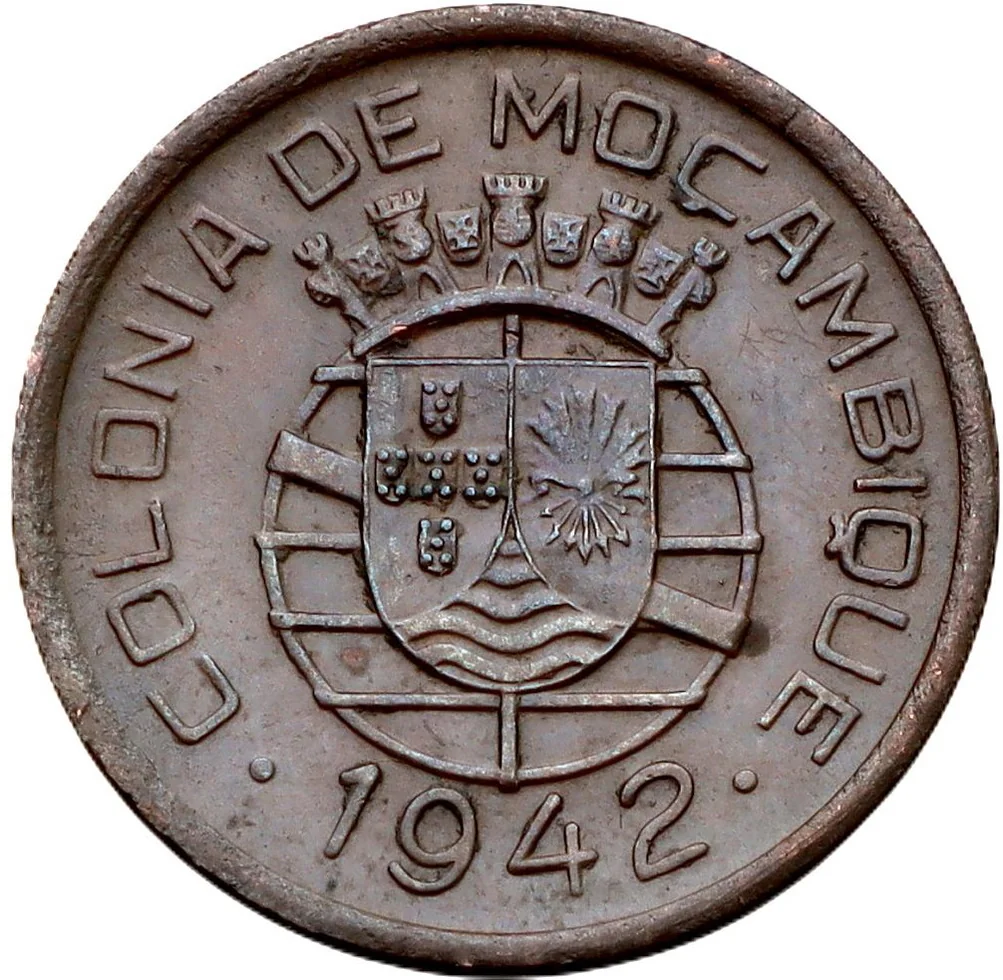
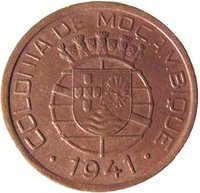
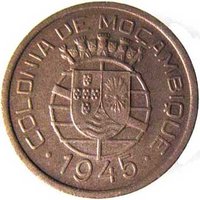
Obverse
Description:
Crowned globe enclosing arms.
Inscription:
COLONIA DE MOÇAMBIQUE
· 1942 ·
· 1942 ·
Translation:
Colony of Mozambique
· 1942 ·
· 1942 ·
Script: Latin
Language: Portuguese
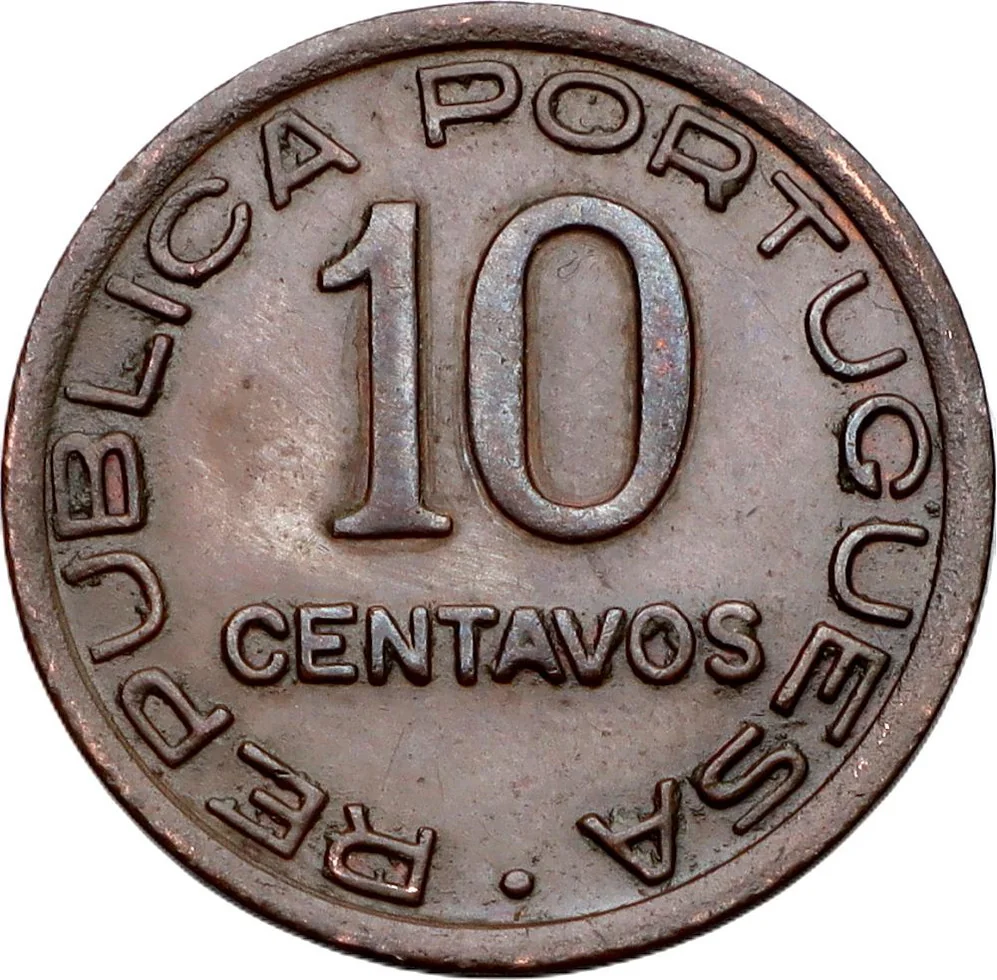
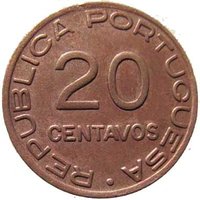
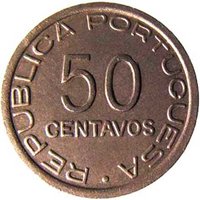
Reverse
Description:
Central value, encircled legend.
Inscription:
REPUBLICA PORTUGUESA ·
10
CENTAVOS
10
CENTAVOS
Translation:
Portuguese Republic
10
Cents
10
Cents
Script: Latin
Language: Portuguese
Edge
Plain
Mintings
| Year | Mint Mark | Mintage | Quality | Collection |
|---|---|---|---|---|
| 1942 | — | 2,000,000 |
Historical background
In 1942, Mozambique, as a colony of Portugal, had its currency situation entirely dictated by the metropole. The official currency was the Portuguese escudo, which had replaced the real in 1911. However, the colony's monetary system was not autonomous; it operated under the control of Lisbon's Banco Nacional Ultramarino (BNU), which held the exclusive right to issue banknotes for Mozambique. These notes were essentially Portuguese escudos designated for use in the colony, pegged at par with the metropolitan currency, ensuring financial integration with Portugal.
The global context of World War II heavily influenced the economy. As a neutral port for Allied shipping, the colony's strategic harbours, particularly Lourenço Marques (now Maputo), saw increased economic activity. This created demand for currency but also led to inflationary pressures and shortages of goods. Crucially, the South African rand circulated widely and unofficially, especially in the southern regions bordering South Africa and Southern Rhodesia, due to substantial labour migration and cross-border trade. This created a de facto dual-currency environment where the rand often held more practical sway in daily commerce than the official escudo.
Despite the wartime disruptions, the Portuguese authorities maintained strict control over foreign exchange and aimed to enforce the use of the escudo. The system was designed to channel colonial resources and trade surpluses back to Portugal. Therefore, the currency situation in 1942 was characterized by a formal, Lisbon-controlled escudo system strained by wartime realities and the pervasive, practical influence of stronger regional currencies, laying bare the tensions between colonial monetary policy and the integrated economic realities of southern Africa.
The global context of World War II heavily influenced the economy. As a neutral port for Allied shipping, the colony's strategic harbours, particularly Lourenço Marques (now Maputo), saw increased economic activity. This created demand for currency but also led to inflationary pressures and shortages of goods. Crucially, the South African rand circulated widely and unofficially, especially in the southern regions bordering South Africa and Southern Rhodesia, due to substantial labour migration and cross-border trade. This created a de facto dual-currency environment where the rand often held more practical sway in daily commerce than the official escudo.
Despite the wartime disruptions, the Portuguese authorities maintained strict control over foreign exchange and aimed to enforce the use of the escudo. The system was designed to channel colonial resources and trade surpluses back to Portugal. Therefore, the currency situation in 1942 was characterized by a formal, Lisbon-controlled escudo system strained by wartime realities and the pervasive, practical influence of stronger regional currencies, laying bare the tensions between colonial monetary policy and the integrated economic realities of southern Africa.
🌱 Fairly Common