

Peru
Context

Material
References
KM: #Click to copy to clipboard207
Numista: #46644
Value
Exchange value: 10 PEH
Bullion value: $1221.23
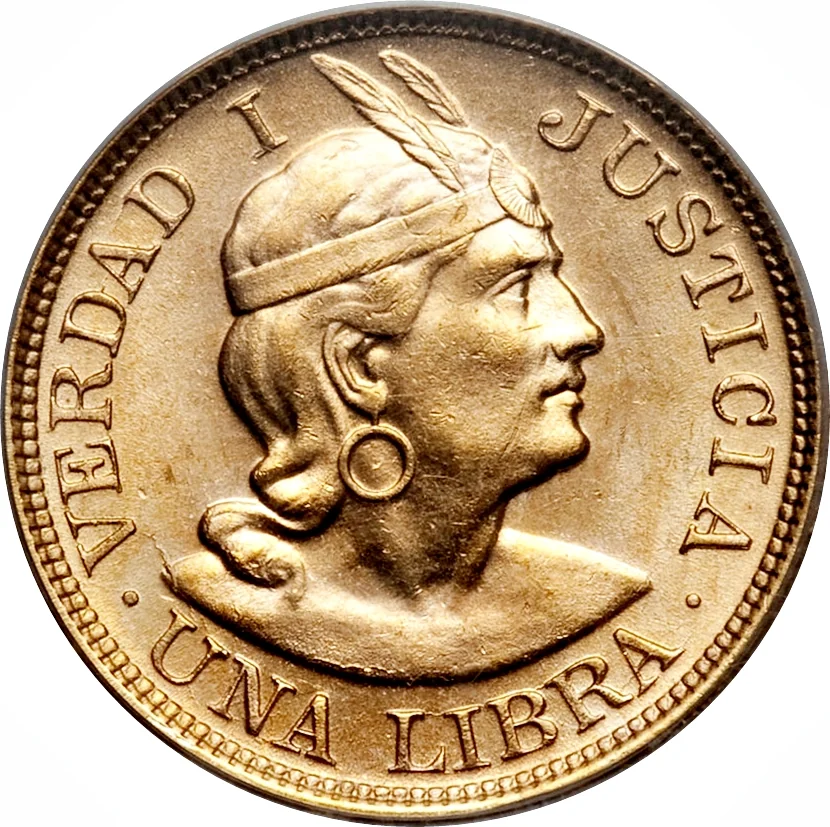
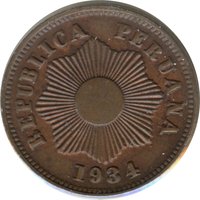
Obverse
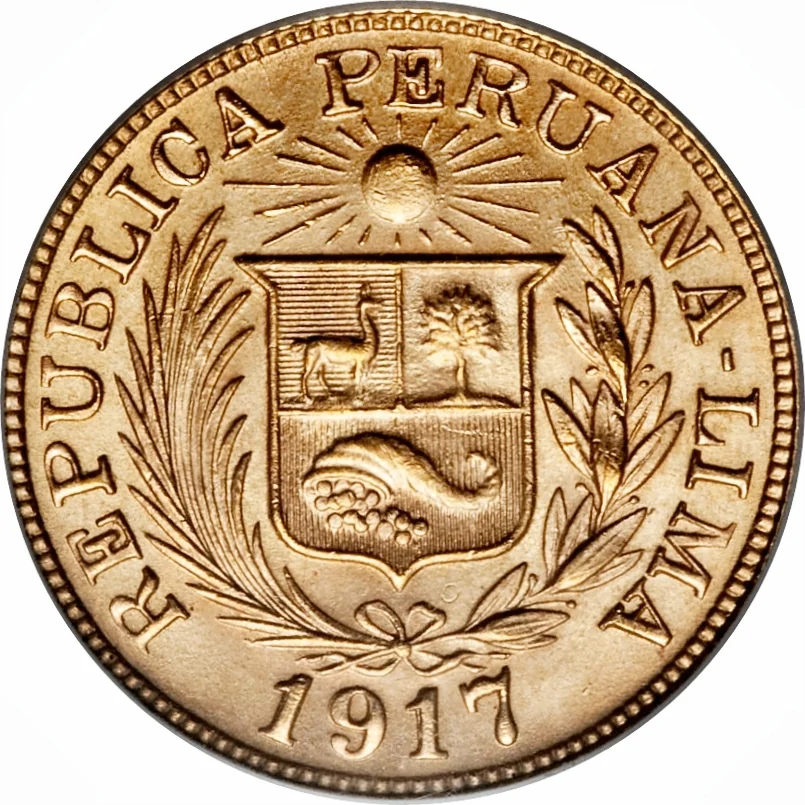
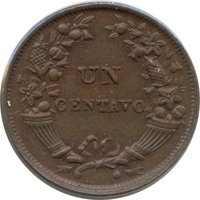
Reverse
Edge
Categories
| Symbols> Coat of Arms |
Mints
| Name | Mark |
|---|---|
| Lima | — |
Mintings
| Year | Mint Mark | Mintage | Quality | Collection |
|---|---|---|---|---|
| 1898 | RF | — | ||
| 1899 | RF | — | ||
| 1900 | RF | 64,000 | ||
| 1901 | RF | 81,000 | ||
| 1902 | RF | 89,000 | ||
| 1903 | RF | 100,000 | ||
| 1904 | RF | 33,000 | ||
| 1905 | GF | — | ||
| 1905 | RF | 141,000 | ||
| 1906 | GF | 201,000 | ||
| 1907 | GG | — | ||
| 1908 | GG | 36,000 | ||
| 1909 | GG | 52,000 | ||
| 1910 | GG | 47,000 | ||
| 1911 | GG | 42,000 | ||
| 1912 | GG | 54,000 | ||
| 1912 | PG | — | ||
| 1913 | PG | — | ||
| 1914 | PBLG | 119,000 | ||
| 1914 | PG | — | ||
| 1915 | — | — | ||
| 1915 | PMGG | — | ||
| 1915 | PVH | — | ||
| 1916 | — | 582,000 | ||
| 1917 | — | 1,928,000 | ||
| 1918 | — | 600,000 | ||
| 1919 | — | — | ||
| 1920 | — | 152,000 | ||
| 1921 | — | — | ||
| 1922 | — | 13,000 | ||
| 1923 | — | 15,000 | ||
| 1924 | — | 8,113 | ||
| 1925 | — | 9,068 | ||
| 1926 | — | 4,596 | ||
| 1927 | — | 8,360 | ||
| 1928 | — | 2,184 | ||
| 1929 | — | 3,119 | ||
| 1930 | — | 1,050 | ||
| 1959 | BR | 605 | ||
| 1961 | BR | 402 | ||
| 1962 | BR | 6,203 | ||
| 1963 | BR | 302 | ||
| 1964 | BR | 13,000 | ||
| 1965 | BR | 9,917 | ||
| 1966 | BR | 39,000 | ||
| 1967 | BR | 2,002 | ||
| 1968 | BB | — | ||
| 1968 | BR | 7,307 | ||
| 1969 | BR | 7,307 |
Historical background
In 1898, Peru's currency situation was defined by the complex and inflationary legacy of the Peruvian silver sol, which had been the national currency since 1863. The global crisis in the silver market, triggered by the demonetization of silver in many industrialized nations, caused the value of silver to plummet. As Peru's sol was a silver-based currency, its international value fell sharply against gold-backed currencies like the British pound and the U.S. dollar. This depreciation led to severe economic instability, making it difficult for the Peruvian government to service its substantial external debt, much of which was denominated in gold-backed pounds sterling.
Domestically, the government of President Nicolás de Piérola was grappling with the practical consequences of this devaluation. While exports (like sugar and cotton) became cheaper for foreign buyers, the cost of imports and debt repayment soared, contributing to a fiscal crisis. In response, Piérola's administration took a decisive step toward monetary reform by passing the Law of Monetary Reform in 1897, which came into full effect in 1898. This law established the gold standard, creating a new currency unit, the libra peruana (Peruvian pound), pegged to the British pound sterling, while the old silver sol was relegated to subsidiary coinage.
Thus, 1898 marked a pivotal year of transition. The country was officially operating under a new, gold-based system intended to stabilize the currency, restore international credit, and attract foreign investment. However, in practice, the transition was challenging. The government struggled with a scarcity of gold reserves, and the old devalued silver soles remained in widespread circulation among the general populace, leading to a period of dual circulation and ongoing economic adjustment as the nation sought to leave the volatility of the silver standard behind.
Domestically, the government of President Nicolás de Piérola was grappling with the practical consequences of this devaluation. While exports (like sugar and cotton) became cheaper for foreign buyers, the cost of imports and debt repayment soared, contributing to a fiscal crisis. In response, Piérola's administration took a decisive step toward monetary reform by passing the Law of Monetary Reform in 1897, which came into full effect in 1898. This law established the gold standard, creating a new currency unit, the libra peruana (Peruvian pound), pegged to the British pound sterling, while the old silver sol was relegated to subsidiary coinage.
Thus, 1898 marked a pivotal year of transition. The country was officially operating under a new, gold-based system intended to stabilize the currency, restore international credit, and attract foreign investment. However, in practice, the transition was challenging. The government struggled with a scarcity of gold reserves, and the old devalued silver soles remained in widespread circulation among the general populace, leading to a period of dual circulation and ongoing economic adjustment as the nation sought to leave the volatility of the silver standard behind.
🌟 Limited