

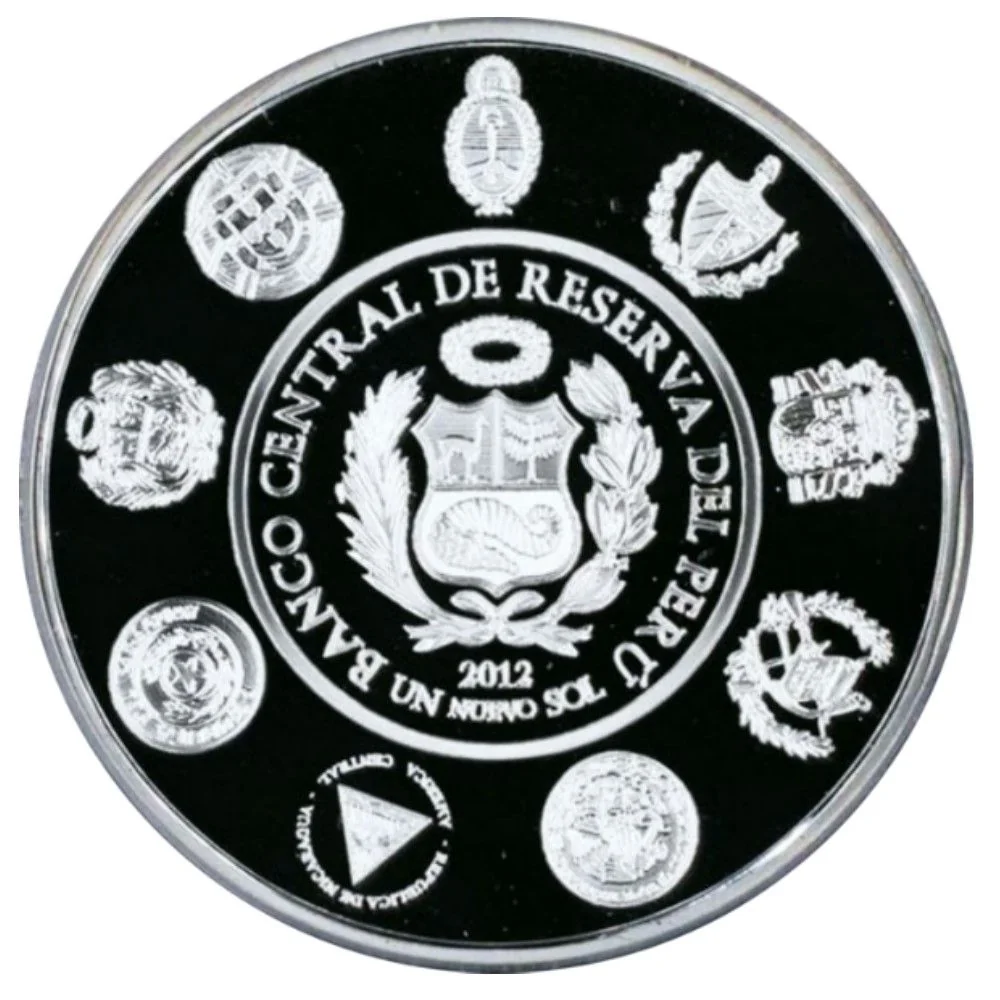
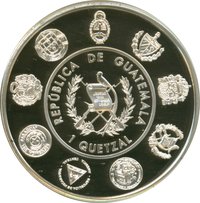
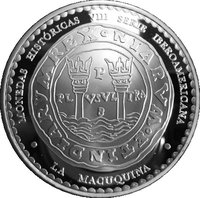
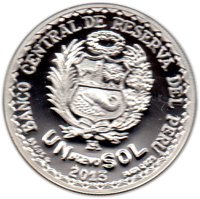
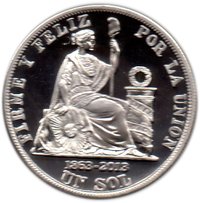
Obverse
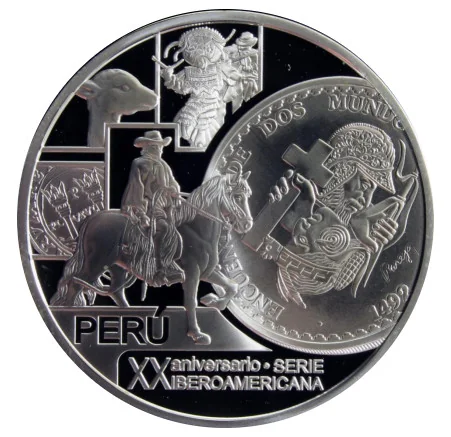
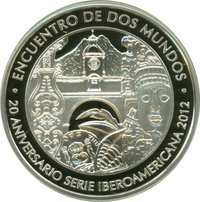
Reverse
Description:
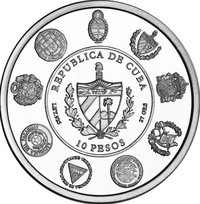
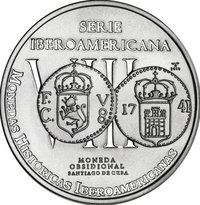
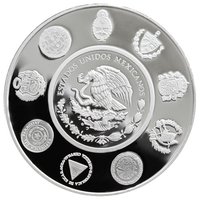
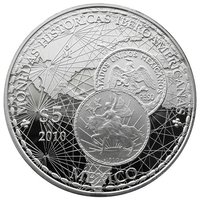
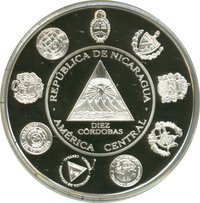
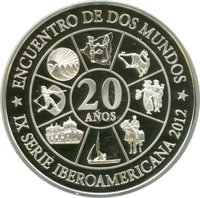
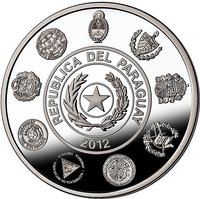
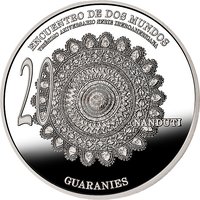
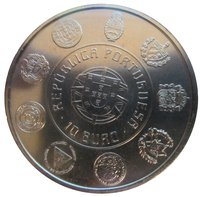
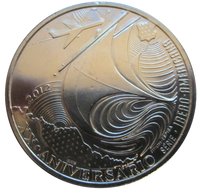
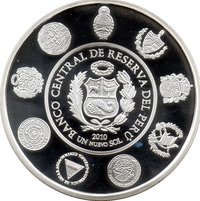
Earlier coins in the Ibero-American series.
Inscription:
PERU
XX ANIVERARIO . SERIE
IBEROAMARICANA
XX ANIVERARIO . SERIE
IBEROAMARICANA
Script: Latin
Edge
Reeded
Mintings
| Year | Mint Mark | Mintage | Quality | Collection |
|---|---|---|---|---|
| 2012 | — | 14,000 | Proof |
Historical background
In 2012, Peru's currency, the nuevo sol (PEN), was characterized by significant appreciation pressure and active intervention by the Central Reserve Bank of Peru (BCRP). This strength was primarily driven by high prices for Peru's key commodity exports, particularly copper and gold, which attracted substantial foreign capital inflows. The resulting demand for soles pushed the currency to multi-year highs, raising concerns among exporters and policymakers about "Dutch disease," where a strong currency could hurt the competitiveness of non-traditional exports and domestic industries.
To manage this appreciation and accumulate foreign reserves as a buffer against external shocks, the BCRP implemented a robust program of sterilized intervention. Throughout the year, it purchased billions of dollars in the foreign exchange market while simultaneously selling central bank certificates to absorb the excess liquidity and prevent inflationary pressures. This cautious approach was part of a broader macro-prudential framework aimed at maintaining financial stability. Despite these efforts, the sol ended 2012 as one of the best-performing currencies in the region, appreciating approximately 5.6% against the US dollar over the course of the year.
The overall economic context was one of robust growth, with GDP expanding by over 6%, low inflation anchored within the target range (ending the year at 2.6%), and strong fiscal fundamentals. However, the currency situation highlighted the dual-edged nature of Peru's commodity-dependent growth model. While the strong sol helped keep inflation low and made imports cheaper, it remained a point of tension for the export sector and manufacturing, framing a key policy challenge for the BCRP in balancing stability with competitiveness.
To manage this appreciation and accumulate foreign reserves as a buffer against external shocks, the BCRP implemented a robust program of sterilized intervention. Throughout the year, it purchased billions of dollars in the foreign exchange market while simultaneously selling central bank certificates to absorb the excess liquidity and prevent inflationary pressures. This cautious approach was part of a broader macro-prudential framework aimed at maintaining financial stability. Despite these efforts, the sol ended 2012 as one of the best-performing currencies in the region, appreciating approximately 5.6% against the US dollar over the course of the year.
The overall economic context was one of robust growth, with GDP expanding by over 6%, low inflation anchored within the target range (ending the year at 2.6%), and strong fiscal fundamentals. However, the currency situation highlighted the dual-edged nature of Peru's commodity-dependent growth model. While the strong sol helped keep inflation low and made imports cheaper, it remained a point of tension for the export sector and manufacturing, framing a key policy challenge for the BCRP in balancing stability with competitiveness.
Series: Ibero-American
💎 Extremely Rare