

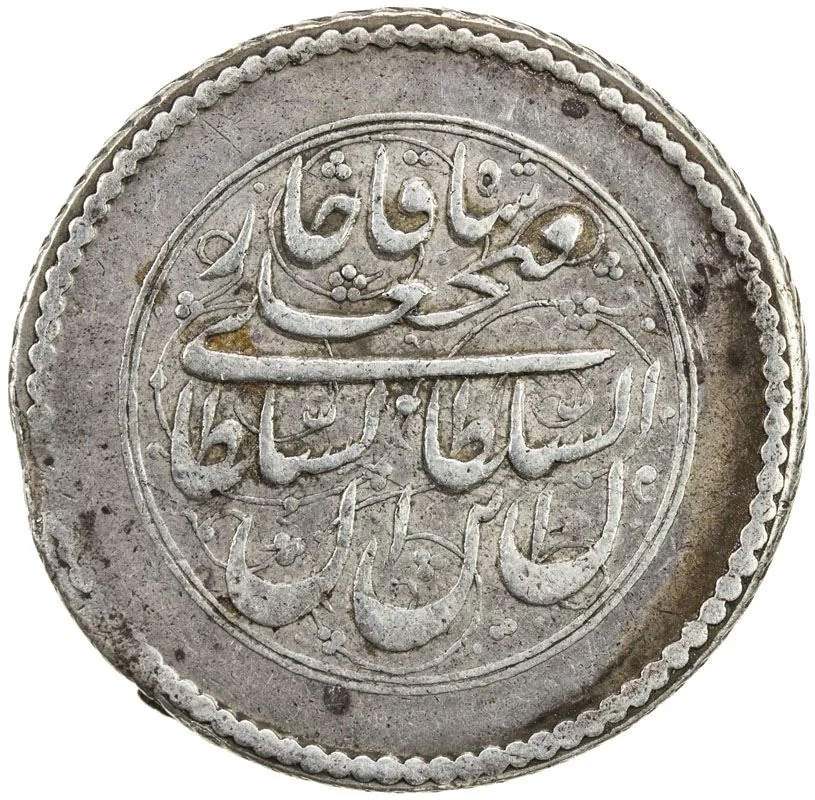
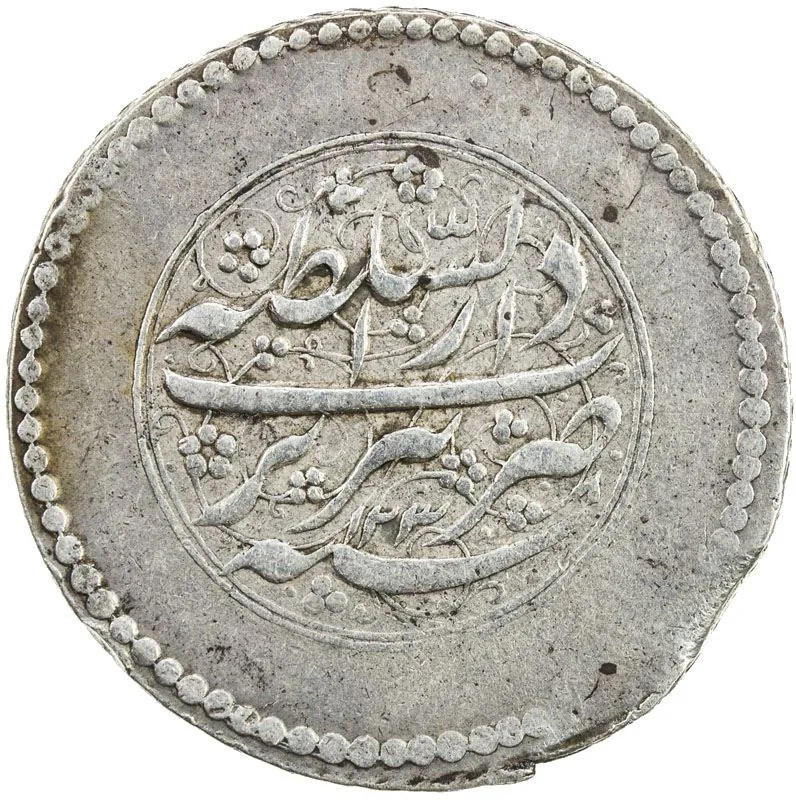
1 rial – Iran
Add to wishlist
Iran
Context
Material
Weight: 9.15 g
Silver Weight:: 9.15 g
Shape: Irregular round
Composition: Silver
Magnetic: No
Technique: Hammered
References
Numista: #465716
Value
Bullion value: $22.81
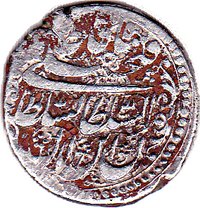
Obverse
Inscription:
السّلطان ابن السّلطان
فتحعلی شاه قاجار
فتحعلی شاه قاجار
Translation:
The Sultan, son of the Sultan, Fath-Ali Shah Qajar
Language: Arabic
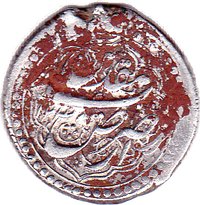
Reverse
Edge
Plain or Reeded
Mints
| Name | Mark |
|---|---|
| Tebriz | تبریز |
Mintings
| Year | Mint Mark | Mintage | Quality | Collection |
|---|---|---|---|---|
| 1823 | — | — |
Historical background
In 1823, Iran’s currency system was a complex and fragmented reflection of its decentralized Qajar state, which was under the rule of Fath-Ali Shah. The monetary landscape was not unified, consisting primarily of silver tomans and qirans, alongside a plethora of copper shahis and dinars for local, small-scale trade. Crucially, there was no standardized national coinage; mints operated semi-autonomously in major provincial cities like Tabriz, Isfahan, and Mashhad, producing coins of varying weight, purity, and design. This lack of uniformity created significant challenges for inter-regional trade and state finance, as exchange rates between coins from different mints constantly fluctuated.
The period was marked by severe currency debasement and chronic fiscal instability. To finance extravagant court expenditures, costly military campaigns, and growing diplomatic engagements with European powers, the Qajar treasury frequently resorted to reducing the silver content of newly minted coins while maintaining their face value. This practice, combined with the inflow of lower-quality European coins (particularly Russian rubles) in northern trade, led to inflation, a loss of public confidence in the currency, and the hoarding of older, purer coins. The state’s financial weakness was exacerbated by a predominantly agrarian economy with limited monetization and a tax farming system that was inefficient and corrupt.
Internationally, this monetary disorder hampered Iran’s economic integration. While foreign trade, especially with the British East India Company and Russia, was increasing, the chaotic currency situation complicated transactions. Merchants and diplomats had to navigate a bewildering array of coins and rely on money changers (sarrafs), who held significant power. The instability of 1823 was a persistent symptom of deeper structural issues within the Qajar administration, setting the stage for later, unsuccessful attempts at monetary reform in the 19th century as Iran faced increasing imperial pressures.
The period was marked by severe currency debasement and chronic fiscal instability. To finance extravagant court expenditures, costly military campaigns, and growing diplomatic engagements with European powers, the Qajar treasury frequently resorted to reducing the silver content of newly minted coins while maintaining their face value. This practice, combined with the inflow of lower-quality European coins (particularly Russian rubles) in northern trade, led to inflation, a loss of public confidence in the currency, and the hoarding of older, purer coins. The state’s financial weakness was exacerbated by a predominantly agrarian economy with limited monetization and a tax farming system that was inefficient and corrupt.
Internationally, this monetary disorder hampered Iran’s economic integration. While foreign trade, especially with the British East India Company and Russia, was increasing, the chaotic currency situation complicated transactions. Merchants and diplomats had to navigate a bewildering array of coins and rely on money changers (sarrafs), who held significant power. The instability of 1823 was a persistent symptom of deeper structural issues within the Qajar administration, setting the stage for later, unsuccessful attempts at monetary reform in the 19th century as Iran faced increasing imperial pressures.
✨ Legendary