

1 rial – Iran
Add to wishlist
Iran
Context
Year: 1824
Islamic (Hijri) Year:: 1238
Issuer: Iran
Ruler: Fath-Ali Shah
Currency:
(1798—1825)
Demonetized: Yes
Material
References
Numista: #147771
Value
Bullion value: $22.96
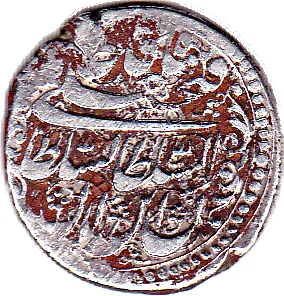
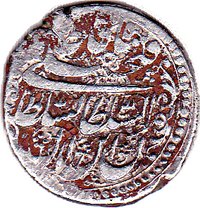
Obverse
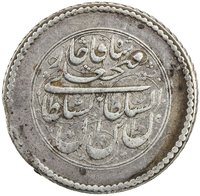
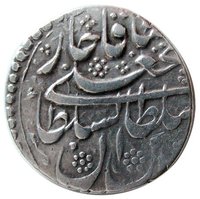
Inscription:
السّلطان ابن السّلطان
فتحعلی شاه قاجار
فتحعلی شاه قاجار
Translation:
The Sultan, son of the Sultan, Fath-Ali Shah Qajar
Language: Arabic
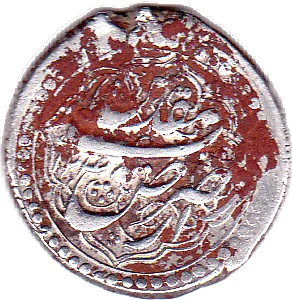
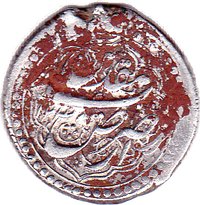
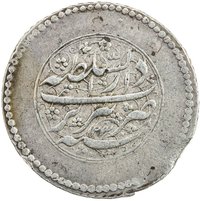
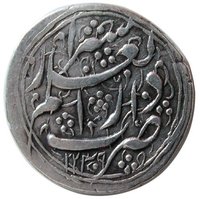
Reverse
Edge
Plain
Mintings
| Year | Mint Mark | Mintage | Quality | Collection |
|---|---|---|---|---|
| 1824 | — | — |
Historical background
In 1824, Iran’s currency system was a complex and fragmented reflection of its political and economic state under the Qajar dynasty. The country lacked a unified, modern monetary system, relying instead on a variety of gold, silver, and copper coins minted in different cities. The primary silver unit was the qiran (later the rial), but its weight and purity were not standardized, leading to significant regional variations. Alongside these, foreign currencies like the Russian ruble, British pound, and Ottoman lira circulated widely, especially in border regions and trade hubs, further complicating transactions.
This monetary disarray was exacerbated by chronic state bankruptcy and debasement. The Qajar treasury, strained by royal extravagance, military campaigns, and a weak tax base, frequently resorted to reducing the silver content in coins to generate short-term revenue. This practice, known as ta'fīsh, led to severe inflation, a loss of public confidence in the currency, and the hoarding of older, purer coins. Consequently, exchange rates between different coin types and foreign currencies fluctuated wildly, creating a haven for money-changers (ṣarrāfs) who became essential yet powerful intermediaries in the economy.
The situation was fundamentally tied to Iran’s integration into the global economy as a peripheral exporter of raw materials like silk, wool, and cotton. The trade imbalance, particularly with Russia and Britain, drained the country of specie (gold and silver), worsening the currency shortage. There was no central bank, and the monetary policy was virtually non-existent, reacting to fiscal desperation rather than economic strategy. Thus, in 1824, Iran’s currency was not a tool of national economic power but a symptom of administrative weakness and a growing dependence on European commercial and political influence.
This monetary disarray was exacerbated by chronic state bankruptcy and debasement. The Qajar treasury, strained by royal extravagance, military campaigns, and a weak tax base, frequently resorted to reducing the silver content in coins to generate short-term revenue. This practice, known as ta'fīsh, led to severe inflation, a loss of public confidence in the currency, and the hoarding of older, purer coins. Consequently, exchange rates between different coin types and foreign currencies fluctuated wildly, creating a haven for money-changers (ṣarrāfs) who became essential yet powerful intermediaries in the economy.
The situation was fundamentally tied to Iran’s integration into the global economy as a peripheral exporter of raw materials like silk, wool, and cotton. The trade imbalance, particularly with Russia and Britain, drained the country of specie (gold and silver), worsening the currency shortage. There was no central bank, and the monetary policy was virtually non-existent, reacting to fiscal desperation rather than economic strategy. Thus, in 1824, Iran’s currency was not a tool of national economic power but a symptom of administrative weakness and a growing dependence on European commercial and political influence.
✨ Legendary