

5 cents – United States
Add to wishlist
United States
Context
Years: 1942–1945
Issuer: United States
Period:
(since 1776)
Currency:
(since 1785)
Total mintage: 869,923,700
Material
References
KM: #
Numista: #45
Value
Exchange value: 0.05 USD = $0.05
Inflation-adjusted value: 1.09 USD
Obverse
Description:
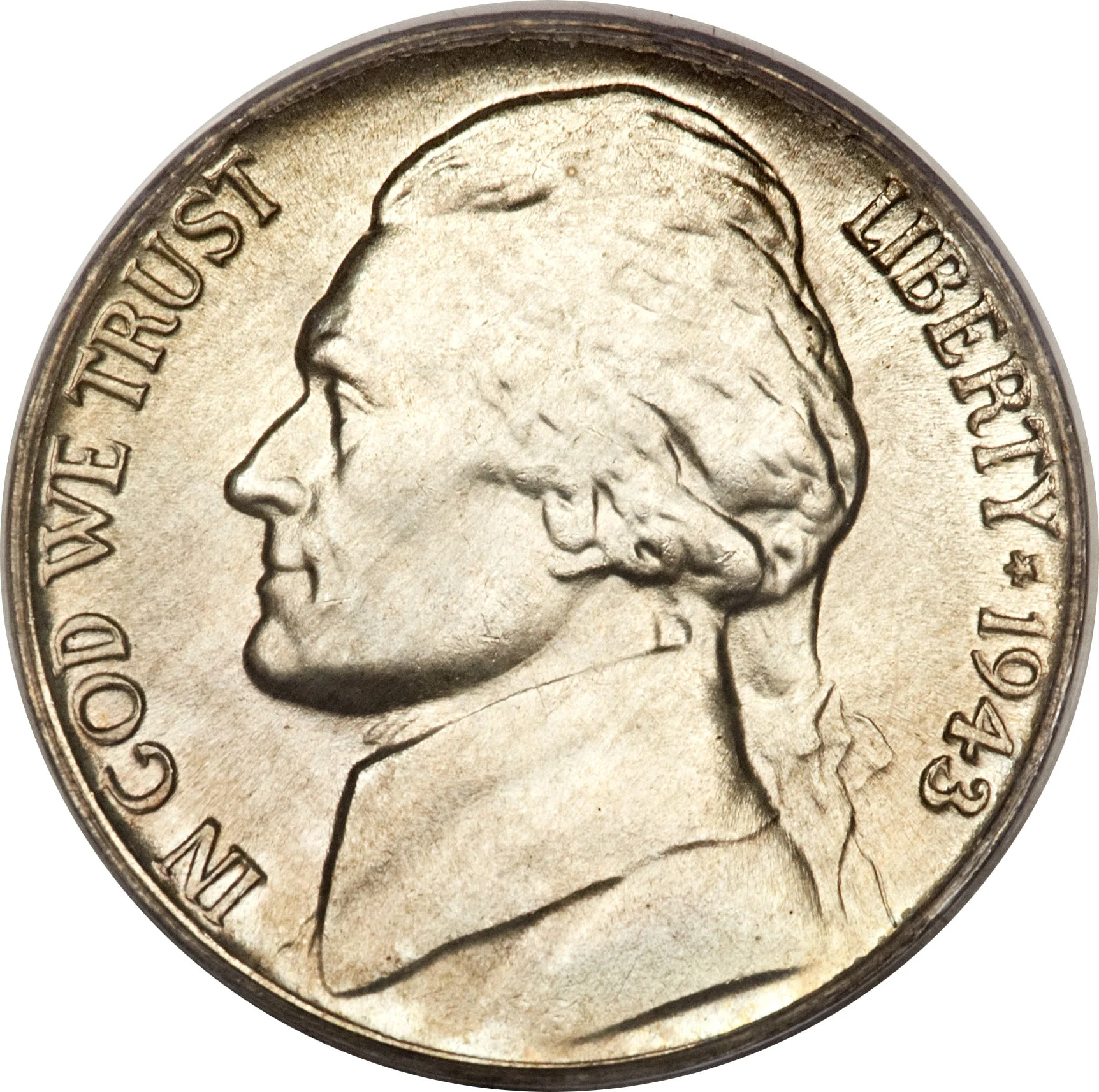
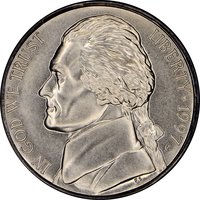
Portrait of Thomas Jefferson, 3rd U.S. President (1801–1809), facing left, encircled by "LIBERTY" and "IN GOD WE TRUST."
Inscription:
IN GOD WE TRUST
LIBERTY * 1943
FS
LIBERTY * 1943
FS
Script: Latin
Engraver: Felix Schlag
Reverse
Description:
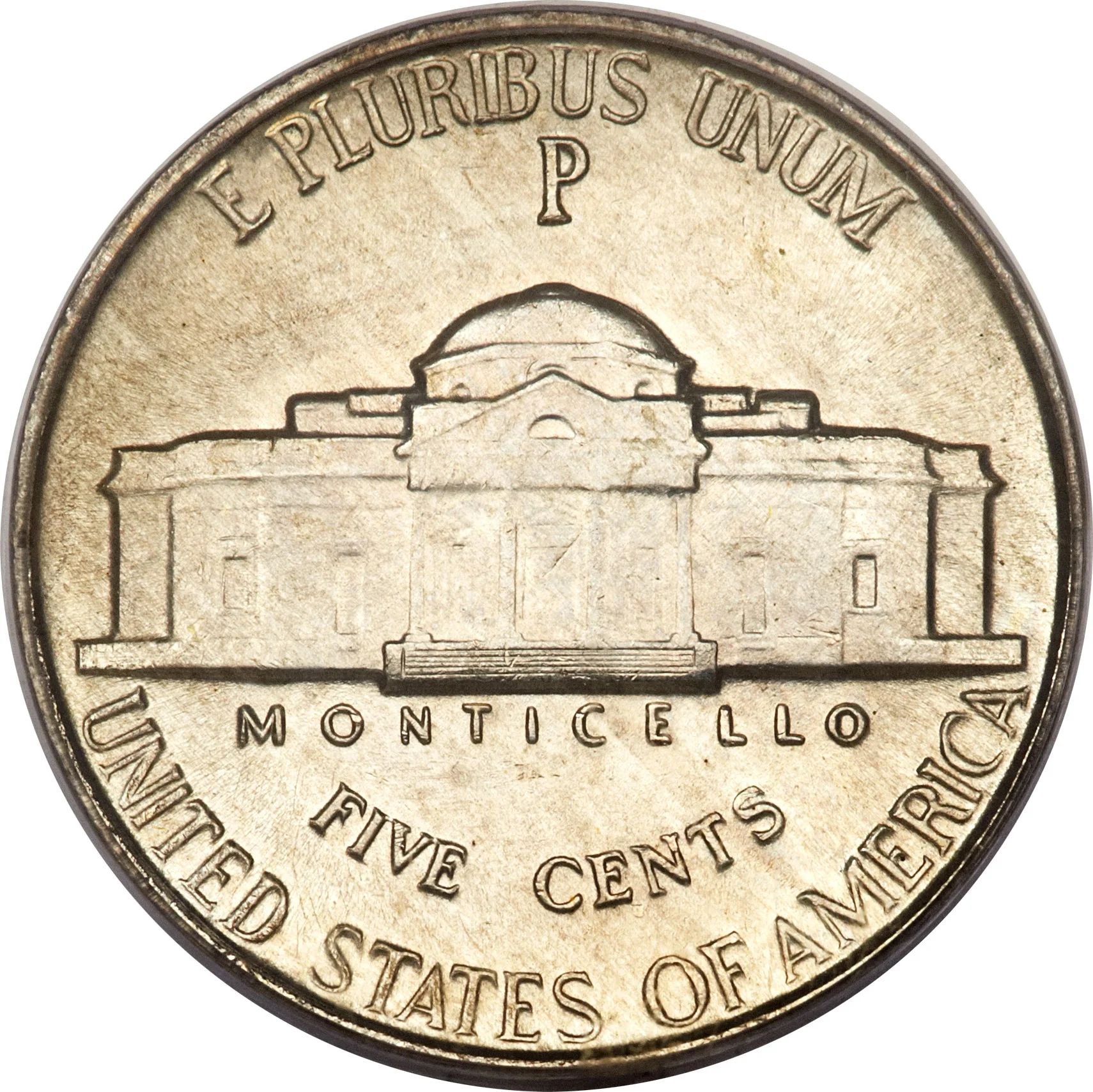
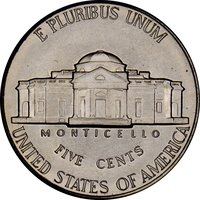
Monticello, with "MONTICELLO" above, surrounded by its face value, "E PLURIBUS UNUM," and "UNITED STATES OF AMERICA."
Inscription:
E PLURIBUS UNUM
P
MONTICELLO
FIVE CENTS
UNITED STATES OF AMERICA
P
MONTICELLO
FIVE CENTS
UNITED STATES OF AMERICA
Translation:
Out of many, one
P
Monticello
Five Cents
United States of America
P
Monticello
Five Cents
United States of America
Script: Latin
Engraver: Felix Schlag
Edge
Plain
Categories
| Building |
| Person> Politician |
Mints
| Name | Mark |
|---|---|
| United States Mint of Denver | D |
| United States Mint of Philadelphia | P |
| United States Mint of San Francisco | S |
Mintings
Historical background
In 1942, the United States was fully engaged in World War II, and its currency situation was fundamentally shaped by the urgent demands of wartime finance. The primary concern was funding the massive mobilization, which led to unprecedented government spending. To manage the resulting inflationary pressures—as consumer goods became scarce and industrial output shifted to tanks, planes, and ships—the federal government implemented comprehensive price controls and rationing through the Office of Price Administration. This period also saw the launch of the famous War Bond campaigns, which aimed to absorb excess consumer spending power and direct it toward government war loans, helping to stabilize the economy and control inflation.
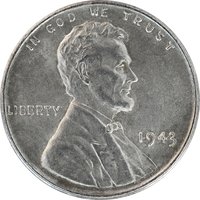
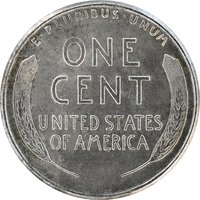
A significant and lasting numismatic change occurred that year with the issuance of the first United States coin to feature the portrait of a real historical figure: the 1942 cent bearing the image of President Abraham Lincoln. More critically, due to the strategic military need for copper, the composition of the five-cent piece was altered. Starting in mid-1942, Jefferson nickels were minted with a 56% copper, 35% silver, and 9% manganese alloy, replacing the traditional 75% copper and 25% nickel composition. These "wartime nickels" are easily identifiable by their large mint mark above Monticello on the reverse, including the first "P" mint mark for Philadelphia.
Furthermore, the global conflict directly impacted currency in the Pacific theater. Following the Japanese invasion and occupation of the Philippines, the U.S. government took extraordinary measures to protect its territorial currency. It authorized the printing of special emergency banknotes, known as "Emergency Currency" or "Hawaii Notes," for use in Hawaii. These bills, stamped with brown seals and overprinted with the word "HAWAII," were designed to be easily identifiable and declared worthless if the islands were captured, thus protecting the U.S. financial system from a large-scale enemy seizure of valid currency. This period, therefore, represents a unique chapter where U.S. coinage and paper money were physically transformed by the necessities of total war.
A significant and lasting numismatic change occurred that year with the issuance of the first United States coin to feature the portrait of a real historical figure: the 1942 cent bearing the image of President Abraham Lincoln. More critically, due to the strategic military need for copper, the composition of the five-cent piece was altered. Starting in mid-1942, Jefferson nickels were minted with a 56% copper, 35% silver, and 9% manganese alloy, replacing the traditional 75% copper and 25% nickel composition. These "wartime nickels" are easily identifiable by their large mint mark above Monticello on the reverse, including the first "P" mint mark for Philadelphia.
Furthermore, the global conflict directly impacted currency in the Pacific theater. Following the Japanese invasion and occupation of the Philippines, the U.S. government took extraordinary measures to protect its territorial currency. It authorized the printing of special emergency banknotes, known as "Emergency Currency" or "Hawaii Notes," for use in Hawaii. These bills, stamped with brown seals and overprinted with the word "HAWAII," were designed to be easily identifiable and declared worthless if the islands were captured, thus protecting the U.S. financial system from a large-scale enemy seizure of valid currency. This period, therefore, represents a unique chapter where U.S. coinage and paper money were physically transformed by the necessities of total war.
🌱 Very Common