Logo Title
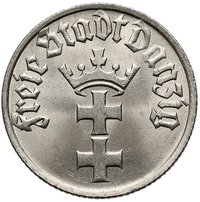
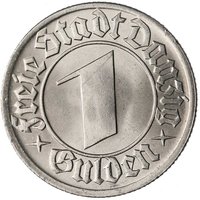
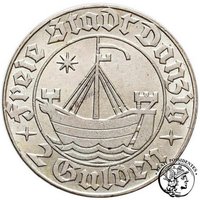
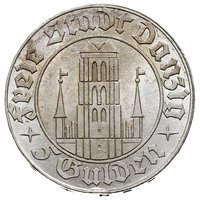
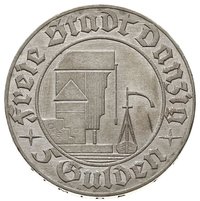
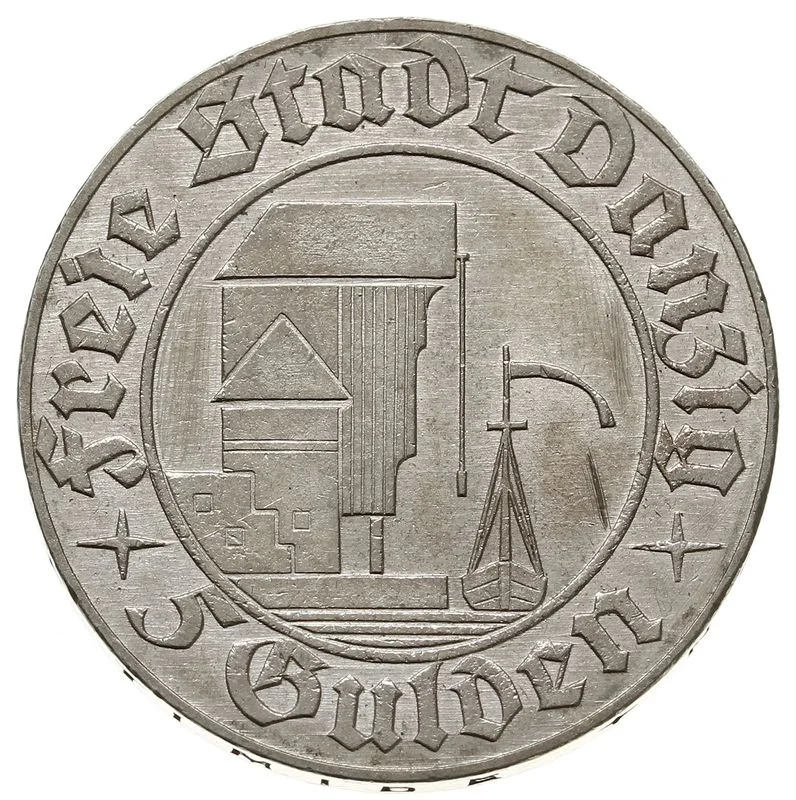
obverse
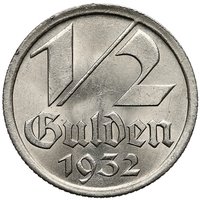
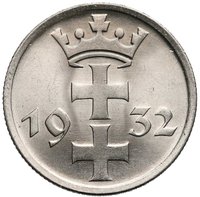
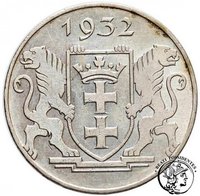
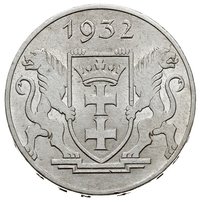
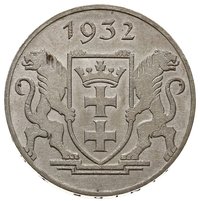
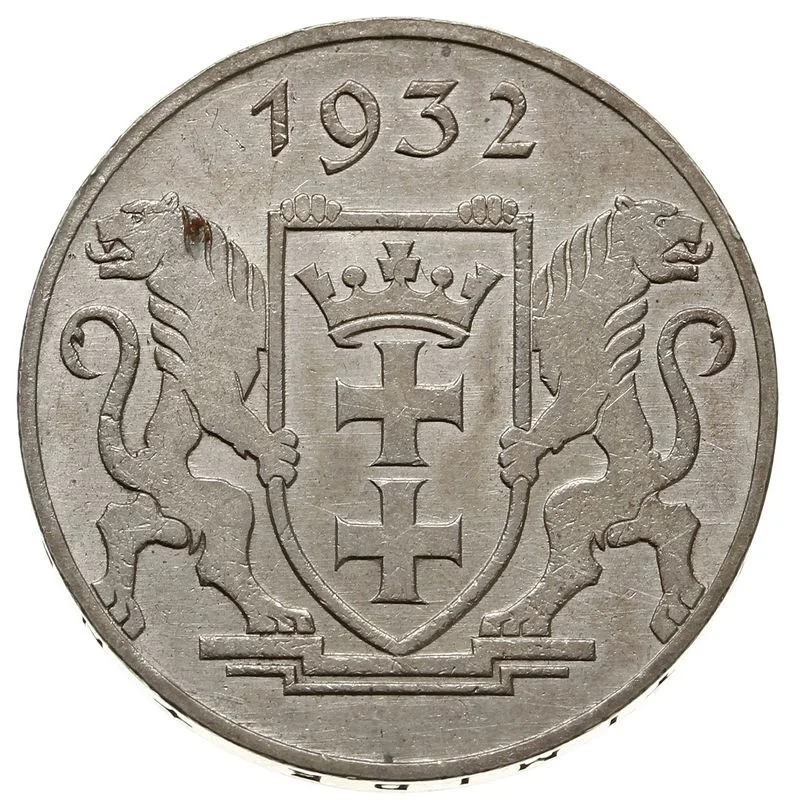
reverse
Warszawskie Centrum Numizmatyczne s.j.
Context
Year: 1932
Country: Poland Country flag
Period:
(1920—1939)
Currency:
(1923—1939)
Demonetized: Yes
Total mintage: 430,000
Material
Diameter: 30 mm
Weight: 15 g
Silver weight: 7.50 g
Shape: Round
Composition: 50% Silver
Magnetic: No
Technique: Milled
References
KM: #Click to copy to clipboard157
Numista: #44391
Value
Bullion value: $21.22

Obverse

Description:
Grain elevator and ship in harbor, encircled, denomination below.
Inscription:
Freie Stadt Danzig

+ 5 Gulden +
Translation:
Free City of Danzig

+ 5 Gulden +
Language: German

Reverse

Description:
Arms with supporters, dated above.
Inscription:
1932

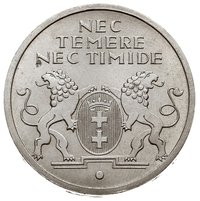
Edge

Smooth with inscription
Legend:
NEC + TEMERE + NEC + TIMIDE +
Translation:
Neither rashly nor timidly
Language: Latin

Mintings

YearMint MarkMintageQualityCollection
1932430,000

Historical background

In 1932, the Free City of Danzig, a semi-autonomous city-state under League of Nations protection, faced severe economic turmoil exacerbated by the global Great Depression. Its unique political status, separated from Germany by the Treaty of Versailles yet overwhelmingly populated by ethnic Germans, created a complex monetary landscape. While politically distinct, Danzig's economy was deeply integrated with Germany's, and since 1923, its official currency had been the Danzig gulden, which was pegged at par to the German Reichsmark. This peg meant Danzig's financial stability was directly hostage to the escalating banking and currency crises unfolding in Weimar Germany.

The situation deteriorated sharply following Germany's own financial collapse. In July 1931, the German government imposed strict capital controls and a de facto banking freeze, which severely disrupted the flow of money and credit into Danzig. As Reichsmarks became scarce and were hoarded, Danzig experienced an acute liquidity crisis. To keep local commerce functioning, the Danzig Senate was forced to authorize the issuance of Notgeld (emergency money) in small denominations. These temporary notes, issued by the Danzig Central Bank and backed by city assets, became a vital stopgap to prevent a complete economic standstill, circulating alongside the official but scarce gulden.

By the end of 1932, the currency situation reflected Danzig's precarious dependency. The gulden's peg remained formally intact, but the reliance on emergency scrip highlighted the fragility of its financial autonomy. The crisis deepened political tensions within the city, fueling support for the local Nazi Party, which advocated for full reunification with Germany as a solution to economic hardship. Thus, the monetary instability of 1932 was not merely an economic issue but a key factor eroding the viability of Danzig's independent status, setting the stage for the geopolitical crises of the late 1930s.

Series: 1932 Free city of Danzig circulation coins

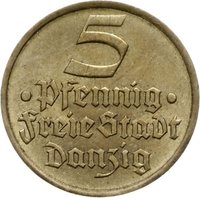
5 Pfennigs obverse
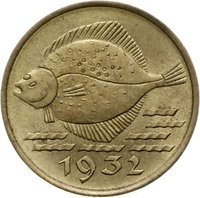
5 Pfennigs reverse
5 Pfennigs
1932
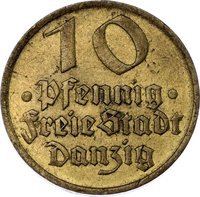
10 Pfennigs obverse
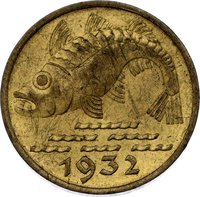
10 Pfennigs reverse
10 Pfennigs
1932
½ Gulden obverse
½ Gulden reverse
½ Gulden
1932
1 Gulden obverse
1 Gulden reverse
1 Gulden
1932
2 Gulden obverse
2 Gulden reverse
2 Gulden
1932
5 Gulden obverse
5 Gulden reverse
5 Gulden
1932
5 Gulden obverse
5 Gulden reverse
5 Gulden
1932
💎 Extremely Rare