

Obverse
Description:
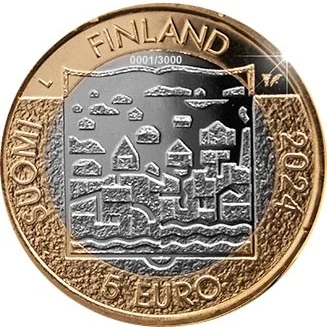
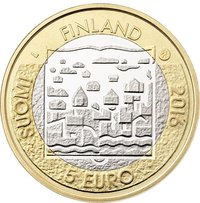
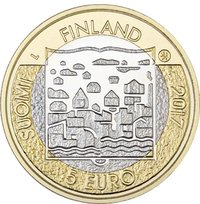
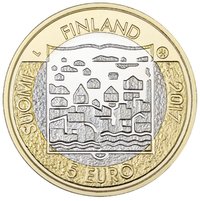
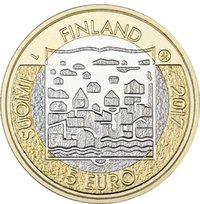
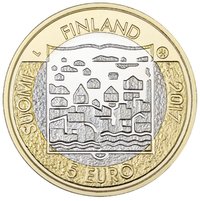
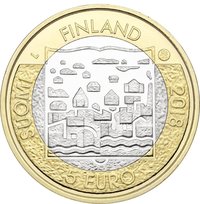
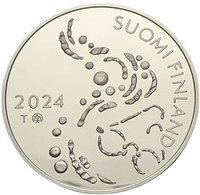
A Finnish field with an open book showing a city, symbolizing the public mandate for presidential duties.
Inscription:
SUOMI
FINLAND
2024
5 EURO
L
1140 / 3000
FINLAND
2024
5 EURO
L
1140 / 3000
Script: Latin
Designer: Tero Lounas
Reverse
Description:
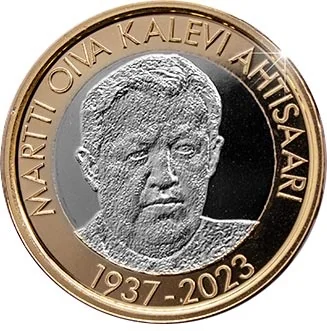
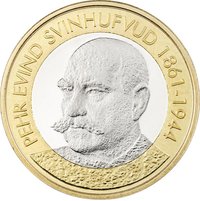
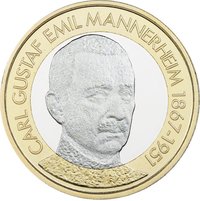
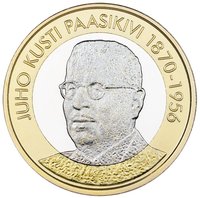
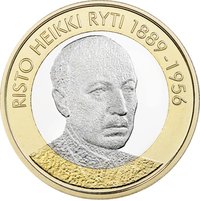
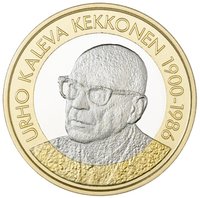
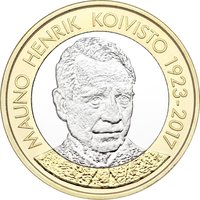
A portrait of presidential-age Martti Ahtisaari.
Inscription:
MARTTI OIVA KALEVI AHTISAARI
1937 - 2023
1937 - 2023
Script: Latin
Designer: Tero Lounas
Edge
Categories
| Person> Politician |
Mints
| Name | Mark |
|---|---|
| Royal Dutch Mint | — |
Mintings
| Year | Mint Mark | Mintage | Quality | Collection |
|---|---|---|---|---|
| 2024 | — | 2,000 | ||
| 2024 | — | 3,000 | BU |
Historical background
Finland's currency situation in 2024 is firmly anchored within the Eurozone, with the euro (EUR) serving as the sole legal tender. As a member of the European Union and a participant in the Economic and Monetary Union since 1999, Finland has no national currency and its monetary policy is set by the European Central Bank (ECB). The primary domestic focus regarding currency is therefore on managing the broader economic impacts of ECB decisions, particularly the high interest rates maintained throughout 2023-2024 to combat euro area inflation. These rates have successfully cooled price growth but also increased borrowing costs, affecting mortgages and business investment within Finland.
The key economic discussions in Finland revolve around the euro's exchange rate and its effects on the national economy. A relatively weaker euro has provided some support to Finland's vital export sectors, such as forestry, metals, and technology, by making their goods more competitive abroad. However, this benefit is tempered by the increased cost of imported energy and raw materials, which remains a sensitive issue following the energy market disruptions of recent years. Domestically, there is little to no political movement towards leaving the euro, as stability and integration with the European single market are widely seen as paramount.
Looking ahead, Finland's currency landscape in 2024 is defined by anticipation of the ECB's pivot towards lowering interest rates, expected later in the year. This shift is awaited to alleviate pressure on household debt and stimulate economic activity, as Finland's economy has been stagnant or in mild recession. The overall currency situation is stable but passive, with Finland's financial authorities primarily focused on fiscal policy, competitiveness reforms, and navigating the broader European economic climate rather than on any independent monetary or currency tools.
The key economic discussions in Finland revolve around the euro's exchange rate and its effects on the national economy. A relatively weaker euro has provided some support to Finland's vital export sectors, such as forestry, metals, and technology, by making their goods more competitive abroad. However, this benefit is tempered by the increased cost of imported energy and raw materials, which remains a sensitive issue following the energy market disruptions of recent years. Domestically, there is little to no political movement towards leaving the euro, as stability and integration with the European single market are widely seen as paramount.
Looking ahead, Finland's currency landscape in 2024 is defined by anticipation of the ECB's pivot towards lowering interest rates, expected later in the year. This shift is awaited to alleviate pressure on household debt and stimulate economic activity, as Finland's economy has been stagnant or in mild recession. The overall currency situation is stable but passive, with Finland's financial authorities primarily focused on fiscal policy, competitiveness reforms, and navigating the broader European economic climate rather than on any independent monetary or currency tools.
Series: Presidents of Finland
💎 Extremely Rare