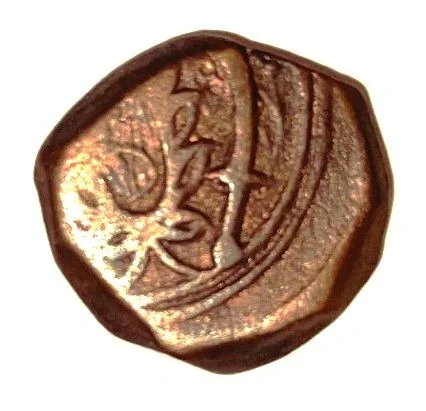
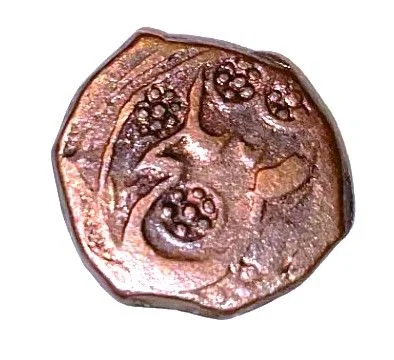
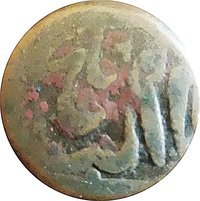
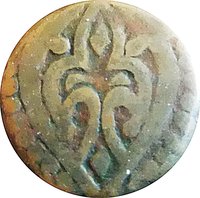
In 1813, the city of Balkh, a historic urban center in northern Afghanistan, operated within a complex and fragmented monetary landscape characteristic of a declining regional power. The city was nominally under the control of the Durrani Empire, but by this period, central authority from Kabul had significantly weakened. Local Uzbek
Mirs and other tribal leaders held de facto power, leading to a lack of standardized fiscal policy. Consequently, the currency in circulation was a heterogeneous mix, including older Durrani and Persian Safavid silver coins, various Central Asian
tanga and
tilla, and a substantial inflow of British Indian rupees from trade routes to the south. This created a challenging environment for commerce, requiring constant evaluation of coin weight, purity, and origin.
The primary unit of account was the silver rupee, but its value and physical form were inconsistent. Coins from the mints of Bukhara, Kabul, and Herat all circulated with varying acceptance, while older, clipped, or debased coins from previous centuries still changed hands. The monetary system was essentially commodity-based, with merchants and money changers (
sarraf) playing a crucial role in assessing intrinsic metal value rather than relying on a trusted face value issued by a single sovereign authority. This informal network of evaluation and exchange was essential for daily transactions, from the bazaars to tax collection.
This monetary fragmentation directly reflected Balkh's geopolitical position in 1813. Situated on the crossroads between Persia, Central Asia, and India, it was a city caught between empires—with the Durrani Empire receding, the Khanate of Bukhara exerting influence, and British Indian economic power growing. The chaotic currency situation mirrored the city's contested status, lacking a unifying political force to impose monetary order. It was a system on the brink, anticipating the more centralized reforms that would later come with the consolidation of the Afghan Emirate under Dost Mohammad Khan in the decades that followed.