Logo Title
Coinwalla CC BY-SA
Afghanistan
Context
Year: 1806
Islamic (Hijri) Year: 1221
Country: Afghanistan Country flag
Issuer: City of Balkh
Currency:
(1747—1891)
Demonetized: Yes
Material
Diameter: 20.5 mm
Weight: 8.54 g
Composition: Copper
Magnetic: No
Technique: Hammered
Alignment: Medal alignment
Obverse
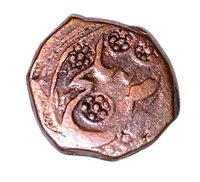
OBVERSE ↑
flip
Reverse
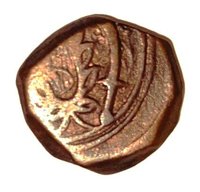
REVERSE ↑
References
KM: #Click to copy to clipboard31
Numista: #534835

Obverse

Description:
Mint, value, and date inscription.
Inscription:
۱٢٢١

بلخ

فالس

Reverse

Description:
Flower bud

Edge

Rough
Mints

NameMark
Balkh

Mintings

YearMint MarkMintageQualityCollection
1806

Historical background

In 1806, the city of Balkh, a historic trade hub in northern Afghanistan, operated within a complex and fragmented monetary landscape characteristic of the post-Durrani Empire period. Following the death of Ahmad Shah Durrani in 1772, centralized control had eroded, leaving Balkh under the contested influence of various Afghan princes and local Uzbek chieftains. This political fragmentation was directly reflected in its currency, where no single authority issued a universally accepted coinage. Instead, the city's bazaars saw a simultaneous circulation of older, worn Durrani silver rupees, coins minted by rival claimants in Kabul, Bukhara, and Herat, and a multitude of regional and foreign currencies brought by caravan trade.

The primary medium of exchange was the silver rupee, but its value and purity were highly inconsistent, leading to constant evaluation and haggling by money-changers (sarrafs). A merchant might encounter Mughal-era coins from India, Persian krans, Bukharan tenga, and even Russian rubles or Ottoman coins alongside the local issues. This multiplicity created a thriving but precarious financial environment where exchange rates fluctuated based on political news, the arrival of trade caravans, and the intrinsic silver content of each coin, which was often clipped or debased.

This monetary disorder acted as both a symptom and a cause of the region's instability. It hampered large-scale commerce, increased transaction costs, and made tax collection inefficient for any local ruler. The currency situation in 1806 Balkh was, therefore, not one of system but of ad-hoc adaptation—a bazaar-based ecosystem of metal weighed as much as mint, where trust was localized and liquidity was tied to the unpredictable rhythms of Central Asian geopolitics and the Silk Road's fading pulse.
Legendary