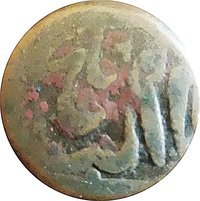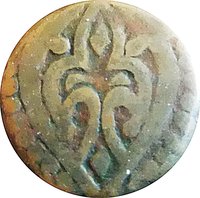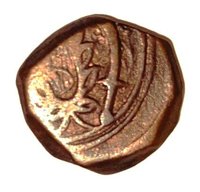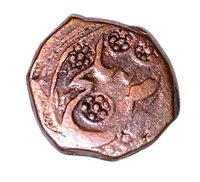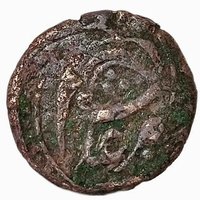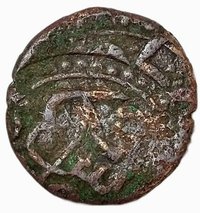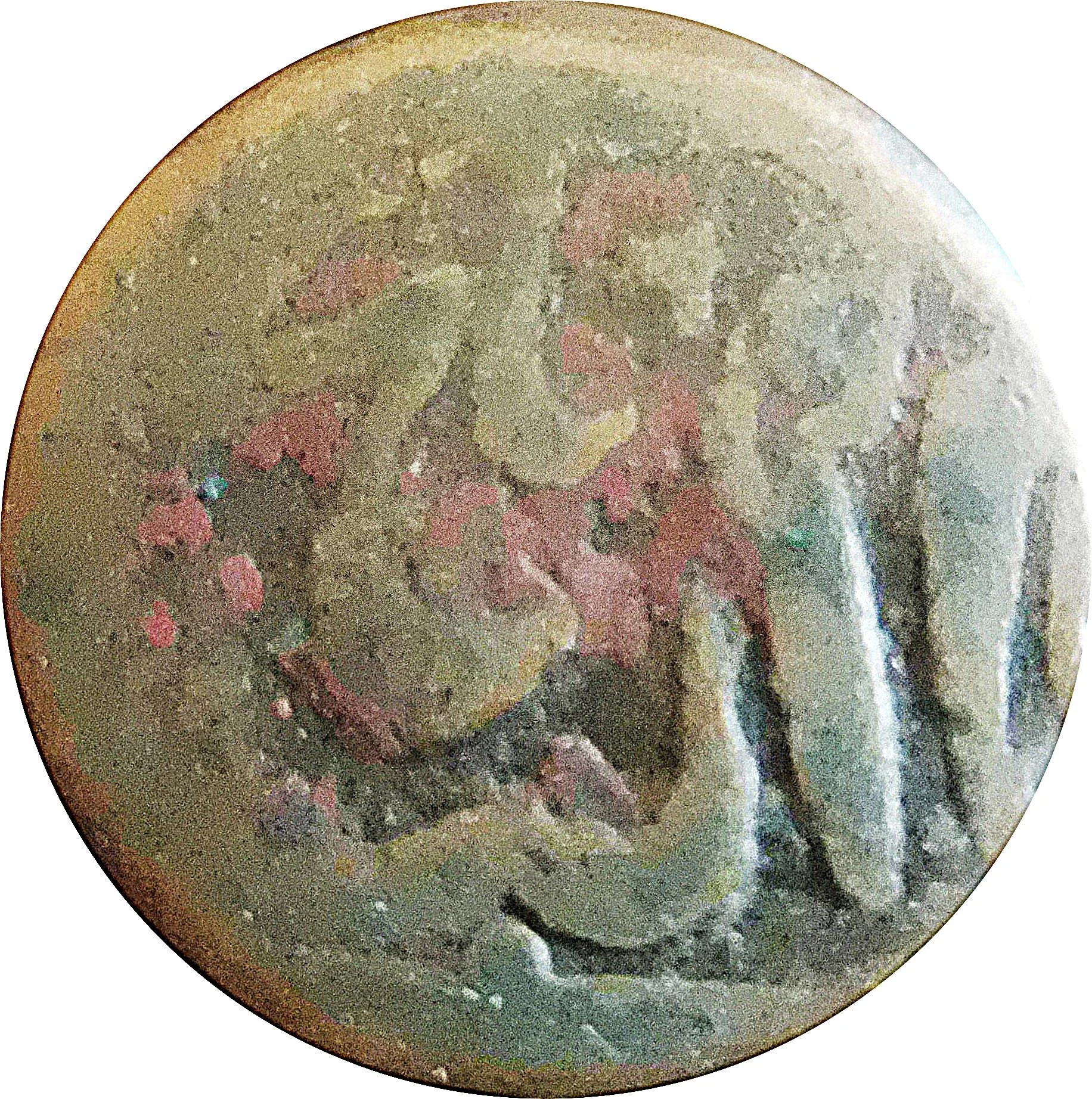
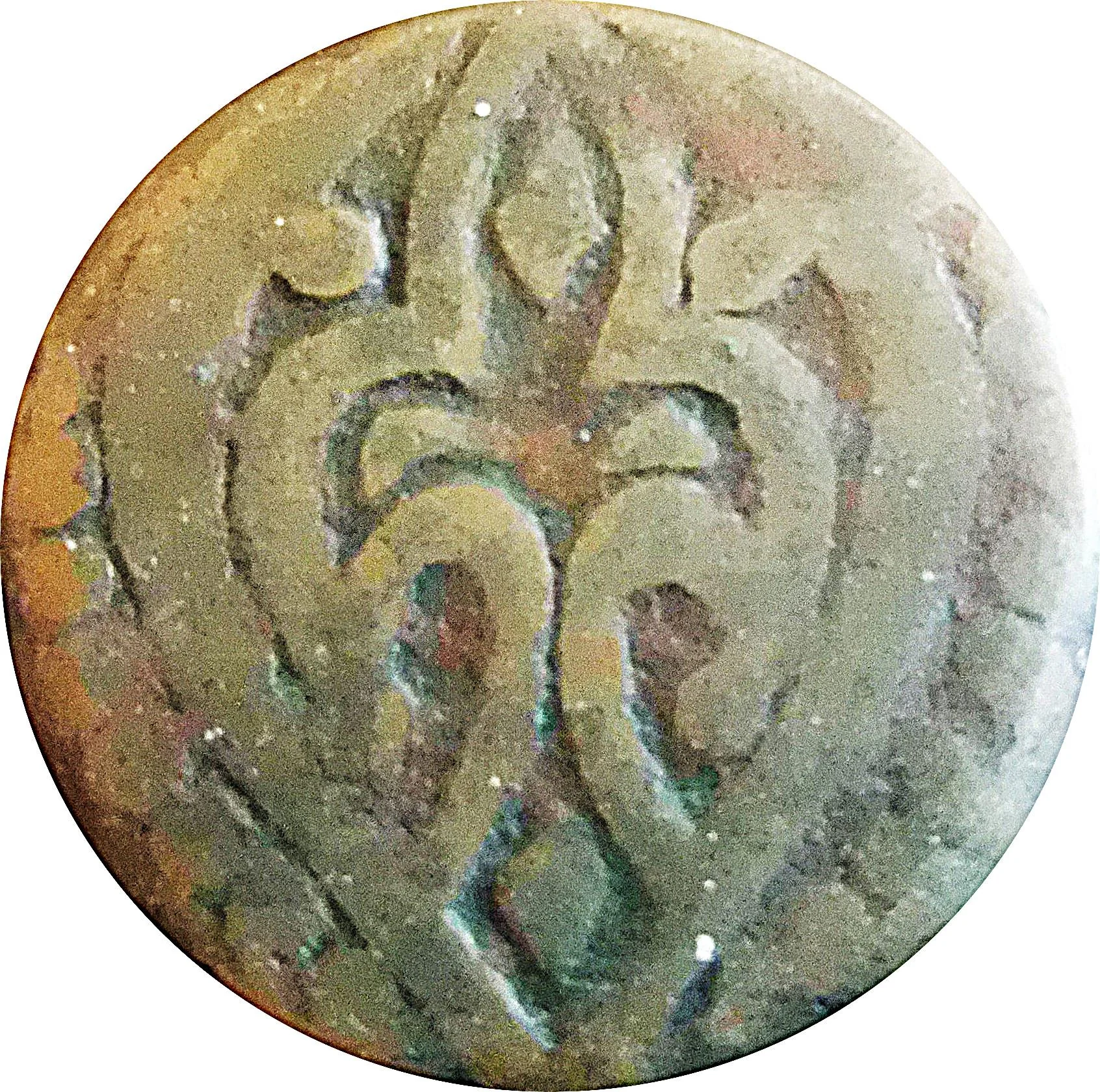
In 1858, the city of Balkh, a historic trading hub in northern Afghanistan, operated within a complex and fragmented monetary environment characteristic of the region's political fragmentation. The Afghan Emirate, under Dost Mohammad Khan, was in the process of reconsolidating power after the Second Anglo-Afghan War, but its control over currency was inconsistent. The primary circulating coin was the Kabuli rupee, minted in the capital, but its acceptance and value in Balkh competed with a plethora of older and foreign currencies. These included residual Persian
krans and
tomans from the Qajar influence, Bukharan
tengas from the north, and even older Afghan coins from previous rulers, creating a chaotic exchange landscape.
This monetary plurality was a direct reflection of Balkh's position on the Silk Road. As a major commercial crossroads between Central Asia, Persia, and the Indian subcontinent, the city's bazaars naturally hosted currencies from neighboring empires and khanates. Furthermore, the British Indian rupee, backed by the economic might of the British Empire, was increasingly entering circulation through trade routes from the southeast, adding another layer of complexity. Money changers (
sarraf) were therefore essential figures in the economy, their tables laden with diverse coins, each valued by weight, metal purity (primarily silver), and perceived reliability rather than a unified face value.
The situation was exacerbated by a chronic shortage of standardized small change, leading to the common practice of cutting silver coins into halves or quarters (
paisa) for minor transactions. Counterfeiting was also a persistent problem, undermining trust. For the local population and merchants, this system was inefficient and risky, requiring constant vigilance. Ultimately, the currency mosaic in Balkh in 1858 symbolized a city and a region in transition—caught between its medieval past as an international trade center and the emerging pressure for the monetary unification that would accompany stronger centralized state control in the coming decades.