

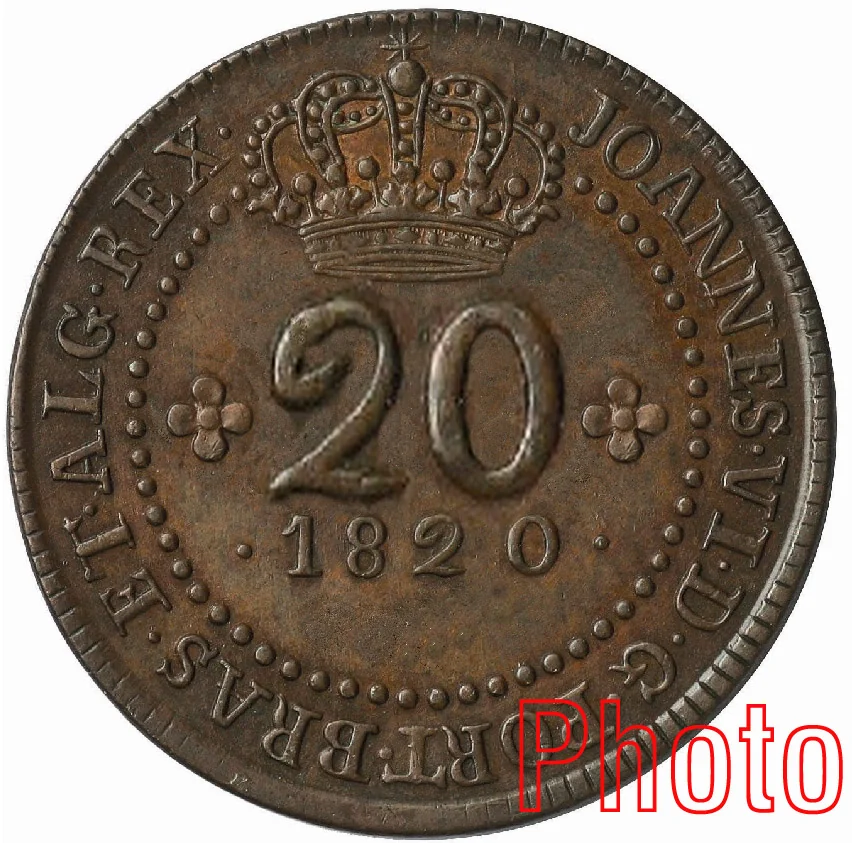
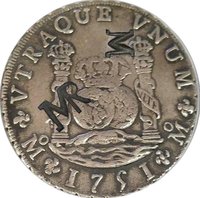
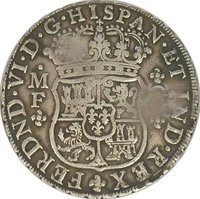
20 réis – Mozambique
Add to wishlist
Mozambique
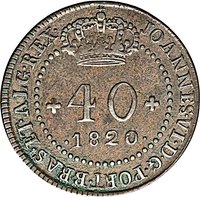
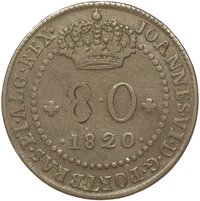
Obverse
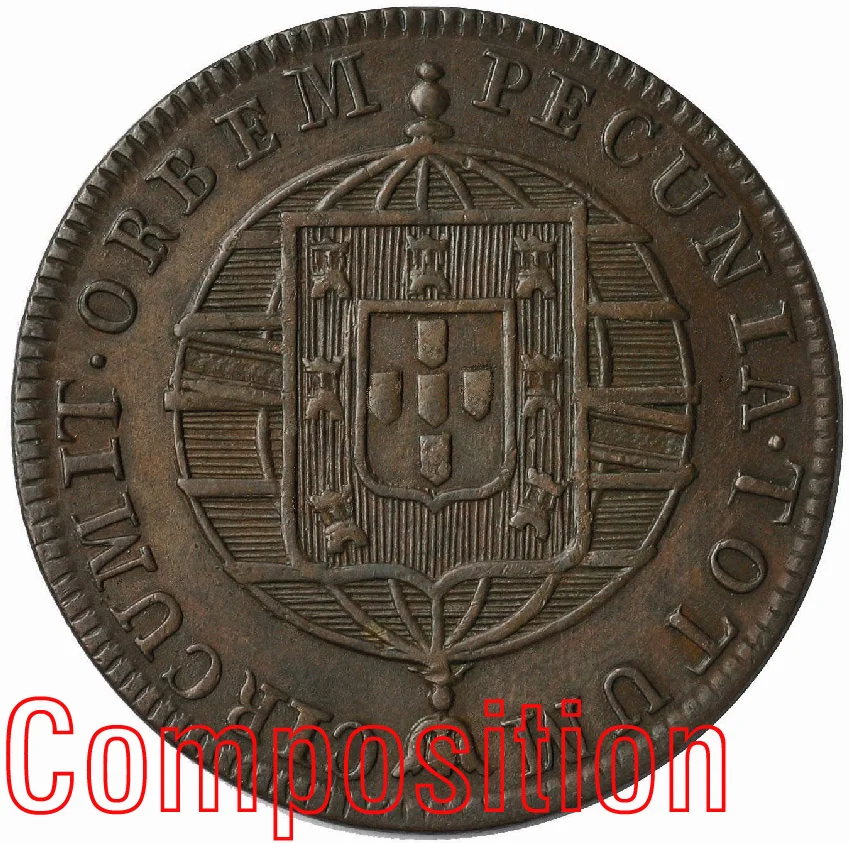
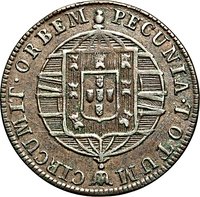
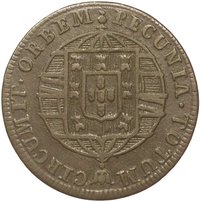
Reverse
Edge
Plain
Mintings
| Year | Mint Mark | Mintage | Quality | Collection |
|---|---|---|---|---|
| 1820 | — | — |
Historical background
In 1820, Mozambique was not a unified political entity with a single currency. The region was under the nominal control of the Portuguese Empire, which administered coastal trading posts like Ilha de Moçambique, Sofala, and Quelimane. However, Portuguese authority was largely confined to these settlements, with vast inland areas controlled by independent African kingdoms and chiefdoms, such as the Gaza Empire and the Yao sultanates. Consequently, there was no standardized monetary system across the territory.
The currency situation was characterized by parallel systems of exchange. Within Portuguese spheres, a limited supply of official Portuguese currency, including réis coins, circulated for administrative and mercantile transactions. However, the dominant and far more widespread medium of exchange was trade goods, particularly cloth (like panos) and beads, which were produced locally or imported from India. Most significantly, ivory and slaves were the primary "currency" for high-value and long-distance trade, used to acquire firearms, textiles, and luxury goods from Portuguese, Arab, Swahili, and later, Indian merchants.
This period marked a transitional phase before the later 19th-century "scramble." The economy was extractive and externally oriented, focused on supplying global demand. While European coins had a niche role, the real drivers of commerce were commodity currencies and barter, reflecting both the limited penetration of colonial administration and the economic power of African political systems that controlled the production and supply of the most valued trade items.
The currency situation was characterized by parallel systems of exchange. Within Portuguese spheres, a limited supply of official Portuguese currency, including réis coins, circulated for administrative and mercantile transactions. However, the dominant and far more widespread medium of exchange was trade goods, particularly cloth (like panos) and beads, which were produced locally or imported from India. Most significantly, ivory and slaves were the primary "currency" for high-value and long-distance trade, used to acquire firearms, textiles, and luxury goods from Portuguese, Arab, Swahili, and later, Indian merchants.
This period marked a transitional phase before the later 19th-century "scramble." The economy was extractive and externally oriented, focused on supplying global demand. While European coins had a niche role, the real drivers of commerce were commodity currencies and barter, reflecting both the limited penetration of colonial administration and the economic power of African political systems that controlled the production and supply of the most valued trade items.
💎 Extremely Rare