

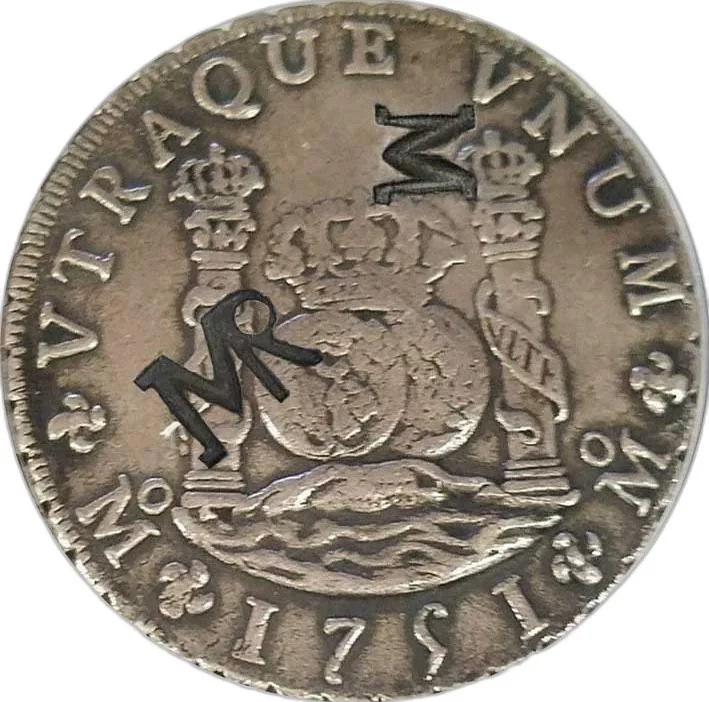
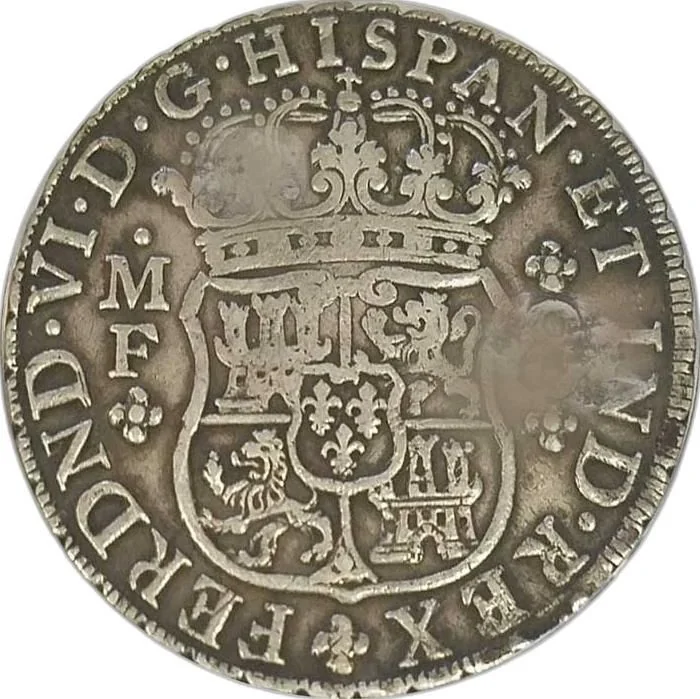
6 cruzados – Mozambique
Add to wishlist
Mozambique
Context
Material
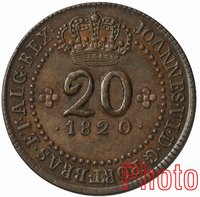
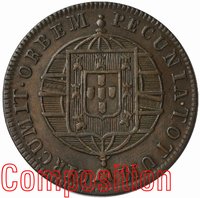
Diameter: 39 mm
Weight: 27 g
Silver Weight:: 24.75 g
Shape: Round
Composition: 91.66% Silver
Magnetic: No
Techniques: Milled, Countermarked
References
KM: #
Numista: #99876
Value
Bullion value: $63.24
Mints
| Name | Mark |
|---|---|
| Mexican Mint | Mo |
Mintings
| Year | Mint Mark | Mintage | Quality | Collection |
|---|---|---|---|---|
| 1765 | — | — |
Historical background
In 1765, Mozambique was not a unified monetary territory but a coastline of competing influences, with its currency situation defined by the intersection of long-distance trade and local exchange. The dominant economic force was the Portuguese prazos (land grants) and trading posts, which were integrated into the vast Indian Ocean trade networks. The official Portuguese currency, the real and its multiples, circulated in ports like Ilha de Moçambique and Sofala, but it was just one part of a complex monetary ecosystem. The most important currency for high-value regional and international trade was the Spanish silver dollar (piece of eight), a near-universal currency that facilitated commerce with Arab, Indian, and other European traders.
Alongside these imported coins, a vibrant system of commodity currencies and barter was essential for daily and local transactions, especially inland. Cloth, particularly Indian textiles, served as a major medium of exchange and unit of account. Most significantly, cauri (cowrie shells) imported from the Maldives remained a foundational and culturally embedded currency for small-scale trade and tax payments within African societies. Furthermore, gold dust from the interior kingdoms and ivory tusks themselves acted as both valuable trade goods and stores of wealth, blurring the line between commodity and currency.
This multi-currency environment reflected Mozambique’s position as a periphery of both the Portuguese empire and the Swahili commercial world. The Portuguese crown struggled to impose monetary control, as the value and acceptance of coins, cloth, and shells fluctuated with trade seasons and political power. Ultimately, the currency situation in 1765 was one of layered systems: European silver for imperial and oceanic trade, Asian cloth for regional markets, and African shells for local economies, all operating simultaneously in a fragile balance dictated by the flow of global commerce into and out of the coast.
Alongside these imported coins, a vibrant system of commodity currencies and barter was essential for daily and local transactions, especially inland. Cloth, particularly Indian textiles, served as a major medium of exchange and unit of account. Most significantly, cauri (cowrie shells) imported from the Maldives remained a foundational and culturally embedded currency for small-scale trade and tax payments within African societies. Furthermore, gold dust from the interior kingdoms and ivory tusks themselves acted as both valuable trade goods and stores of wealth, blurring the line between commodity and currency.
This multi-currency environment reflected Mozambique’s position as a periphery of both the Portuguese empire and the Swahili commercial world. The Portuguese crown struggled to impose monetary control, as the value and acceptance of coins, cloth, and shells fluctuated with trade seasons and political power. Ultimately, the currency situation in 1765 was one of layered systems: European silver for imperial and oceanic trade, Asian cloth for regional markets, and African shells for local economies, all operating simultaneously in a fragile balance dictated by the flow of global commerce into and out of the coast.
✨ Legendary