

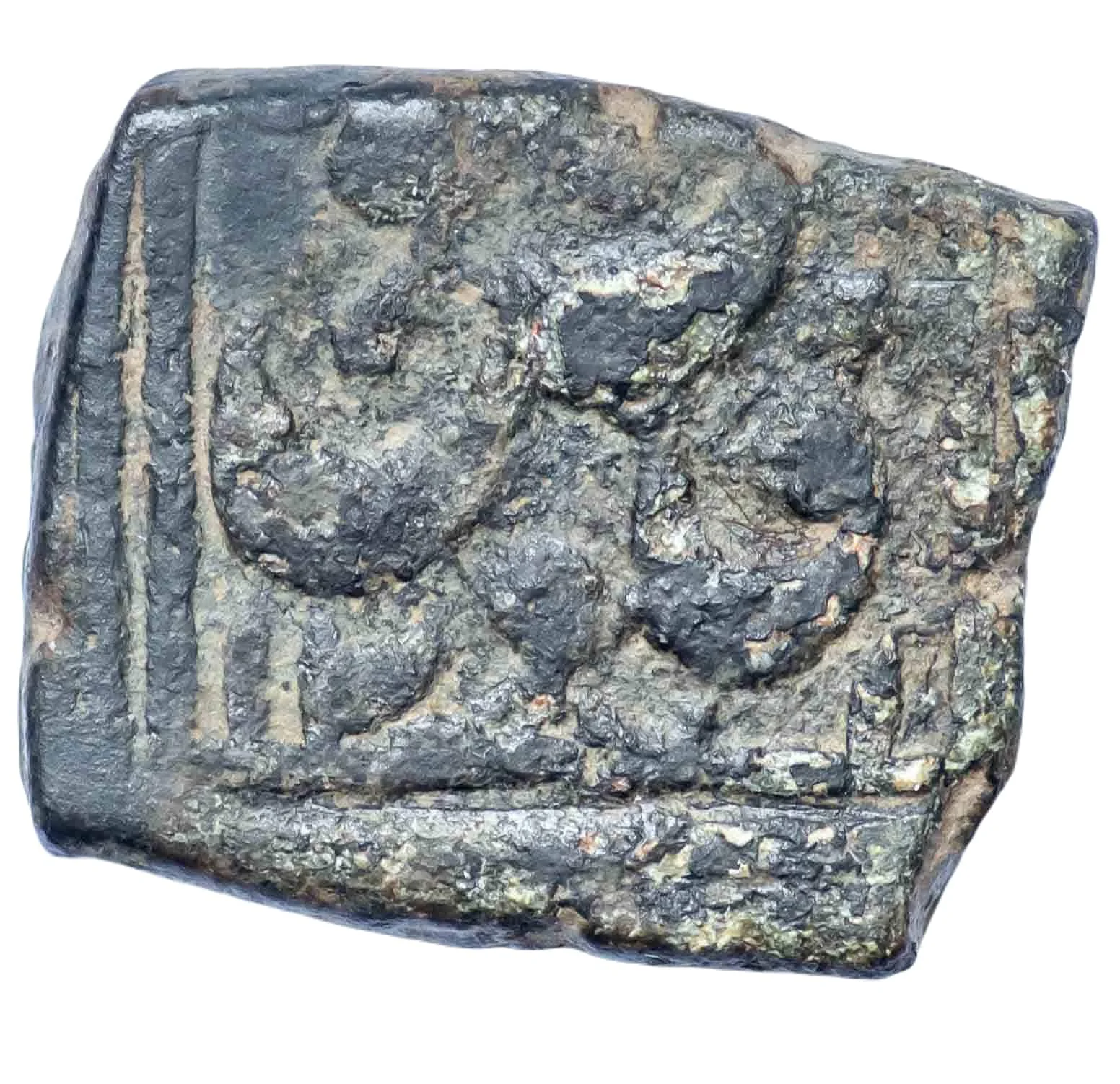
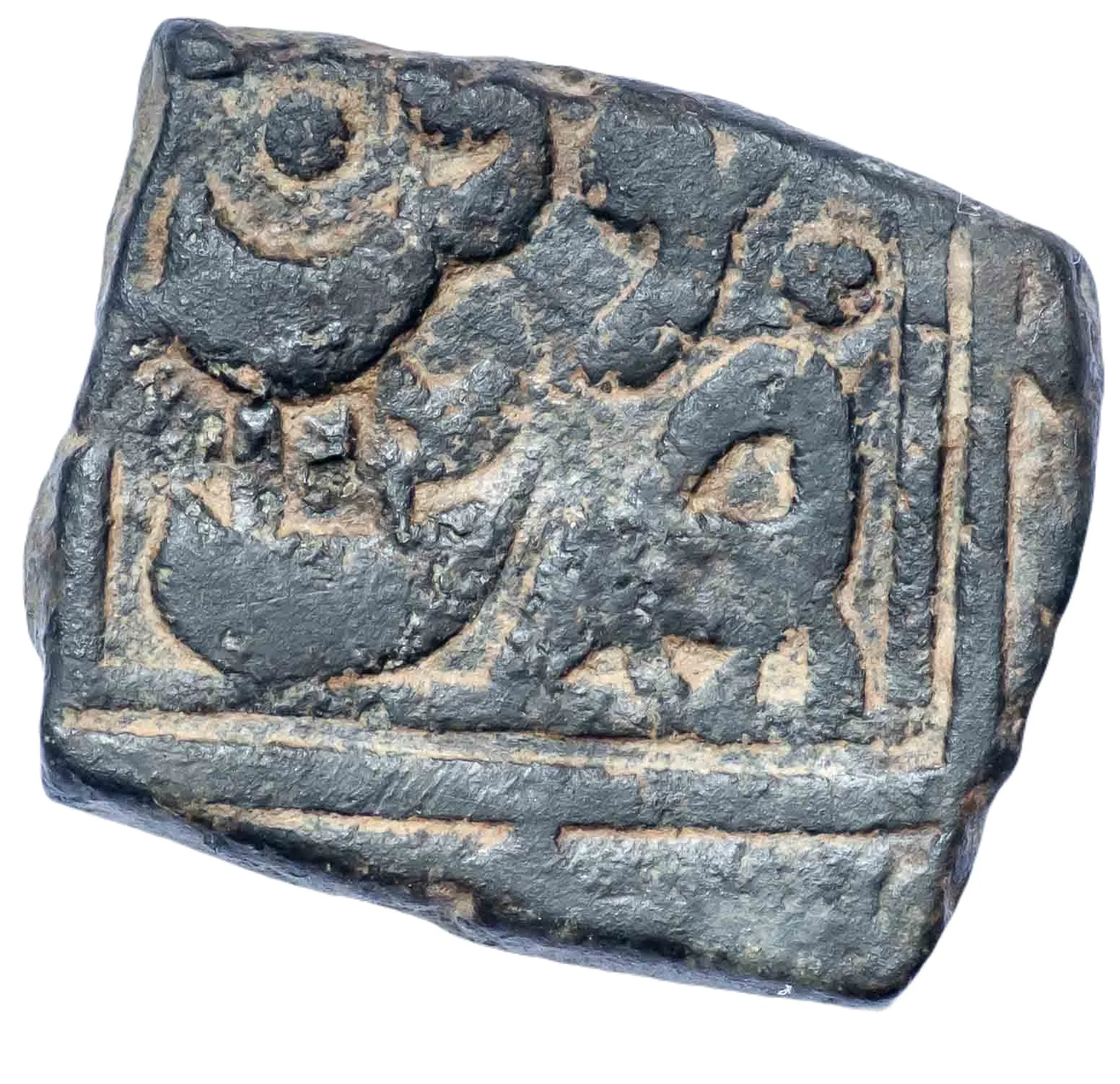
1 pul – Khoqand Khanate
Add to wishlist
Context
Years: 1854–1857
Country: Central Asia
Issuer: Khoqand Khanate
Ruler: Muhammad Khudayar Khan
Currency:
(1796—1876)
Demonetized: Yes
Material
References
Numista: #434047
Obverse
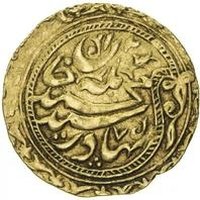
Description:
"Fulus naw" and date in decorative square cartouche.
Script: Arabic
Reverse
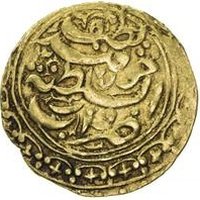
Description:
"darb Khoqand" and date in ornamental square cartouche
Script: Arabic
Edge
Mintings
| Year | Mint Mark | Mintage | Quality | Collection |
|---|---|---|---|---|
| 1854 | — | — | ||
| 1855 | — | — | ||
| 1856 | — | — | ||
| 1857 | — | — |
Historical background
In 1854, the Khoqand Khanate’s currency system was in a state of severe crisis, reflecting the broader political and economic instability of the Central Asian state. For decades, the Khanate had minted its own silver tillas and copper puls, but by the mid-19th century, a chronic shortage of precious metals, particularly silver, led to drastic debasement. The government, under Khudayar Khan, increasingly issued low-quality coinage with high copper content, severely undermining public trust. This was compounded by the circulation of a chaotic mix of older Khoqandi coins, Bukharan and Russian currency, and even melted-down Mexican silver dollars, creating a fragmented and unreliable monetary environment.
The primary driver of this crisis was the Khanate’s relentless military expenditure. Constant warfare—including conflicts with the Emirate of Bukhara, ongoing raids, and the costly defense against expanding Russian imperial forces—drained the treasury. To finance these campaigns, the state resorted to issuing vast quantities of debased coinage, effectively a form of inflation tax. This practice eroded the intrinsic value of the currency, leading to price inflation, market discontent, and a preference for barter or foreign coins in significant transactions, further weakening the state's fiscal authority.
By 1854, this monetary instability was both a symptom and a cause of the Khanate’s deepening decline. The depreciating currency disrupted trade, alienated the merchant class, and increased economic hardship among the population, fueling social unrest. The inability to maintain a sound currency underscored the central government's weakening control over its own economy, making it increasingly vulnerable. This financial decay occurred just as Russian imperial pressure was intensifying, setting the stage for the Khanate’s eventual conquest and dissolution in the following decades.
The primary driver of this crisis was the Khanate’s relentless military expenditure. Constant warfare—including conflicts with the Emirate of Bukhara, ongoing raids, and the costly defense against expanding Russian imperial forces—drained the treasury. To finance these campaigns, the state resorted to issuing vast quantities of debased coinage, effectively a form of inflation tax. This practice eroded the intrinsic value of the currency, leading to price inflation, market discontent, and a preference for barter or foreign coins in significant transactions, further weakening the state's fiscal authority.
By 1854, this monetary instability was both a symptom and a cause of the Khanate’s deepening decline. The depreciating currency disrupted trade, alienated the merchant class, and increased economic hardship among the population, fueling social unrest. The inability to maintain a sound currency underscored the central government's weakening control over its own economy, making it increasingly vulnerable. This financial decay occurred just as Russian imperial pressure was intensifying, setting the stage for the Khanate’s eventual conquest and dissolution in the following decades.
✨ Legendary