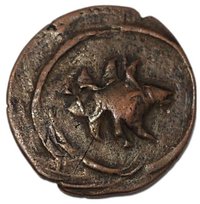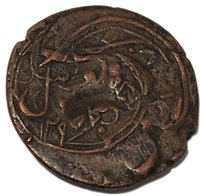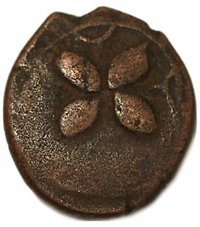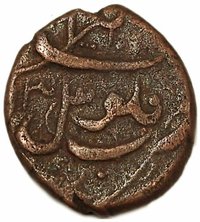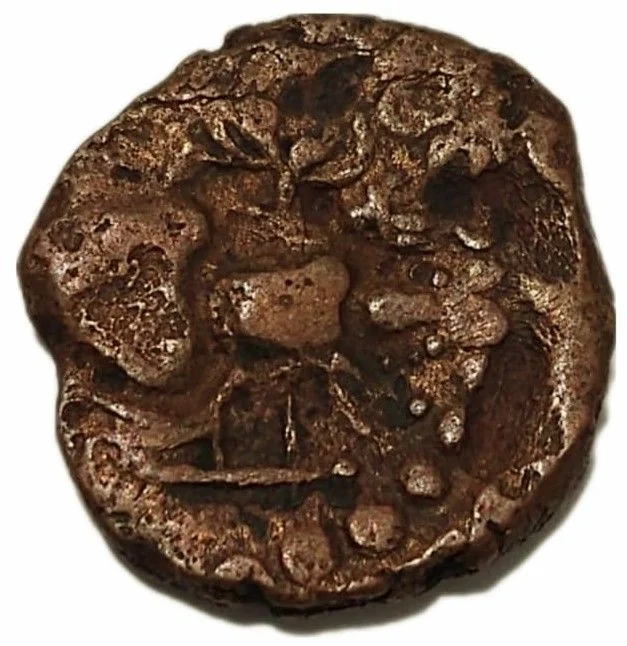
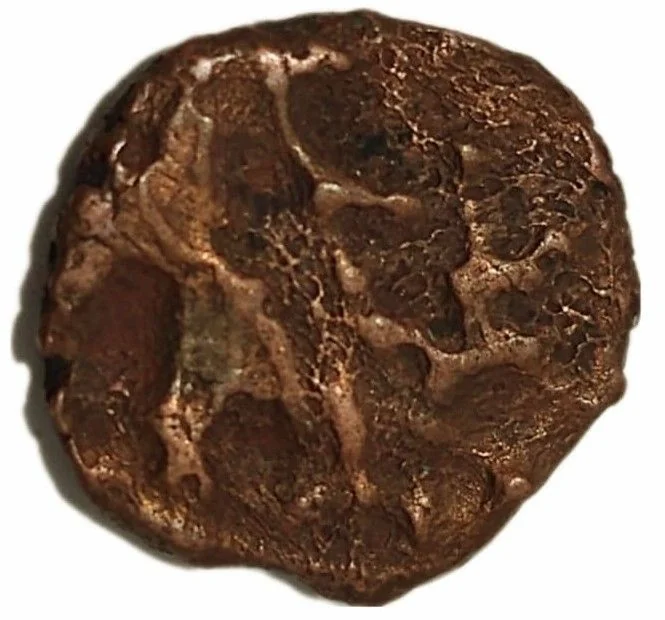
In 1880, the city of Herat existed in a state of profound monetary complexity and instability, caught between the decaying authority of the Afghan Amir and the encroaching influence of foreign powers. Officially part of the Emirate of Afghanistan under Amir Abdur Rahman Khan, who had recently seized the throne, Herat's integration into the central state was tenuous. The city's economy still operated on a legacy of Persian monetary influence, with the Iranian
kran and
toman circulating widely alongside various Afghan and local issues. This created a chaotic marketplace where exchange rates fluctuated daily based on the silver content and perceived legitimacy of the coins, hindering reliable trade.
The primary currency in circulation was a fragmented mix of silver coins. Alongside the Persian issues, older Afghan coins minted by previous rulers, including those from the Barakzai dynasty and even remnants from the Durrani Empire, remained in use. Crucially, the Russian silver ruble and British Indian rupee also held significant sway, reflecting the geopolitical "Great Game" being played out in the region. These foreign currencies were often preferred for larger transactions due to their consistent weight and purity, undermining local monetary sovereignty. Counterfeiting was rampant, further eroding trust in any single medium of exchange.
This monetary disarray was a direct symptom of Herat's turbulent recent history, having changed hands between Persian and Afghan control multiple times in the preceding decades. In 1880, Amir Abdur Rahman was actively working to centralize power, which included imposing a unified currency system across Afghanistan. However, his authority in distant Herat was still consolidating, and the practical implementation of a new Kabul-minted rupee would take years. Thus, the city's bazaars in 1880 remained a numismatic crossroads, where the metallic legacy of empires past and the political pressures of the present converged in every transaction.