Logo Title
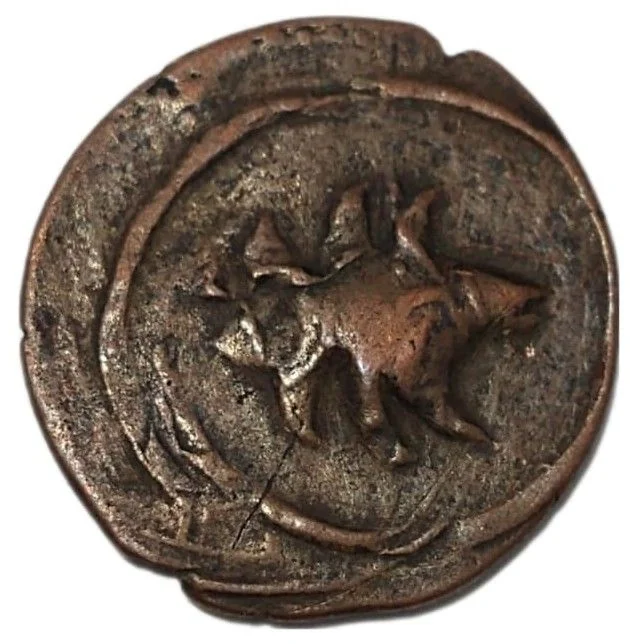
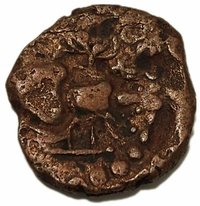
obverse
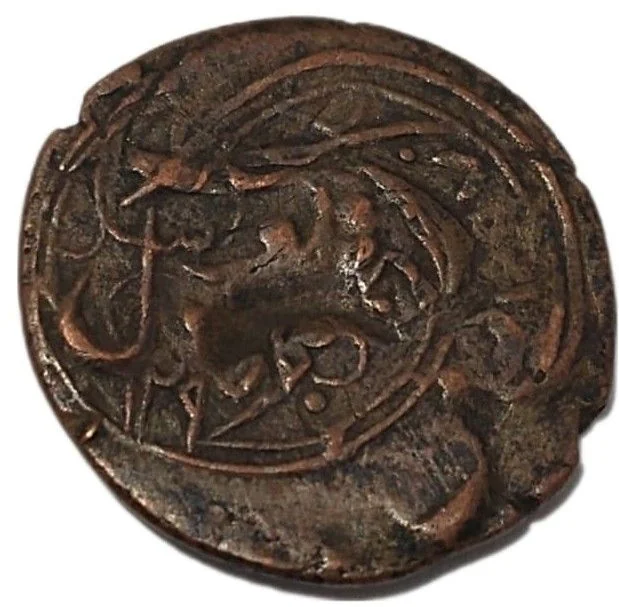
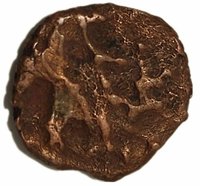
reverse
Obverse @Adilson
Afghanistan
Context
Years: 1879–1880
Country: Afghanistan Country flag
Issuer: City of Herat
Currency:
(1747—1891)
Demonetized: Yes
Material
Diameter: 24 mm
Weight: 6.2 g
Composition: Copper
Magnetic: No
References
KM: #Click to copy to clipboard46
Numista: #433739

Obverse

Description:
Floral vine

Reverse

Inscription:
هرات

فلوس

ضرب

۱۲۹۶
Translation:
Herat

Fulus

Struck

1296
Script: Arabic
Language: Persian

Edge

Mints

NameMark
Herat

Mintings

YearMint MarkMintageQualityCollection
1879
1880

Historical background

In 1879, Herat existed within a complex and unstable monetary environment, caught between the declining authority of the Afghan Amir and persistent Persian influence. The city had long been a contested prize between the Qajar dynasty of Persia and the Durrani Empire of Afghanistan, only being firmly integrated into Afghanistan under Amir Dost Mohammad Khan in 1863. Despite this, Persian coinage, particularly silver krans and copper shahis, remained deeply embedded in local commerce due to centuries of cultural and economic ties. The official Afghan currency, the silver rupee minted in Kabul, was in circulation but competed with these older, familiar Persian denominations, creating a dual-currency system that reflected Herat's transitional political status.

This period was one of profound monetary disorder exacerbated by the Second Anglo-Afghan War (1878-1880). Following the British occupation of Kabul in 1879, central authority from the Afghan capital fragmented, disrupting the already tenuous supply of standardized coinage to distant provinces like Herat. Local rulers and money-changers filled the vacuum, leading to a proliferation of clipped, debased, and counterfeit coins. The value of money became highly unstable, fluctuating with political rumors, the movements of armies, and the reliability of the individual sarraf (money-changer) assessing a coin's weight and silver content.

Consequently, daily trade in Herat's bazaars was fraught with difficulty. Merchants and customers had to navigate a confusing array of coins, each requiring negotiation over its true worth. This uncertainty stifled commerce and increased the cost of goods, placing a heavy burden on the common population. The currency chaos of 1879 was, therefore, a direct symptom of Herat's geopolitical limbo—no longer under Persian control, yet not fully integrated into a stable Afghan monetary system, and further destabilized by a national war for sovereignty.
Legendary