Logo Title
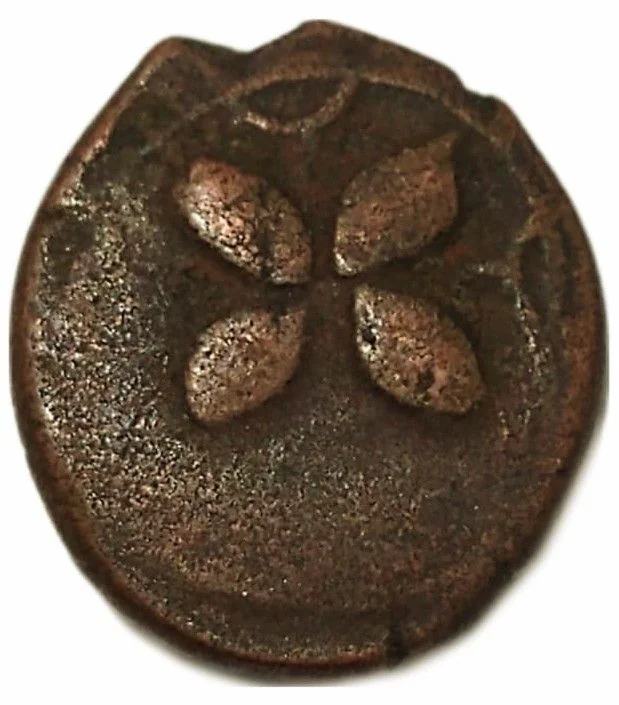
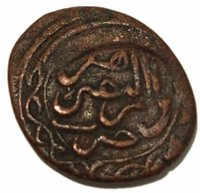
obverse
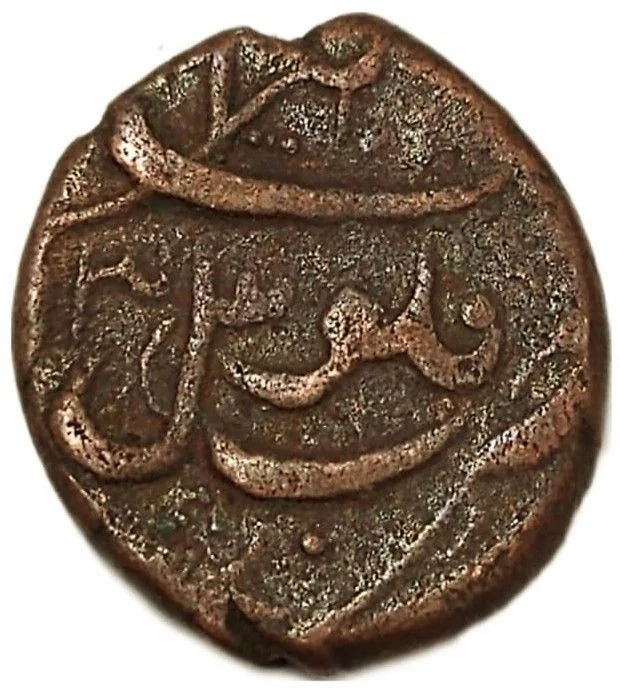
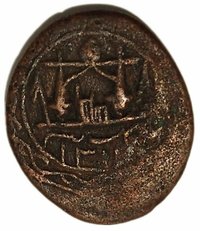
reverse
Obverse @Adilson
Afghanistan
Context
Years: 1887–1888
Country: Afghanistan Country flag
Issuer: City of Herat
Currency:
(1747—1891)
Demonetized: Yes
Material
Diameter: 18 mm
Weight: 5.5 g
Composition: Copper
Magnetic: No
References
KM: #Click to copy to clipboard50
Numista: #431051

Obverse

Description:
Cross of four ovals.

Reverse

Description:
Dated inscription at base.
Script: Arabic

Edge

Mints

NameMark
Herat

Mintings

YearMint MarkMintageQualityCollection
1887
1888

Historical background

In 1887, Herat existed in a complex monetary landscape shaped by its geopolitical position as a contested city on the frontier of the Qajar Persian and Afghan spheres of influence. Officially under the control of the Afghan Amir Abdur Rahman Khan in Kabul, the city's deep historical, cultural, and economic ties to Persia meant that multiple currencies circulated simultaneously. The primary official coinage was the Afghan rupee, minted by the centralizing Amir, but in practice, the older and more trusted Persian kran silver coin and the Russian gold chervonets (sovereign) were widely used for larger transactions, especially in trade. This created a de facto multi-currency system where exchange rates fluctuated based on political relations and the purity of the coins presented.

The currency situation was further complicated by the absence of a formal banking system and the prevalence of clipped, debased, and counterfeit coins. Merchants and money changers (sarrafs) wielded significant power, assessing the true value of each coin by its weight and metallic content rather than its face value. This made commerce a specialized skill and introduced considerable friction and risk into everyday transactions. The co-circulation of Afghan, Persian, Russian, and even some older Herati and Bukharan coins reflected the city’s role as a crucial caravan hub on the Silk Road, where long-distance trade demanded reliable, high-value specie.

Amir Abdur Rahman Khan, seeking to consolidate his authority, was actively attempting to standardize currency across Afghanistan, including Herat. His policies aimed to suppress the use of foreign coinage and enforce the use of the Kabul rupee. However, in 1887, this centralizing policy was meeting strong resistance in Herat due to both merchant preference for trusted foreign specie and the practical difficulties of supplying enough official coinage to the remote western province. Thus, the bazaars of Herat operated on a fragile monetary duality—between the decreed authority of Kabul and the economic realities of cross-border commerce and tradition.
Legendary