

10 Cash – Sinkiang Province
China
Context
Material
References
Y: #Click to copy to clipboard37.1-2
Numista: #42029
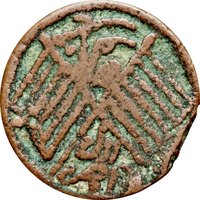
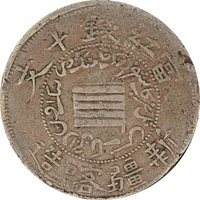
Obverse
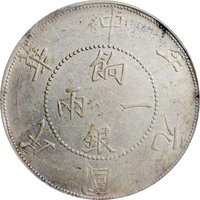
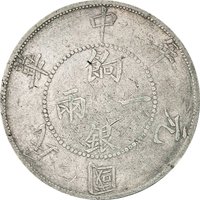
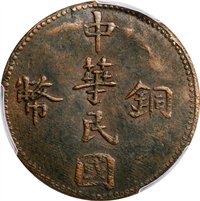
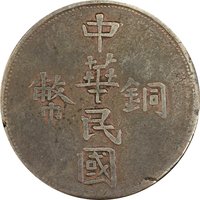
Description:
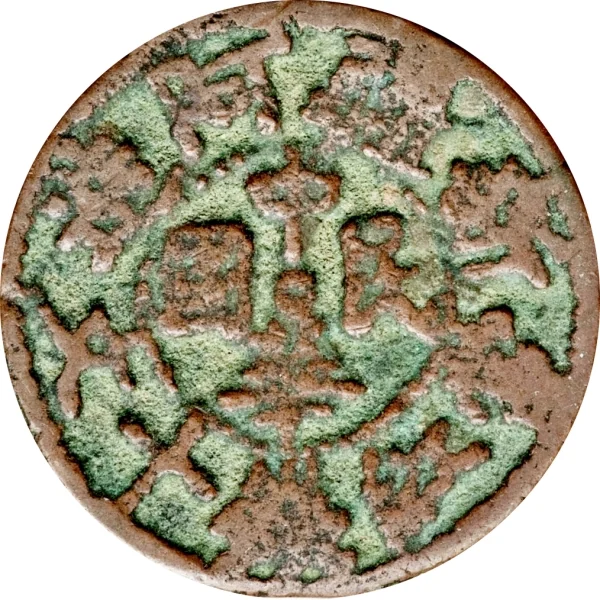
Four ideograms read vertically, right to left, among others.
Inscription:
造阿疆新
中
國民
華
文十錢紅當
中
國民
華
文十錢紅當
Translation:
Made in the Republic of China
Ten Copper Cash
Red One Hundred
Ten Copper Cash
Red One Hundred
Language: Chinese
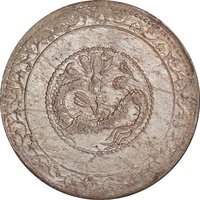
Reverse
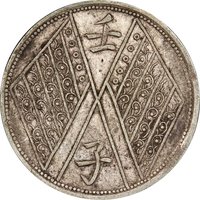
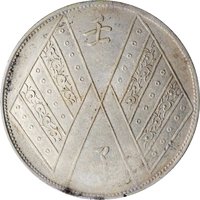
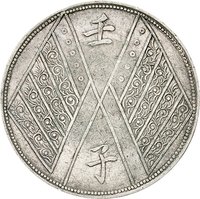
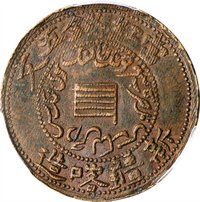
Description:
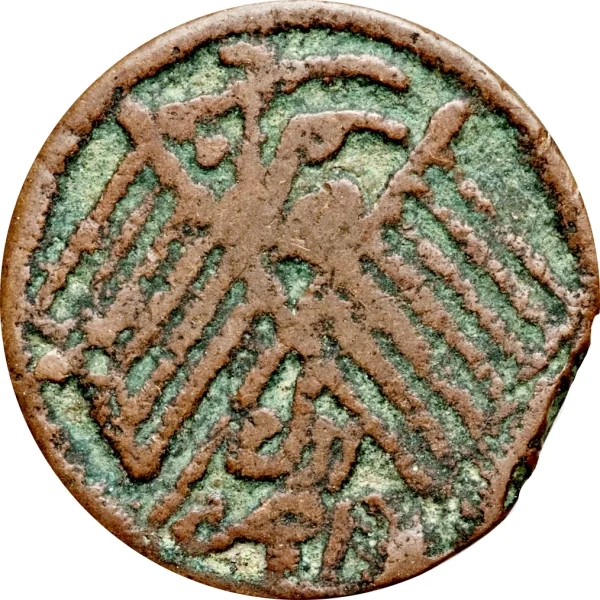
Crossed flags with Arabic text above and below.
Inscription:
ضو ب
اقسو
مس جل
اون داچن ليک
اقسو
مس جل
اون داچن ليک
Translation:
Struck
in
Misr (Cairo)
in the year one thousand and twelve
in
Misr (Cairo)
in the year one thousand and twelve
Languages: Arabic, Ottoman Turkish
Edge
Mints
| Name | Mark |
|---|---|
| Aksu Mint | — |
Mintings
| Year | Mint Mark | Mintage | Quality | Collection |
|---|---|---|---|---|
| 1912 | — | — |
Historical background
In 1912, Sinkiang (Xinjiang) Province found itself in a state of profound monetary disarray, a direct legacy of the collapsing Qing Dynasty and the chaotic proclamation of the Republic of China. The province, geographically isolated and under the militarized governorship of Yang Zengxin, operated with a high degree of autonomy from the nascent republican government in Beijing. The currency system was a fragmented patchwork, dominated by the continued circulation of old Qing coinage, particularly silver sycees (ingots) and copper cash coins, which remained the basis for most local transactions. However, the supply of standardized coin from central mints had ceased, leading to severe shortages and widespread use of privately minted and often debased coins.
This scarcity of official currency was exacerbated by the influx of foreign silver coins, most notably the Russian ruble and the Mexican dollar, which circulated heavily in northern Sinkiang and major trade centers like Ili and Dihua (Ürümqi). These foreign currencies were essential for cross-border trade but introduced exchange rate instability. Furthermore, to address the cash shortage, local authorities and even merchants issued their own paper notes, known as chao-piao. These were highly localized, often unredeemable outside a specific county or merchant network, and prone to depreciation, creating a complex and unreliable monetary environment for the populace.
Consequently, Yang Zengxin’s administration in Dihua faced the immediate challenge of asserting monetary control as a pillar of political stability. While a unified provincial currency was still years away, 1912 marked the beginning of efforts to systematize this chaos. The immediate focus was on managing the existing coinage, attempting to regulate the chao-piao, and leveraging customs revenues to stabilize finances. The currency situation thus reflected Sinkiang’s broader condition: a strategically vital but remote region navigating its relationship with China proper while managing its diverse internal economies and powerful foreign influences through a fragile and heterogeneous monetary system.
This scarcity of official currency was exacerbated by the influx of foreign silver coins, most notably the Russian ruble and the Mexican dollar, which circulated heavily in northern Sinkiang and major trade centers like Ili and Dihua (Ürümqi). These foreign currencies were essential for cross-border trade but introduced exchange rate instability. Furthermore, to address the cash shortage, local authorities and even merchants issued their own paper notes, known as chao-piao. These were highly localized, often unredeemable outside a specific county or merchant network, and prone to depreciation, creating a complex and unreliable monetary environment for the populace.
Consequently, Yang Zengxin’s administration in Dihua faced the immediate challenge of asserting monetary control as a pillar of political stability. While a unified provincial currency was still years away, 1912 marked the beginning of efforts to systematize this chaos. The immediate focus was on managing the existing coinage, attempting to regulate the chao-piao, and leveraging customs revenues to stabilize finances. The currency situation thus reflected Sinkiang’s broader condition: a strategically vital but remote region navigating its relationship with China proper while managing its diverse internal economies and powerful foreign influences through a fragile and heterogeneous monetary system.
✨ Legendary