

5 mithqual – Sinkiang Province
Add to wishlist
China
Context
Year: 1911
Islamic (Hijri) Year:: 1329
Country: China
Issuer: Sinkiang Province
Ruler: Xuantong
Demonetized: Yes
Material
References
Y: #
Numista: #295982
Value
Bullion value: $42.93
Obverse
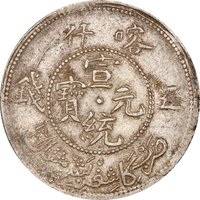
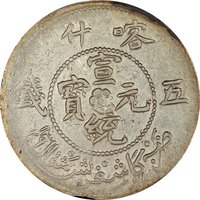
Description:
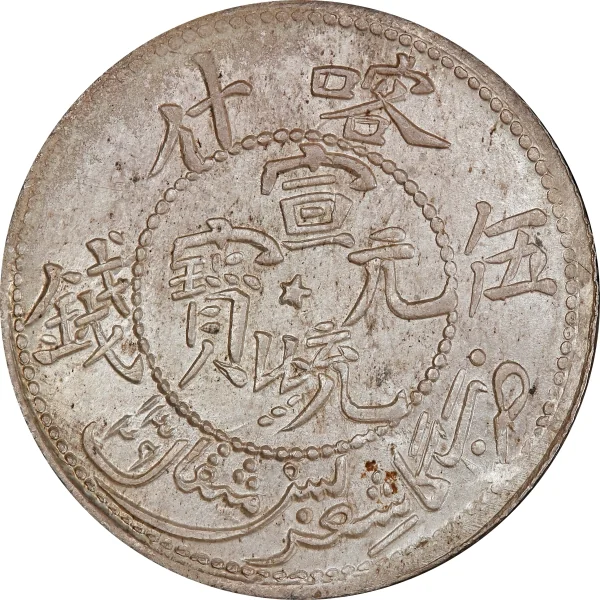
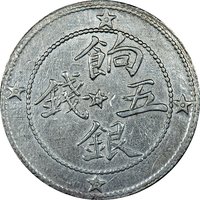
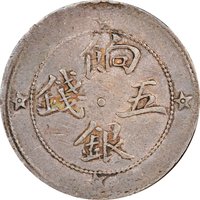
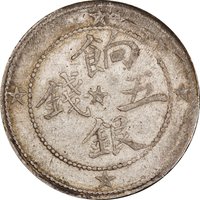
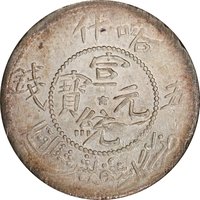
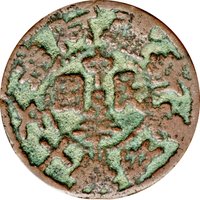
Four Chinese characters read vertically, right to left, surrounding a central star, with more characters around and Arabic text below.
Inscription:
什喀
錢伍
宣
寶元
統
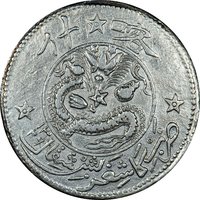
ضو ب كاشنو بش مثقال ١٣٢٩
錢伍
宣
寶元
統
ضو ب كاشنو بش مثقال ١٣٢٩
Translation:
Five Mithqals of Kashani Coin
Struck in
the year 1329
Struck in
the year 1329
Languages: Arabic, Ottoman Turkish
Reverse
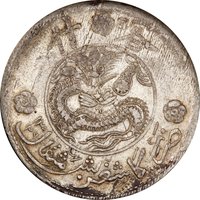
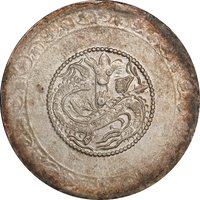
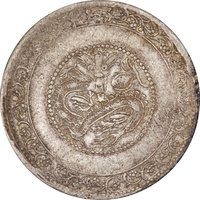
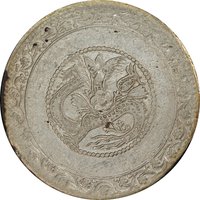
Description:
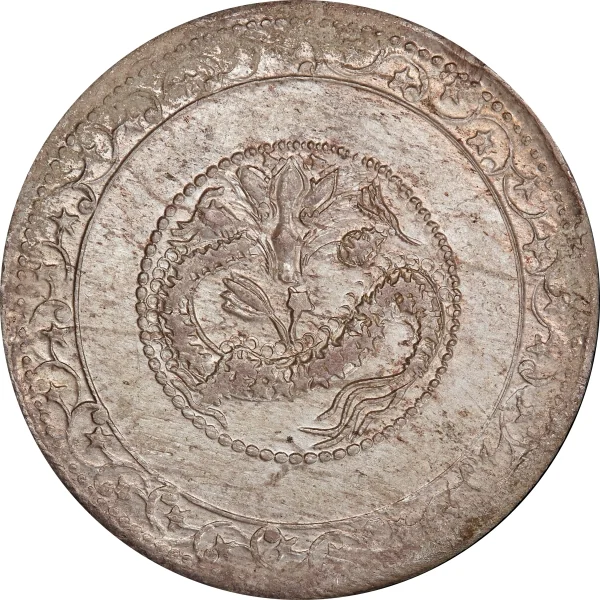
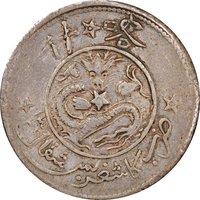
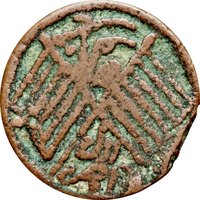
Dragon encircling a plant and star, within a decorative border.
Edge
Categories
| Mythology> Fantastic animal |
Mintings
| Year | Mint Mark | Mintage | Quality | Collection |
|---|---|---|---|---|
| 1911 | — | — |
Historical background
In 1911, the currency situation in Sinkiang (Xinjiang) Province was a complex and fragmented reflection of its isolated geography and contested political control. The province was nominally under the authority of the fading Qing Dynasty, but in practice, power was exercised by regional governors and local warlords. The official currency was the Xinjiang Tael Note, a paper currency issued by the provincial government in Ürümqi. However, these notes were not on a unified national standard; they were denominated in taels (a unit of silver weight) and their value was highly unstable, fluctuating based on the issuing authority's solvency and distance from the provincial capital.
Alongside these official notes, a multitude of other currencies circulated, creating a chaotic monetary environment. In southern oases like Kashgar, Kashgar Tael Notes issued by local authorities held sway, while Russian Imperial Rubles (both paper and silver coins) dominated trade in the Ili Valley and northern regions due to strong cross-border commercial links. Chinese silver yuan coins from the interior, old copper cash coins, and even silver ingots (yamboos) were also in use. This proliferation led to wildly inconsistent exchange rates between different note issues and metallic coins, which varied from town to town and were often manipulated by money changers and officials.
This monetary disarray was fundamentally a symptom of Sinkiang's tenuous integration into China proper. The great distances, poor communication, and weak central control meant no single, trusted currency could dominate. The system was prone to severe inflation and devaluation, especially as the provincial government, facing budgetary shortfalls, often resorted to printing more paper notes without sufficient reserves. The outbreak of the Xinhai Revolution in late 1911, which toppled the Qing Dynasty, would further destabilize the situation, plunging Sinkiang into a period of warlord rule that would exacerbate this currency confusion for decades to come.
Alongside these official notes, a multitude of other currencies circulated, creating a chaotic monetary environment. In southern oases like Kashgar, Kashgar Tael Notes issued by local authorities held sway, while Russian Imperial Rubles (both paper and silver coins) dominated trade in the Ili Valley and northern regions due to strong cross-border commercial links. Chinese silver yuan coins from the interior, old copper cash coins, and even silver ingots (yamboos) were also in use. This proliferation led to wildly inconsistent exchange rates between different note issues and metallic coins, which varied from town to town and were often manipulated by money changers and officials.
This monetary disarray was fundamentally a symptom of Sinkiang's tenuous integration into China proper. The great distances, poor communication, and weak central control meant no single, trusted currency could dominate. The system was prone to severe inflation and devaluation, especially as the provincial government, facing budgetary shortfalls, often resorted to printing more paper notes without sufficient reserves. The outbreak of the Xinhai Revolution in late 1911, which toppled the Qing Dynasty, would further destabilize the situation, plunging Sinkiang into a period of warlord rule that would exacerbate this currency confusion for decades to come.
✨ Legendary