

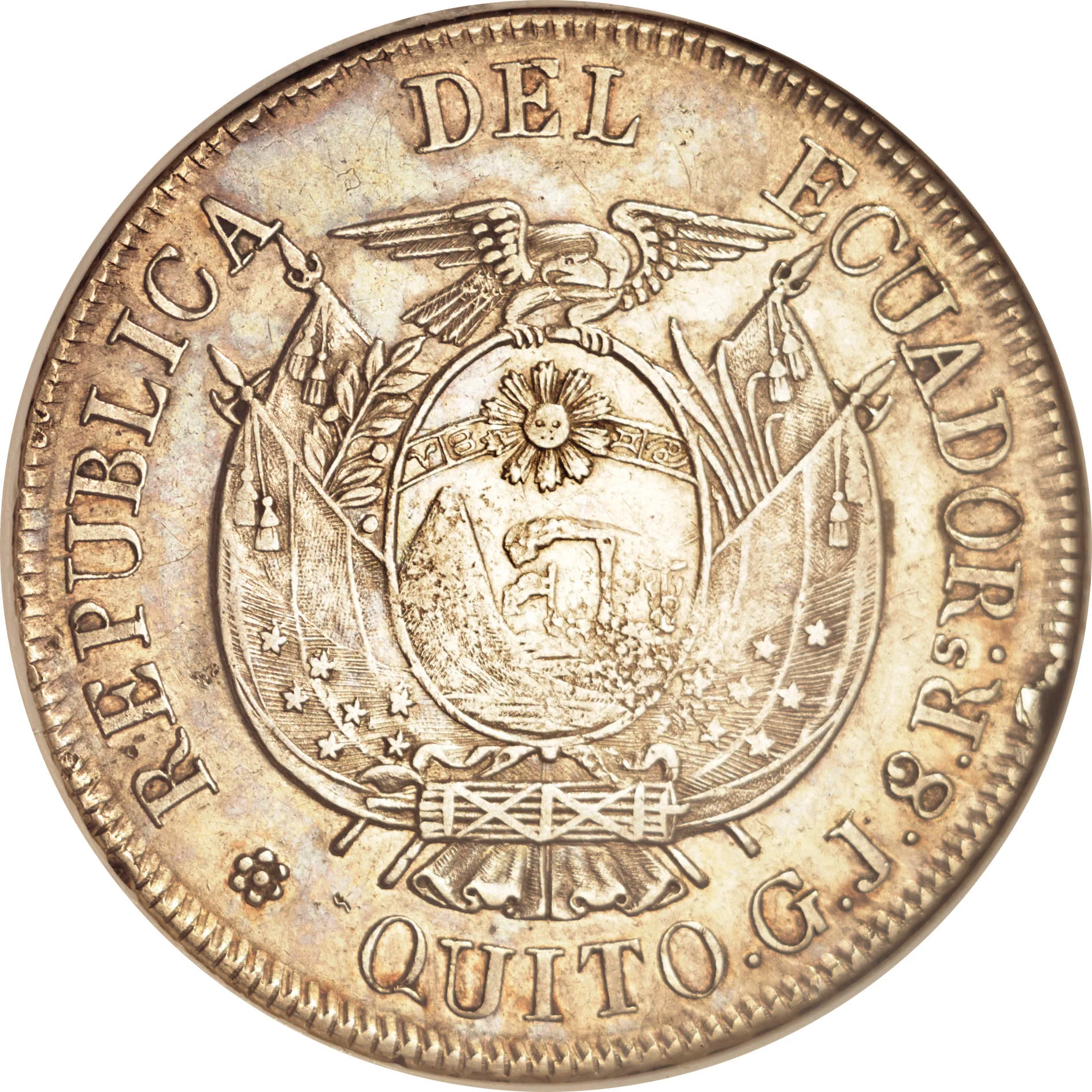
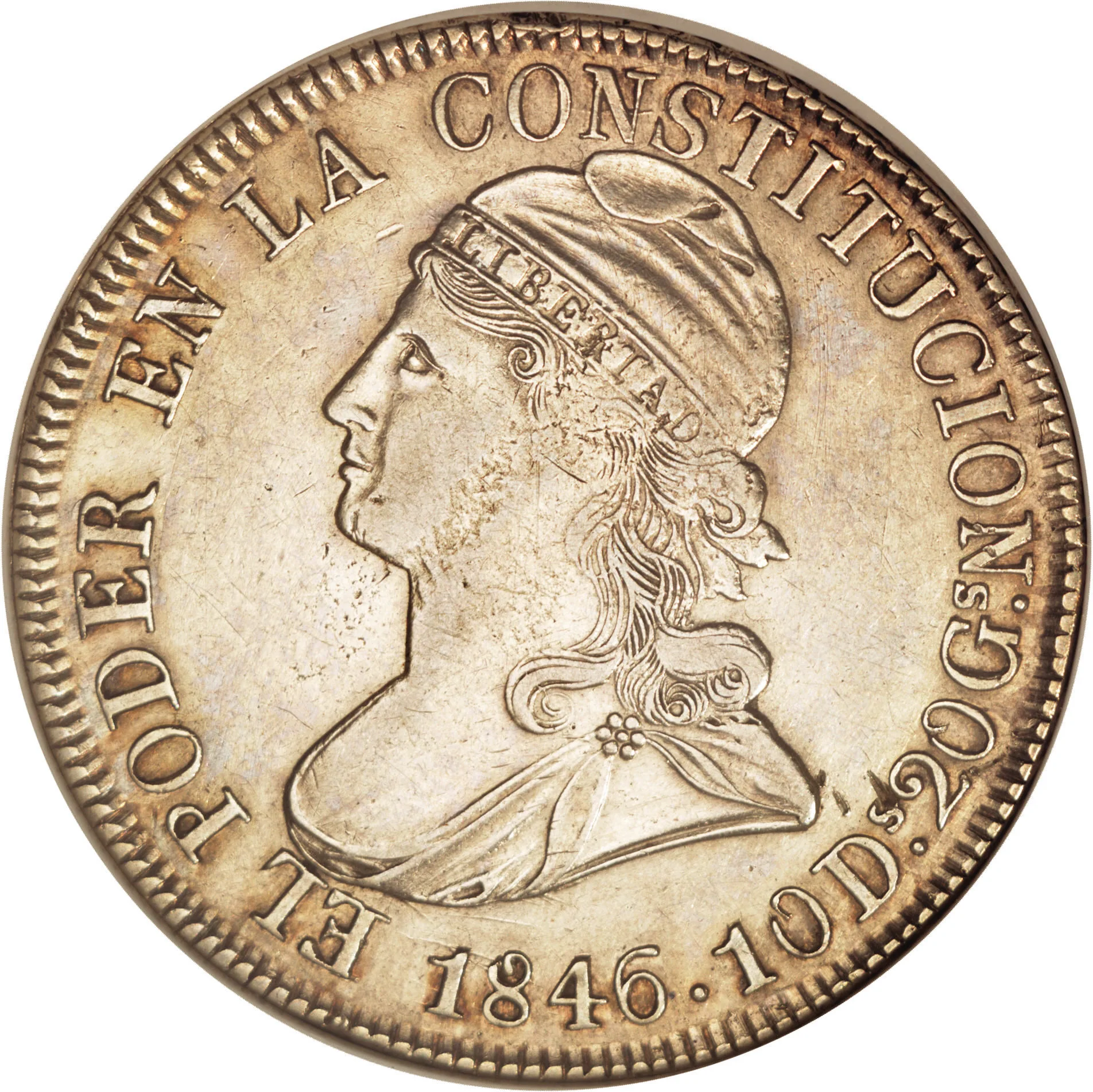
Mintings
| Year | Mint Mark | Mintage | Quality | Collection |
|---|---|---|---|---|
| 1846 | GJ | — | ||
| 1846 | GJ | — | Proof |
Historical background
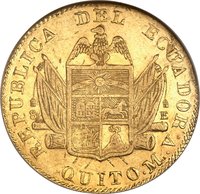
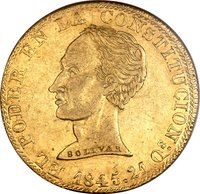
In 1846, Ecuador's currency situation was characterized by profound instability and fragmentation, a direct legacy of its post-independence struggles. Following its separation from Gran Colombia in 1830, the new republic inherited a chaotic monetary system with a severe shortage of official coinage. This vacuum was filled by a confusing mix of foreign coins, primarily Spanish colonial reales, Colombian pesos, and Peruvian pesos, all circulating simultaneously at varying and fluctuating exchange rates. The government, lacking strong institutions and consistent fiscal policy, had minimal control over this de facto system, which stifled domestic commerce and complicated state finances.
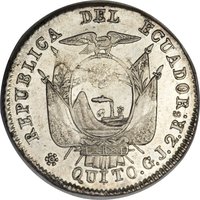
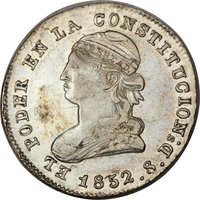
The administration of President Vicente Ramón Roca (1845-1849) recognized this monetary anarchy as a major obstacle to national consolidation and economic development. Efforts to reform the system were underway, most notably with the Ley de Moneda (Currency Law) of 1846. This law aimed to formally decimalize Ecuador's currency, introducing the peso as the national unit, subdivided into 100 centavos, and to begin minting its own coins at the Quito mint. However, the ambitious plans faced immense practical hurdles, including a chronic lack of precious metals for coinage and the deeply entrenched use of foreign silver in everyday transactions.
Consequently, the currency situation in 1846 was one of transition and frustration. While the legal framework for a sovereign monetary system had been established, the physical reality for most Ecuadorians remained one of relying on worn foreign silver and barter. The state's inability to produce sufficient quantities of its own coinage meant that the law's provisions were only partially implemented, perpetuating the monetary confusion it sought to resolve. Thus, the year stands as a point where the need for a unified national currency was clearly identified, but the tangible solution remained elusive, reflecting the broader challenges of building a functional state in Ecuador's early republican period.
The administration of President Vicente Ramón Roca (1845-1849) recognized this monetary anarchy as a major obstacle to national consolidation and economic development. Efforts to reform the system were underway, most notably with the Ley de Moneda (Currency Law) of 1846. This law aimed to formally decimalize Ecuador's currency, introducing the peso as the national unit, subdivided into 100 centavos, and to begin minting its own coins at the Quito mint. However, the ambitious plans faced immense practical hurdles, including a chronic lack of precious metals for coinage and the deeply entrenched use of foreign silver in everyday transactions.
Consequently, the currency situation in 1846 was one of transition and frustration. While the legal framework for a sovereign monetary system had been established, the physical reality for most Ecuadorians remained one of relying on worn foreign silver and barter. The state's inability to produce sufficient quantities of its own coinage meant that the law's provisions were only partially implemented, perpetuating the monetary confusion it sought to resolve. Thus, the year stands as a point where the need for a unified national currency was clearly identified, but the tangible solution remained elusive, reflecting the broader challenges of building a functional state in Ecuador's early republican period.
💎 Extremely Rare