

Iran
Context
Year: 1870
Islamic (Hijri) Year: 1286
Issuer: Iran 
Ruler: Naser al-Din Shah
Currency:
(1825—1932)
Demonetized: Yes
Material
References
KM: #Click to copy to clipboard863
Numista: #144236
Value
Bullion value: $570.22
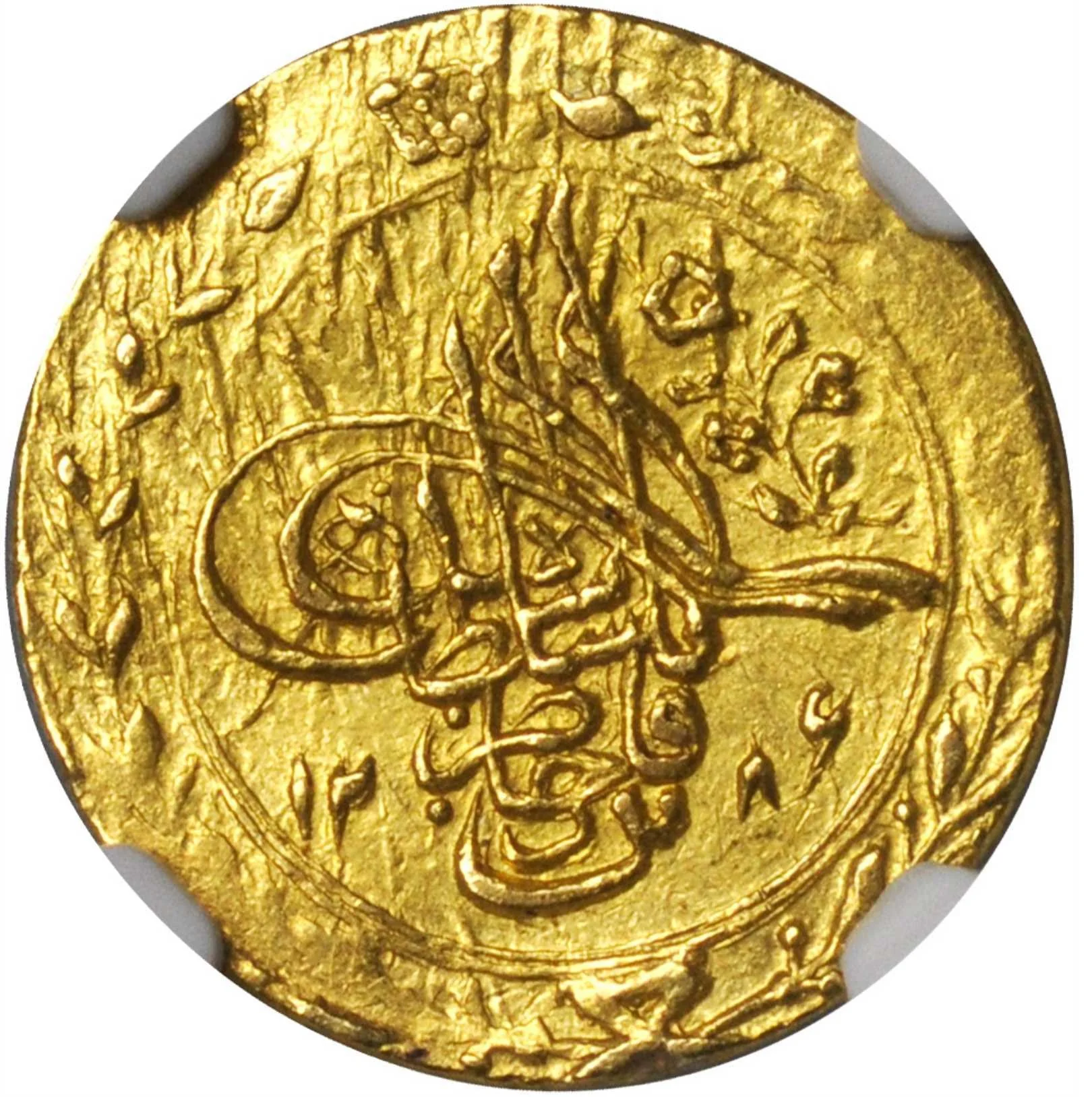
Obverse
Description:
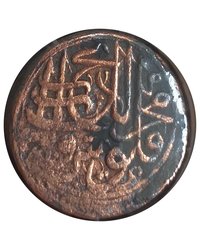
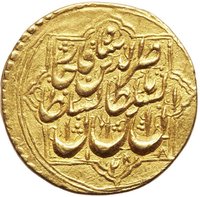
Toughra inscription.
Inscription:
السلطان ناصرالدین شاه قاجار
۱۲۸۶
۱۲۸۶
Translation:
The Sultan Nasir al-Din Shah Qajar
1286
1286
Language: Arabic
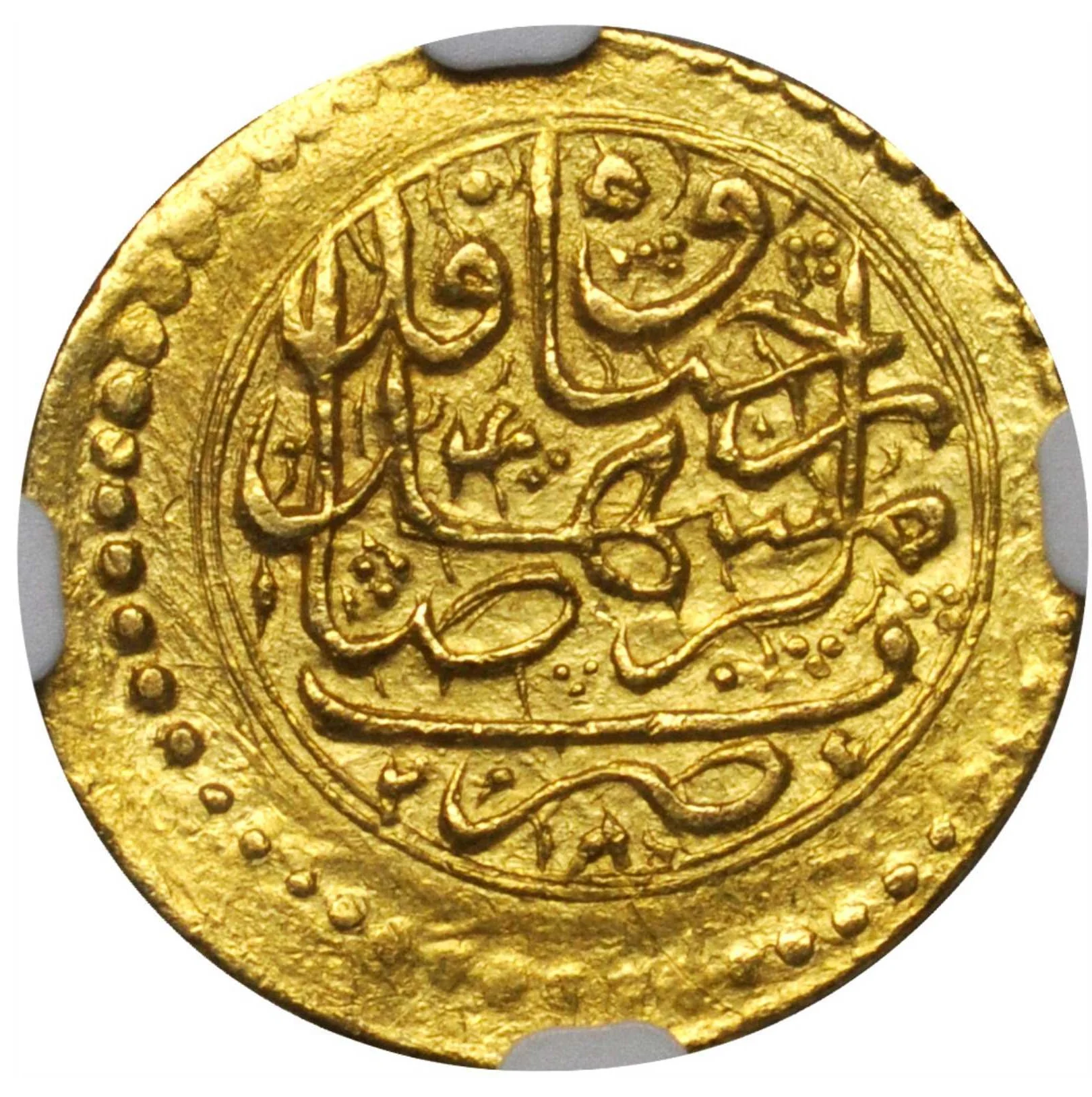
Reverse
Inscription:
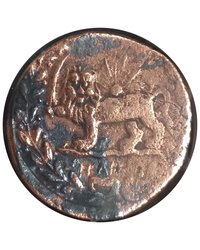
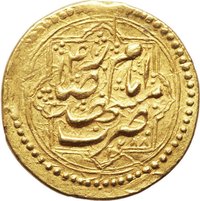
ضرب مشهد الرضا روحنا فداه
۱۲۸۶
۱۲۸۶
Translation:
Struck at the Mashhad of al-Riḍā, may our souls be his ransom,
[12]86
[12]86
Language: Arabic
Edge
Plain
Mints
| Name | Mark |
|---|---|
| Mashhad Muqaddas | مشهد |
Mintings
| Year | Mint Mark | Mintage | Quality | Collection |
|---|---|---|---|---|
| 1870 | — | — |
Historical background
In 1870, Iran’s monetary system was a complex and fragmented relic of the Qajar era, characterized by severe instability and a lack of centralized control. The country had no unified national currency; instead, a bewildering variety of gold, silver, and copper coins circulated simultaneously. These included the toman (a unit of account), the kran (a silver coin), and smaller copper shahis and dinars, whose values fluctuated wildly based on weight, metal purity, and region. Foreign coins, particularly the British Indian rupee and Russian ruble, dominated trade in the north and south, further undermining domestic currency. The government’s chronic budget deficits, often covered by debasing coinage (reducing their silver content), led to frequent devaluations and a profound loss of public trust in the monetary system.
This chaotic situation was exacerbated by the absence of a central bank or minting authority with modern standards. Provincial governors and even powerful merchants often struck their own coins, leading to wide variations in quality and value across the country. The resulting exchange rate volatility crippled internal trade and complicated taxation, as the state struggled to collect revenues in a reliable standard of value. Furthermore, Iran’s integration into the global economy, particularly through the export of raw materials like opium and carpets, made it vulnerable to international silver price shocks, as the kran was a silver-based currency.
The currency crisis of this period was a direct reflection of Iran’s broader political and economic weakness. It highlighted the state’s inability to project financial sovereignty amidst growing European economic influence and internal decentralization. While some administrative reforms were attempted under Naser al-Din Shah (1848-1896), a fundamental restructuring of the monetary system would not begin until the early 20th century, with the eventual establishment of the Imperial Bank of Persia in 1889 (under British concession) and later the creation of a national Iranian bank. Thus, in 1870, Iran remained entrenched in a pre-modern monetary disorder that stifled economic development and state power.
This chaotic situation was exacerbated by the absence of a central bank or minting authority with modern standards. Provincial governors and even powerful merchants often struck their own coins, leading to wide variations in quality and value across the country. The resulting exchange rate volatility crippled internal trade and complicated taxation, as the state struggled to collect revenues in a reliable standard of value. Furthermore, Iran’s integration into the global economy, particularly through the export of raw materials like opium and carpets, made it vulnerable to international silver price shocks, as the kran was a silver-based currency.
The currency crisis of this period was a direct reflection of Iran’s broader political and economic weakness. It highlighted the state’s inability to project financial sovereignty amidst growing European economic influence and internal decentralization. While some administrative reforms were attempted under Naser al-Din Shah (1848-1896), a fundamental restructuring of the monetary system would not begin until the early 20th century, with the eventual establishment of the Imperial Bank of Persia in 1889 (under British concession) and later the creation of a national Iranian bank. Thus, in 1870, Iran remained entrenched in a pre-modern monetary disorder that stifled economic development and state power.
✨ Legendary