

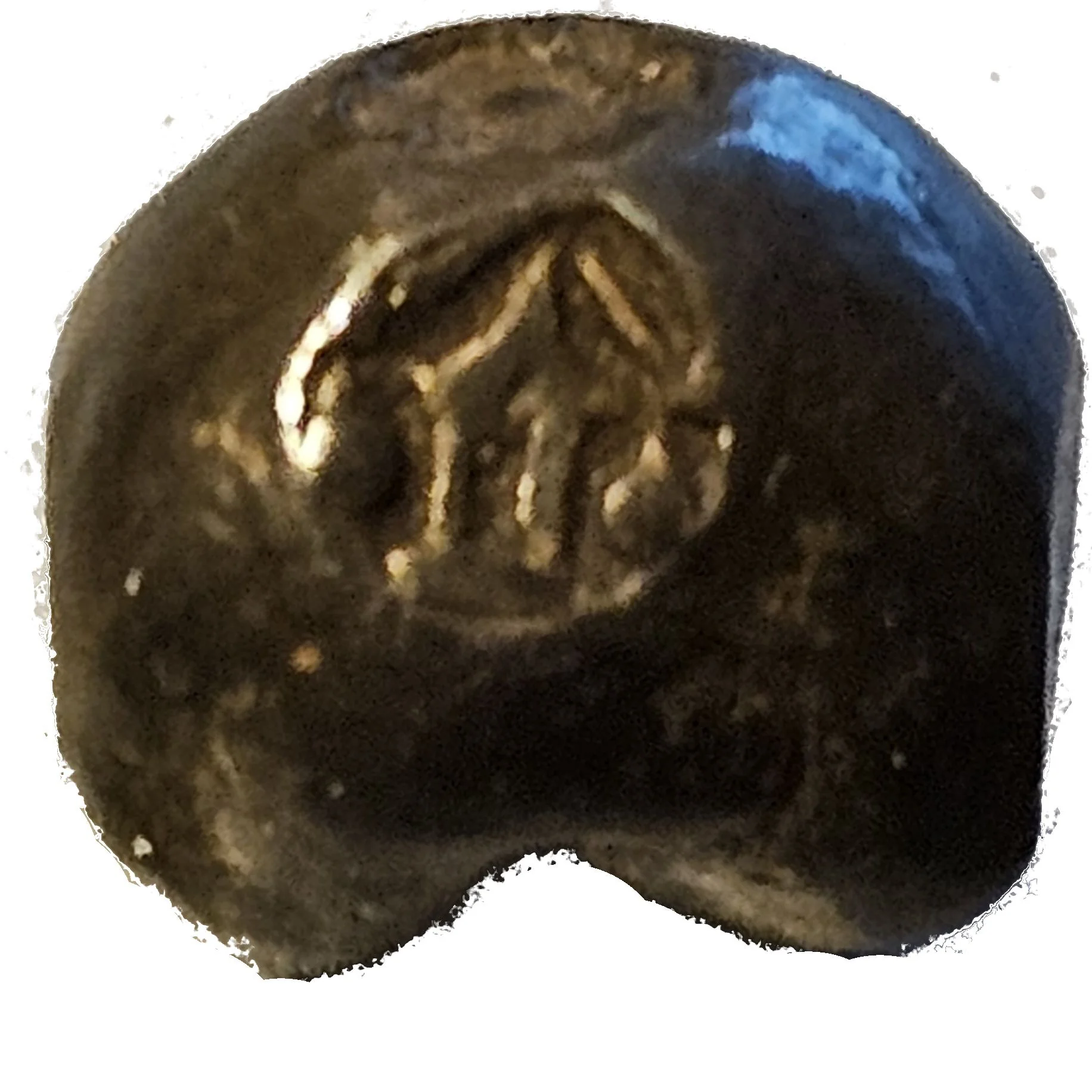
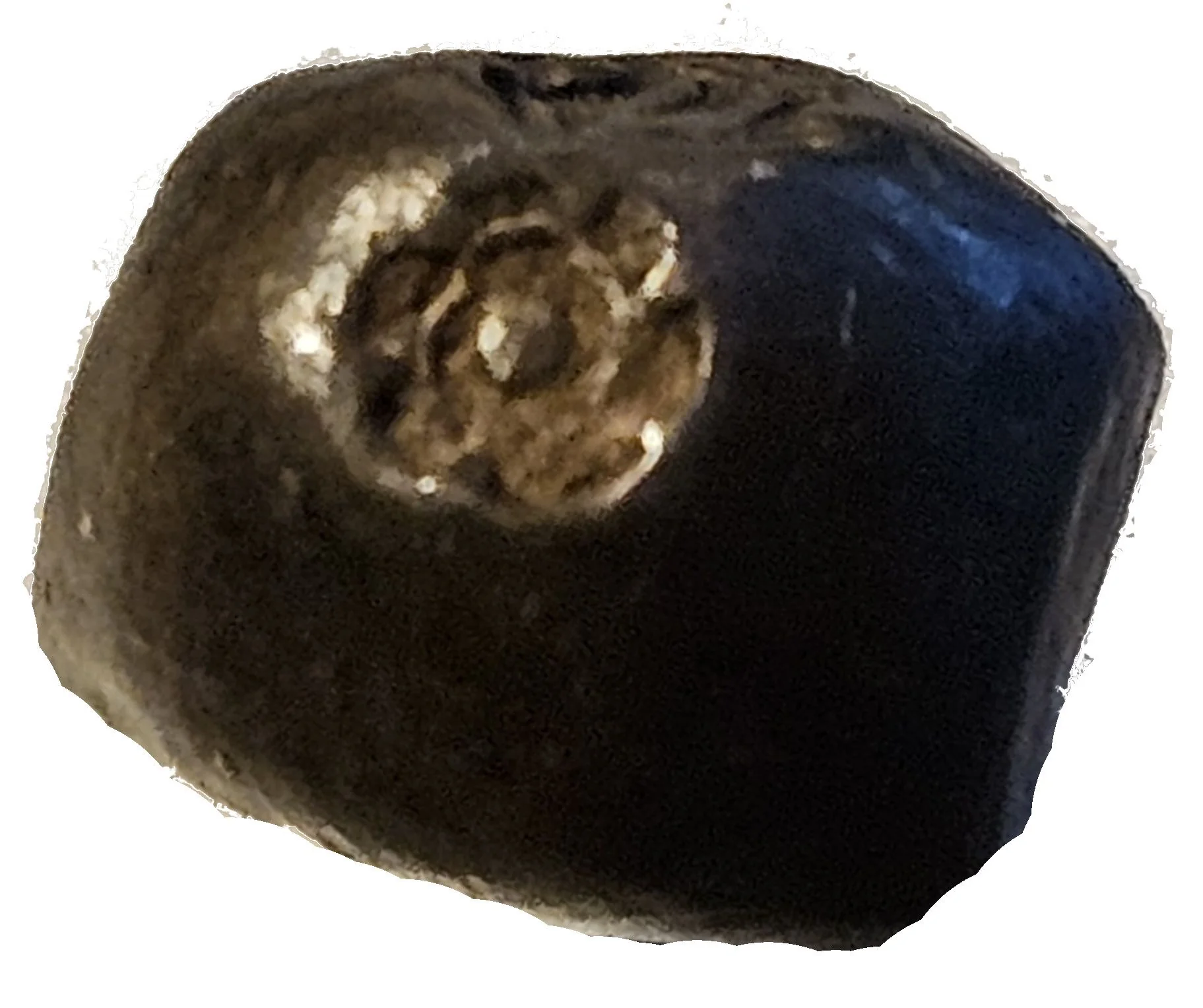
1 salung – Thailand
Add to wishlist
Standard circulation coins
Series: Prasat
Thailand
Context
Material
References
Numista: #403111
Value
Bullion value: $8.87
Obverse
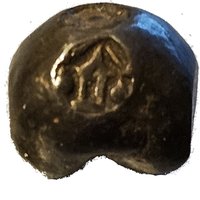
Description:
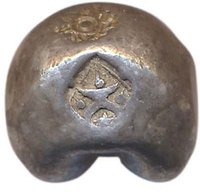
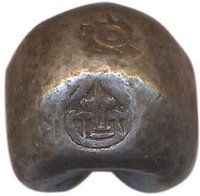
Prasat (Palace) seal
Reverse
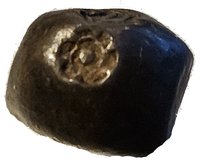
Description:
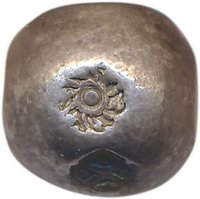
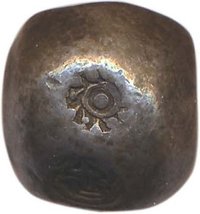
Chakra symbol
Edge
© Micheal Linke
Mintings
| Year | Mint Mark | Mintage | Quality | Collection |
|---|---|---|---|---|
| — | — | — |
Historical background
In 1824, the currency situation in the Kingdom of Siam (modern-day Thailand) was characterized by a complex, pre-modern system based primarily on uncoined silver and barter, operating largely in isolation from global monetary standards. The official unit of account was the baht (or tical), which was not a coin but a unit of weight for precious metals, approximately 15 grams of silver. Actual transactions often involved the physical weighing of silver bullion, known as "bullet money" or phot duang. These were handcrafted, lump-shaped pieces of silver, stamped with official symbols to guarantee purity, making them cumbersome but secure.
The economy functioned on a dual system of commodity money and limited foreign coinage. While the silver baht was used for larger transactions and state revenue, everyday trade for common people heavily relied on barter or subsidiary currencies like cowrie shells and bullet coins made of lesser metals. Additionally, due to thriving regional trade, foreign silver coins, particularly Spanish and Mexican dollars (8 Reales), circulated in port cities like Bangkok, but their value was determined by their weight in silver relative to the baht, not by face value.
This fragmented system presented significant challenges for both domestic administration and international commerce. The lack of a standardized, minted coinage hindered efficient taxation and large-scale trade, requiring expert money-changers at markets. King Rama III (r. 1824–1851) was aware of these inefficiencies, but major monetary reform would not begin until the reign of his successor, King Mongkut (Rama IV), who initiated the first experiments with flat, machine-struck coinage in the 1860s, setting the stage for a modern monetary system.
The economy functioned on a dual system of commodity money and limited foreign coinage. While the silver baht was used for larger transactions and state revenue, everyday trade for common people heavily relied on barter or subsidiary currencies like cowrie shells and bullet coins made of lesser metals. Additionally, due to thriving regional trade, foreign silver coins, particularly Spanish and Mexican dollars (8 Reales), circulated in port cities like Bangkok, but their value was determined by their weight in silver relative to the baht, not by face value.
This fragmented system presented significant challenges for both domestic administration and international commerce. The lack of a standardized, minted coinage hindered efficient taxation and large-scale trade, requiring expert money-changers at markets. King Rama III (r. 1824–1851) was aware of these inefficiencies, but major monetary reform would not begin until the reign of his successor, King Mongkut (Rama IV), who initiated the first experiments with flat, machine-struck coinage in the 1860s, setting the stage for a modern monetary system.
✨ Legendary