

1 baht – Thailand
Add to wishlist
Thailand
Context
Years: 1809–1824
Issuer: Thailand
Ruler: Phra Phutthaloetla Naphalai
Currency:
(1238—1869)
Demonetized: Yes
Material
Weight: 15.4 g
Silver Weight:: 15.40 g
Shape: Round bullet
Composition: Silver
Standard: Silver half ounce
Magnetic: No
Technique: Hammered
References
Numista: #176298
Value
Bullion value: $38.66
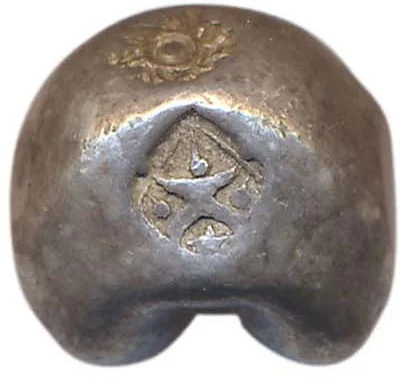
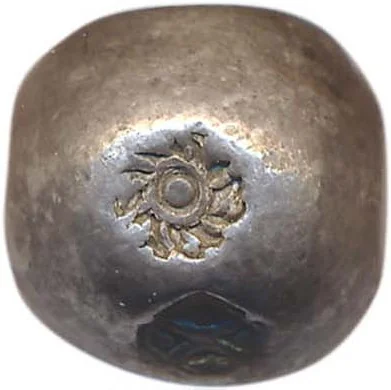
Obverse
Description:
Garuda: Indonesia's national airline.
Reverse
Description:
Energy centers in the body.
Edge
Mintings
| Year | Mint Mark | Mintage | Quality | Collection |
|---|---|---|---|---|
| — | — | — |
Historical background
In 1809, Thailand, then known as Siam, operated under a pre-modern monetary system that was complex and fragmented. The primary currency was the bullet coin, known as photduang or pot duang. These were handcrafted, lump-shaped pieces of silver, stamped with royal and dynastic symbols to guarantee their purity, which was typically around 90-95%. Their value was determined by their weight in the traditional unit of baht (approximately 15 grams), alongside smaller denominations like the salung and fuang. This system required constant weighing and assaying in transactions, as coins were not uniform in size or shape.
Alongside the silver bullet coins, a separate system of cowrie shells served as small change for everyday market transactions among common people. Furthermore, foreign trade, particularly with China and neighboring states, relied heavily on silver bars and a variety of foreign coins, including Spanish and Mexican silver dollars (known as saleung). These trade coins often circulated by weight, creating a multi-tiered currency environment. The state treasury, the Phra Khlang, managed royal finances and foreign trade, but there was no central bank or unified paper currency.
This monetary landscape reflected the broader structure of the early Rattanakosin Kingdom under King Rama II (reigned 1809-1824). The economy was largely agrarian and subsistence-based, with international trade tightly controlled by the crown and a small elite. The system, while functional for its time, was cumbersome and limited commercial expansion. The year 1809 itself did not mark a monetary revolution but existed within a long period of stability for this traditional system, which would persist with only incremental changes until the sweeping monetary reforms of King Mongkut (Rama IV) and King Chulalongkorn (Rama V) later in the 19th century.
Alongside the silver bullet coins, a separate system of cowrie shells served as small change for everyday market transactions among common people. Furthermore, foreign trade, particularly with China and neighboring states, relied heavily on silver bars and a variety of foreign coins, including Spanish and Mexican silver dollars (known as saleung). These trade coins often circulated by weight, creating a multi-tiered currency environment. The state treasury, the Phra Khlang, managed royal finances and foreign trade, but there was no central bank or unified paper currency.
This monetary landscape reflected the broader structure of the early Rattanakosin Kingdom under King Rama II (reigned 1809-1824). The economy was largely agrarian and subsistence-based, with international trade tightly controlled by the crown and a small elite. The system, while functional for its time, was cumbersome and limited commercial expansion. The year 1809 itself did not mark a monetary revolution but existed within a long period of stability for this traditional system, which would persist with only incremental changes until the sweeping monetary reforms of King Mongkut (Rama IV) and King Chulalongkorn (Rama V) later in the 19th century.
✨ Legendary