

½ farthing – Ceylon
Add to wishlist
Sri Lanka
Obverse
Description:
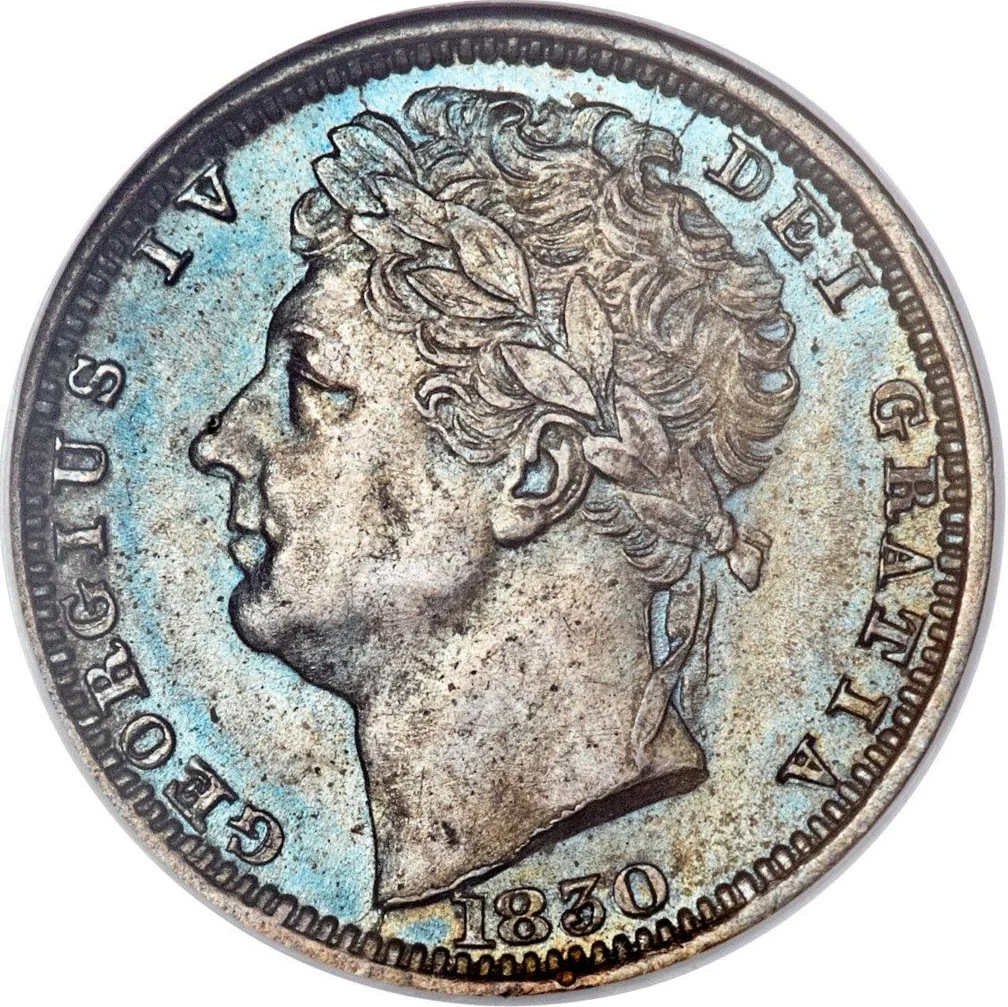
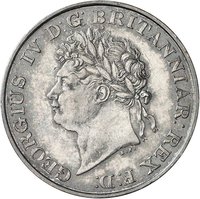
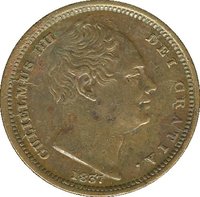
George IV left portrait, date below, legend around.
Inscription:
GEORGIUS IV DEI GRATIA
1830
1830
Translation:
George IV by the Grace of God
Script: Latin
Language: Latin
Engraver: William Wyon
Reverse
Edge
Plain
Mints
| Name | Mark |
|---|---|
| Royal Mint (Tower Hill) | — |
Mintings
| Year | Mint Mark | Mintage | Quality | Collection |
|---|---|---|---|---|
| 1828 | — | 7,680,000 | ||
| 1828 | — | — | Proof | |
| 1830 | — | 8,776,300 | Proof | |
| 1830 | — | — |
Historical background
In 1828, the currency situation in Ceylon (present-day Sri Lanka) was a complex and problematic colonial legacy, characterised by a chaotic multiplicity of currencies. The island operated without a single, unified monetary standard, circulating a confusing mix of British silver coins, Indian gold pagodas and silver fanams, Dutch rix-dollars, and various local coins. This system was inefficient for trade and administration, as the value of these coins fluctuated based on their metallic content and the volatile exchange rates between gold and silver, creating uncertainty and facilitating fraud.
The root of the problem lay in the island's strategic position and its recent colonial history. Having been formally ceded to Britain by the Dutch in 1815, Ceylon inherited the Dutch monetary system while also being integrated into the trade networks of the British East India Company, which brought Indian currency. The British administration, keen to streamline control and increase revenue, found this monetary anarchy a significant obstacle to efficient taxation and commercial development. Transactions required cumbersome calculations, and government accounts were difficult to standardise.
Consequently, by 1828, pressure was mounting for a comprehensive currency reform. The colonial government was actively moving towards a decisive solution: the demonetization of the old Dutch and indigenous coins and the establishment of a sterling-based monetary system tied firmly to British currency. This push would culminate in the Proclamation of 1828, which introduced British silver coinage as the sole legal tender, effectively simplifying and centralising the currency under a single, stable standard aligned with the imperial economy.
The root of the problem lay in the island's strategic position and its recent colonial history. Having been formally ceded to Britain by the Dutch in 1815, Ceylon inherited the Dutch monetary system while also being integrated into the trade networks of the British East India Company, which brought Indian currency. The British administration, keen to streamline control and increase revenue, found this monetary anarchy a significant obstacle to efficient taxation and commercial development. Transactions required cumbersome calculations, and government accounts were difficult to standardise.
Consequently, by 1828, pressure was mounting for a comprehensive currency reform. The colonial government was actively moving towards a decisive solution: the demonetization of the old Dutch and indigenous coins and the establishment of a sterling-based monetary system tied firmly to British currency. This push would culminate in the Proclamation of 1828, which introduced British silver coinage as the sole legal tender, effectively simplifying and centralising the currency under a single, stable standard aligned with the imperial economy.
⭐ Somewhat Rare