

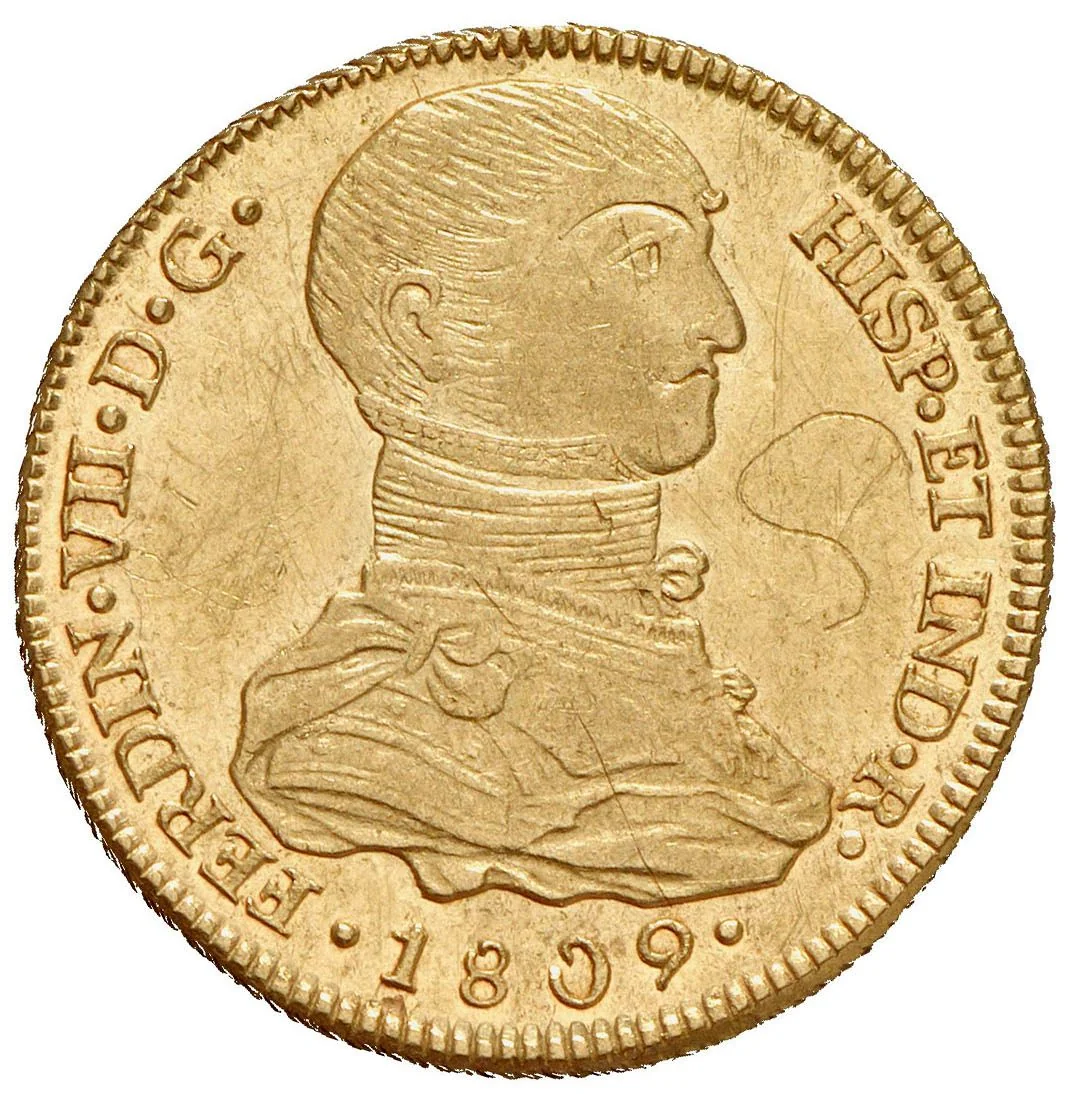
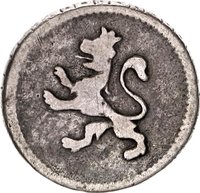
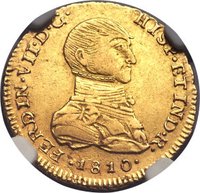
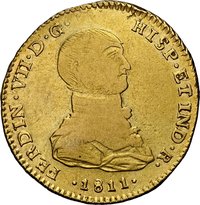
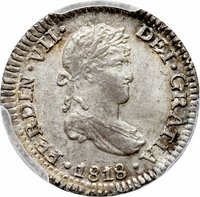
Obverse
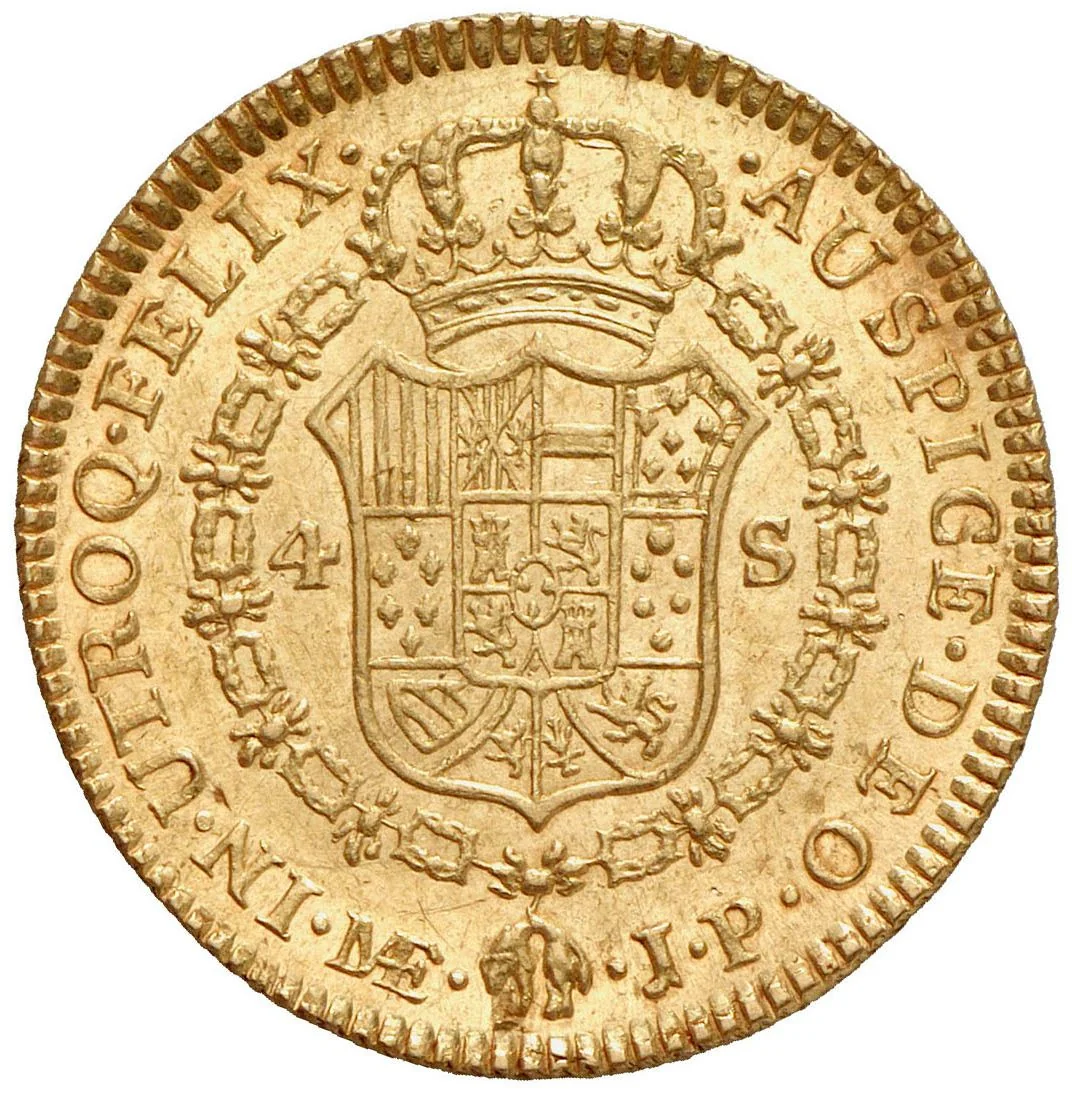
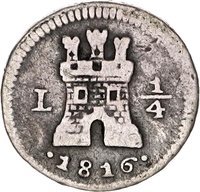
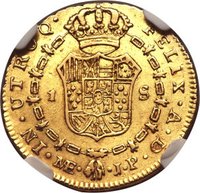
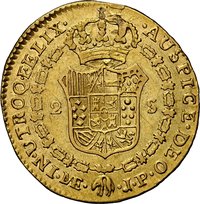
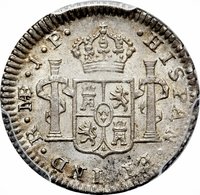
Reverse
Edge
Categories
| Symbols> Coat of Arms |
Mints
| Name | Mark |
|---|---|
| Lima | LIMAE |
Historical background
In 1809, the currency situation in the Viceroyalty of Peru was a complex and strained system, still officially operating under the Spanish colonial monetary framework. The real and the silver peso (or "piece of eight") were the primary units, with coins minted at the Lima Mint, one of the oldest and most important in the Americas. However, the system was plagued by chronic shortages of circulating specie, especially low-denomination coins for daily transactions. This scarcity was exacerbated by the immense outflow of silver to Spain, bureaucratic inefficiencies, and the high cost of mining and minting in the Andes.
The shortage led to the widespread use of informal and substitute currencies. In local markets, goods were often bartered, and within indigenous communities, traditional systems of exchange persisted. More critically, a flood of debased and counterfeit coins, known as macuquinas (clipped or irregular cobs) and later low-quality moneda feble (weak currency) from other Spanish territories, circulated at discounted values, creating confusion and eroding trust. This monetary instability reflected and amplified the broader economic tensions within the viceroyalty, where commercial restrictions and Crown monopolies stifled growth.
Politically, 1809 was a year of rising unrest, following uprisings in other South American cities like Chuquisaca and La Paz. While full-scale revolution had not yet reached Lima, the creole elite and merchants were increasingly frustrated with Spanish economic policies. The dysfunctional currency system became a tangible daily reminder of colonial mismanagement, hindering commerce and fueling grievances. Thus, the monetary chaos of 1809 was not merely an economic issue but a symptom of the decaying colonial order, setting the stage for the financial challenges that would confront the nascent Peruvian republic in the coming decades of struggle for independence.
The shortage led to the widespread use of informal and substitute currencies. In local markets, goods were often bartered, and within indigenous communities, traditional systems of exchange persisted. More critically, a flood of debased and counterfeit coins, known as macuquinas (clipped or irregular cobs) and later low-quality moneda feble (weak currency) from other Spanish territories, circulated at discounted values, creating confusion and eroding trust. This monetary instability reflected and amplified the broader economic tensions within the viceroyalty, where commercial restrictions and Crown monopolies stifled growth.
Politically, 1809 was a year of rising unrest, following uprisings in other South American cities like Chuquisaca and La Paz. While full-scale revolution had not yet reached Lima, the creole elite and merchants were increasingly frustrated with Spanish economic policies. The dysfunctional currency system became a tangible daily reminder of colonial mismanagement, hindering commerce and fueling grievances. Thus, the monetary chaos of 1809 was not merely an economic issue but a symptom of the decaying colonial order, setting the stage for the financial challenges that would confront the nascent Peruvian republic in the coming decades of struggle for independence.
Series: 1809 Peru circulation coins
✨ Legendary