

1 Peso – Guatemala
Guatemala
Context
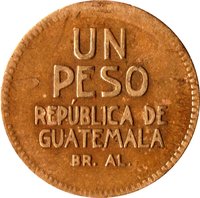
Year: 1923
Issuer: Guatemala 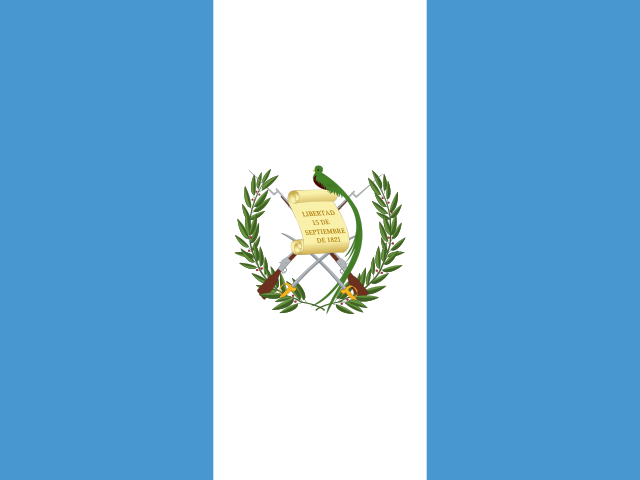
Period:
(since 1841)
Currency:
(1869—1925)
Demonetized: Yes
Total mintage: 1,477,913
Material
References
KM: #Click to copy to clipboard233
Numista: #14265
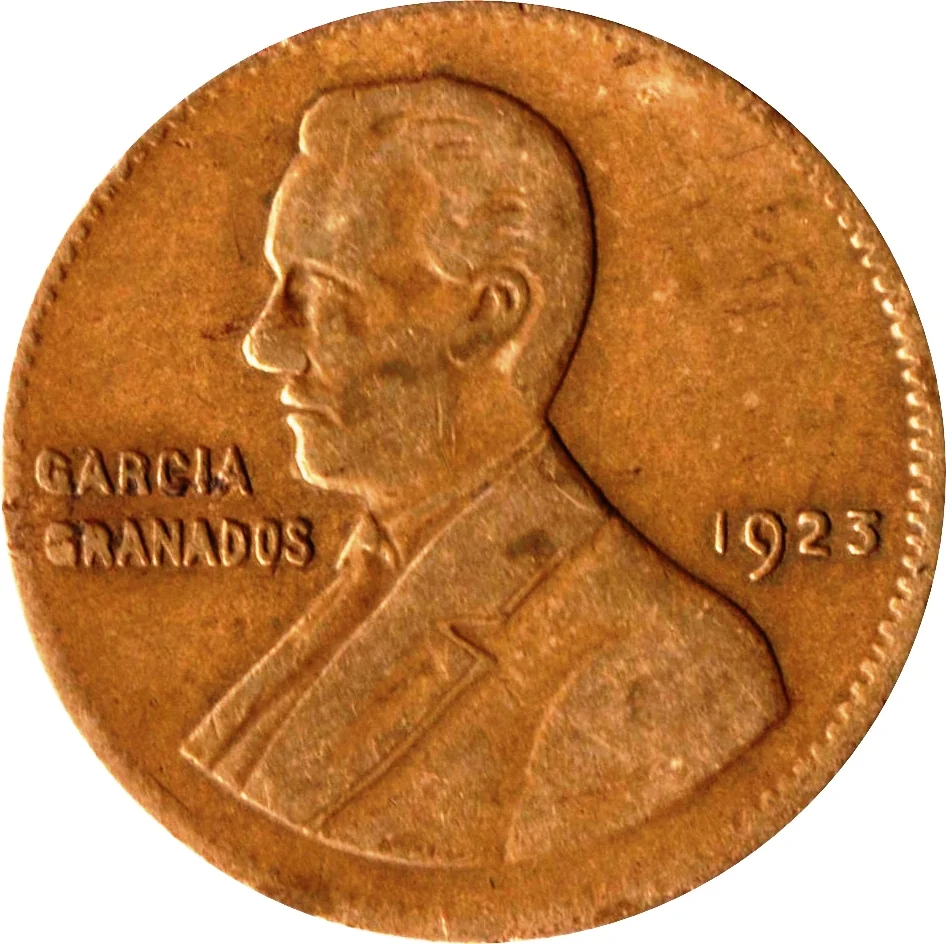
Obverse
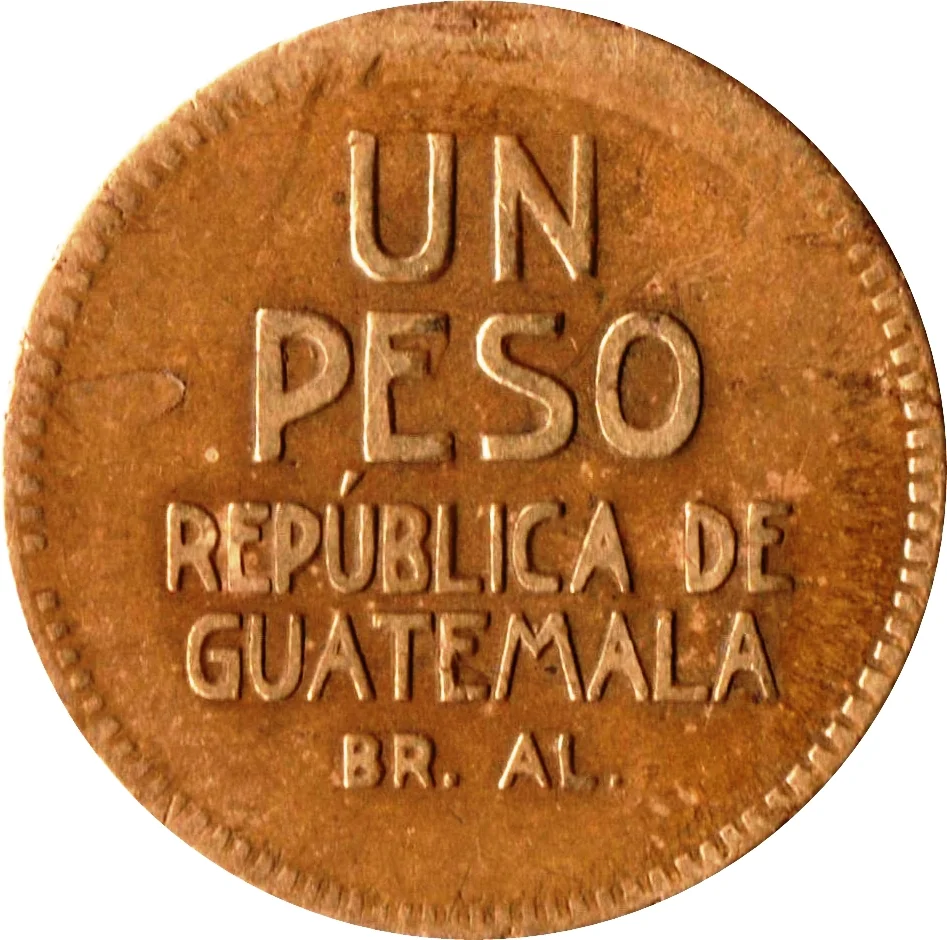
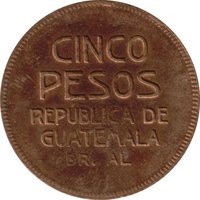
Reverse
Edge
Reeded
Categories
| Person> Politician |
Mints
| Name | Mark |
|---|---|
| Casa de Moneda de Guatemala | — |
Mintings
| Year | Mint Mark | Mintage | Quality | Collection |
|---|---|---|---|---|
| 1923 | — | 1,477,913 |
Historical background
In 1923, Guatemala’s currency situation was defined by a period of transition and instability following the collapse of the global coffee boom after World War I. The national currency, the Guatemalan peso, had experienced significant depreciation and inflation. This economic fragility was exacerbated by a substantial public debt and a reliance on coffee exports, whose prices had fallen sharply on the international market. The monetary system was loosely based on a silver standard, but the peso's value was unstable, causing uncertainty in both domestic commerce and foreign trade.
Recognizing the need for reform, President José María Orellana’s government enacted a pivotal monetary law on November 26, 1923. This legislation created a new gold-standard currency, the quetzal, named after the national bird, to replace the devalued peso. The quetzal was established with a fixed parity of one quetzal to one United States dollar, aiming to impose discipline, attract foreign investment, and stabilize the economy. The law also created a new issuing bank, the Central Bank of Guatemala (which would later evolve into the Bank of Guatemala), to manage the currency and hold gold reserves.
The reform of 1923 was a foundational moment for Guatemala's modern financial system. The introduction of the quetzal successfully ended the period of monetary chaos, providing a stable and credible currency that would facilitate economic recovery and growth in the following decades. The quetzal's peg to the U.S. dollar and its gold backing remained intact for years, earning it a reputation as one of Latin America's most stable currencies throughout much of the 20th century.
Recognizing the need for reform, President José María Orellana’s government enacted a pivotal monetary law on November 26, 1923. This legislation created a new gold-standard currency, the quetzal, named after the national bird, to replace the devalued peso. The quetzal was established with a fixed parity of one quetzal to one United States dollar, aiming to impose discipline, attract foreign investment, and stabilize the economy. The law also created a new issuing bank, the Central Bank of Guatemala (which would later evolve into the Bank of Guatemala), to manage the currency and hold gold reserves.
The reform of 1923 was a foundational moment for Guatemala's modern financial system. The introduction of the quetzal successfully ended the period of monetary chaos, providing a stable and credible currency that would facilitate economic recovery and growth in the following decades. The quetzal's peg to the U.S. dollar and its gold backing remained intact for years, earning it a reputation as one of Latin America's most stable currencies throughout much of the 20th century.
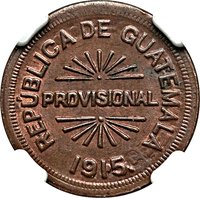
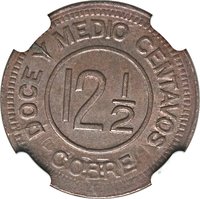
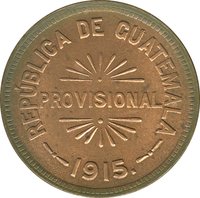
Series: Provisional Series
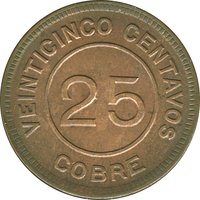
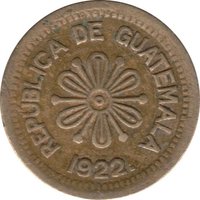
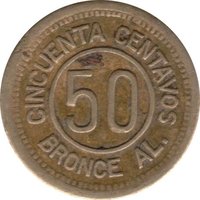
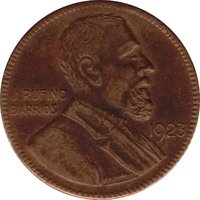

🌟 Uncommon