

Sri Lanka
Context
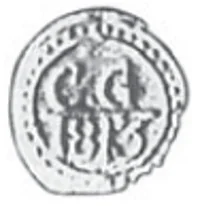
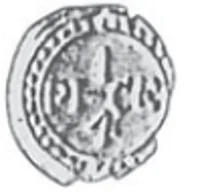
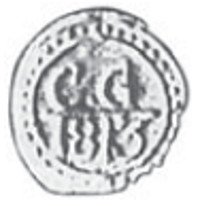
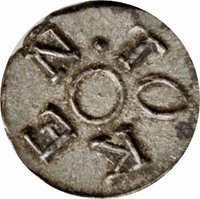
Year: 1813
Country: Sri Lanka 
Issuer: Ceylon
Ruler: George III
Currency:
(1796—1828)
Demonetized: Yes
Material
References
KM: #Click to copy to clipboard72
Numista: #142549
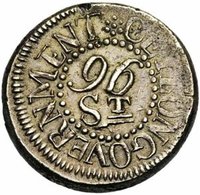
Obverse
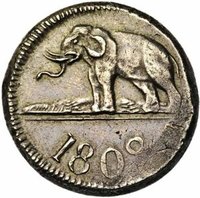
Reverse
Edge
Plain
Mintings
| Year | Mint Mark | Mintage | Quality | Collection |
|---|---|---|---|---|
| 1813 | — | — |
Historical background
In 1813, Ceylon (modern Sri Lanka) was a British Crown Colony, having been formally ceded from the Dutch in the aftermath of the Napoleonic Wars. The island's currency situation was chaotic and reflected its complex colonial history. Multiple currencies circulated simultaneously: British sterling coins, various Indian silver rupees (especially the Madras and Bombay issues), and older Dutch rix-dollars and stuivers. This created a confusing and inefficient monetary environment where exchange rates fluctuated locally, hindering trade and administration.
The British administration, under Governor Robert Browningg, recognised the need for standardisation but faced significant practical and political hurdles. A key problem was the shortage of small change, which crippled everyday transactions for the local population. While the British attempted to fix exchange rates by proclamation—for example, valuing the Spanish dollar (a widely used trade coin) at 4 shillings and 8 pence—the reality was a market-driven disparity between the official and actual value of the mixed coinage. This led to widespread hoarding of the most valued coins and general public mistrust.
Consequently, 1813 fell within a period of transitional instability rather than monetary resolution. The British were slowly imposing a sterling-based accounting system for government transactions, but the lack of a unified, physical currency in adequate supply remained a pressing issue. This unsatisfactory situation would eventually lead to more decisive action, culminating in the introduction of a dedicated Ceylon rupee in 1825, which finally established a single, decimalized currency for the colony.
The British administration, under Governor Robert Browningg, recognised the need for standardisation but faced significant practical and political hurdles. A key problem was the shortage of small change, which crippled everyday transactions for the local population. While the British attempted to fix exchange rates by proclamation—for example, valuing the Spanish dollar (a widely used trade coin) at 4 shillings and 8 pence—the reality was a market-driven disparity between the official and actual value of the mixed coinage. This led to widespread hoarding of the most valued coins and general public mistrust.
Consequently, 1813 fell within a period of transitional instability rather than monetary resolution. The British were slowly imposing a sterling-based accounting system for government transactions, but the lack of a unified, physical currency in adequate supply remained a pressing issue. This unsatisfactory situation would eventually lead to more decisive action, culminating in the introduction of a dedicated Ceylon rupee in 1825, which finally established a single, decimalized currency for the colony.
✨ Legendary