

2 lariat – Maldives
Add to wishlist
Maldives
Context
Years: 1877–1881
Issuer: Maldives
Ruler: Muhammad Imaaduddeen IV
Currency:
(1660—1947)
Demonetized: Yes
Material
References
KM: #
Numista: #37110
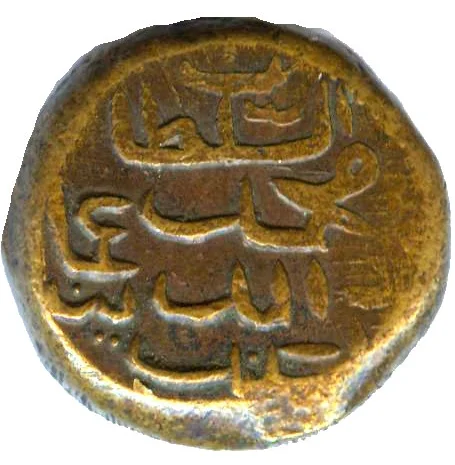
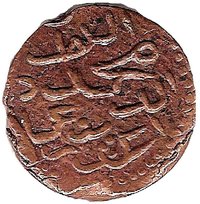
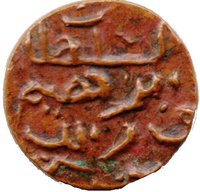
Obverse
Description:
Arabic writing system
Inscription:
سلطان
محمد عما
د الدين
اسكندر
محمد عما
د الدين
اسكندر
Translation:
Sultan
Muhammad 'Ala
al-Din
Iskandar
Muhammad 'Ala
al-Din
Iskandar
Language: Arabic
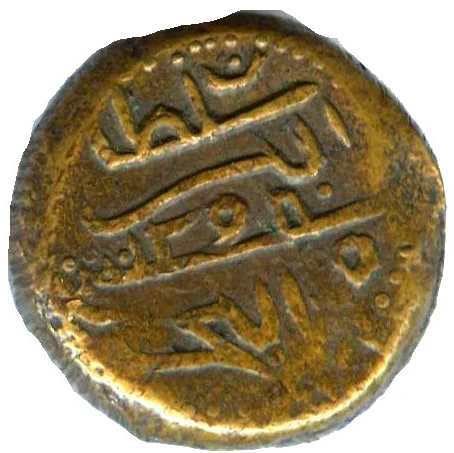
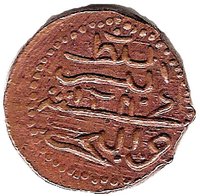
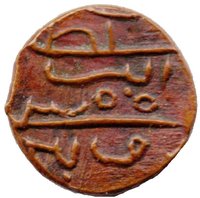
Reverse
Description:
Arabic writing system
Inscription:
سلطان
١٢٩٨
سنة
البر
والبحر
١٢٩٨
سنة
البر
والبحر
Translation:
Sultan
1298
Year
The Land and the Sea
1298
Year
The Land and the Sea
Language: Arabic
Edge
Plain
Mintings
| Year | Mint Mark | Mintage | Quality | Collection |
|---|---|---|---|---|
| 1877 | — | — | ||
| 1881 | — | — |
Historical background
In 1877, the currency situation in the Maldives was characterized by a complex and fragmented system, heavily reliant on foreign coinage due to the archipelago's lack of domestic minting capabilities. The primary medium of exchange was the Ceylonese rupee, a silver coin introduced through the islands' deep economic and administrative ties to British Ceylon (modern-day Sri Lanka). Alongside this, a variety of other silver coins, such as the Indian rupee and the Maria Theresa thaler, circulated in commerce, particularly for external trade. This reliance on imported specie made the Maldivian economy vulnerable to fluctuations in the global silver market and the availability of foreign coin.
Alongside this foreign coinage, the Maldivian state maintained a traditional system of local currency known as "larin"—not the original twisted wire silver of centuries past, but small, stamped pieces of silver that served as a subsidiary token. More ubiquitously, the economy functioned on a base of cowrie shells (Cypraea moneta), especially for low-value, everyday transactions among the populace. This created a multi-tiered system: high-value trade and state affairs were conducted in silver rupees, while the local bazaar economy ran on shells. The Sultanate attempted to regulate exchange rates between these mediums, but their relative values could shift.
The year 1877 falls within the long reign of Sultan Ibrahim Nooraddeen (reigned 1878-1912), and while his formal rule began the following year, the monetary challenges were ongoing. The system was inefficient and often chaotic, with the government struggling to manage revenue collection and payments. This period laid the groundwork for the monetary reforms that would later be implemented, including the formal issuance of the first Maldivian rupee coinage in the early 20th century, which sought to unify and standardize the currency under state control, ultimately displacing the cowrie shell from its ancient role.
Alongside this foreign coinage, the Maldivian state maintained a traditional system of local currency known as "larin"—not the original twisted wire silver of centuries past, but small, stamped pieces of silver that served as a subsidiary token. More ubiquitously, the economy functioned on a base of cowrie shells (Cypraea moneta), especially for low-value, everyday transactions among the populace. This created a multi-tiered system: high-value trade and state affairs were conducted in silver rupees, while the local bazaar economy ran on shells. The Sultanate attempted to regulate exchange rates between these mediums, but their relative values could shift.
The year 1877 falls within the long reign of Sultan Ibrahim Nooraddeen (reigned 1878-1912), and while his formal rule began the following year, the monetary challenges were ongoing. The system was inefficient and often chaotic, with the government struggling to manage revenue collection and payments. This period laid the groundwork for the monetary reforms that would later be implemented, including the formal issuance of the first Maldivian rupee coinage in the early 20th century, which sought to unify and standardize the currency under state control, ultimately displacing the cowrie shell from its ancient role.
💎 Extremely Rare