

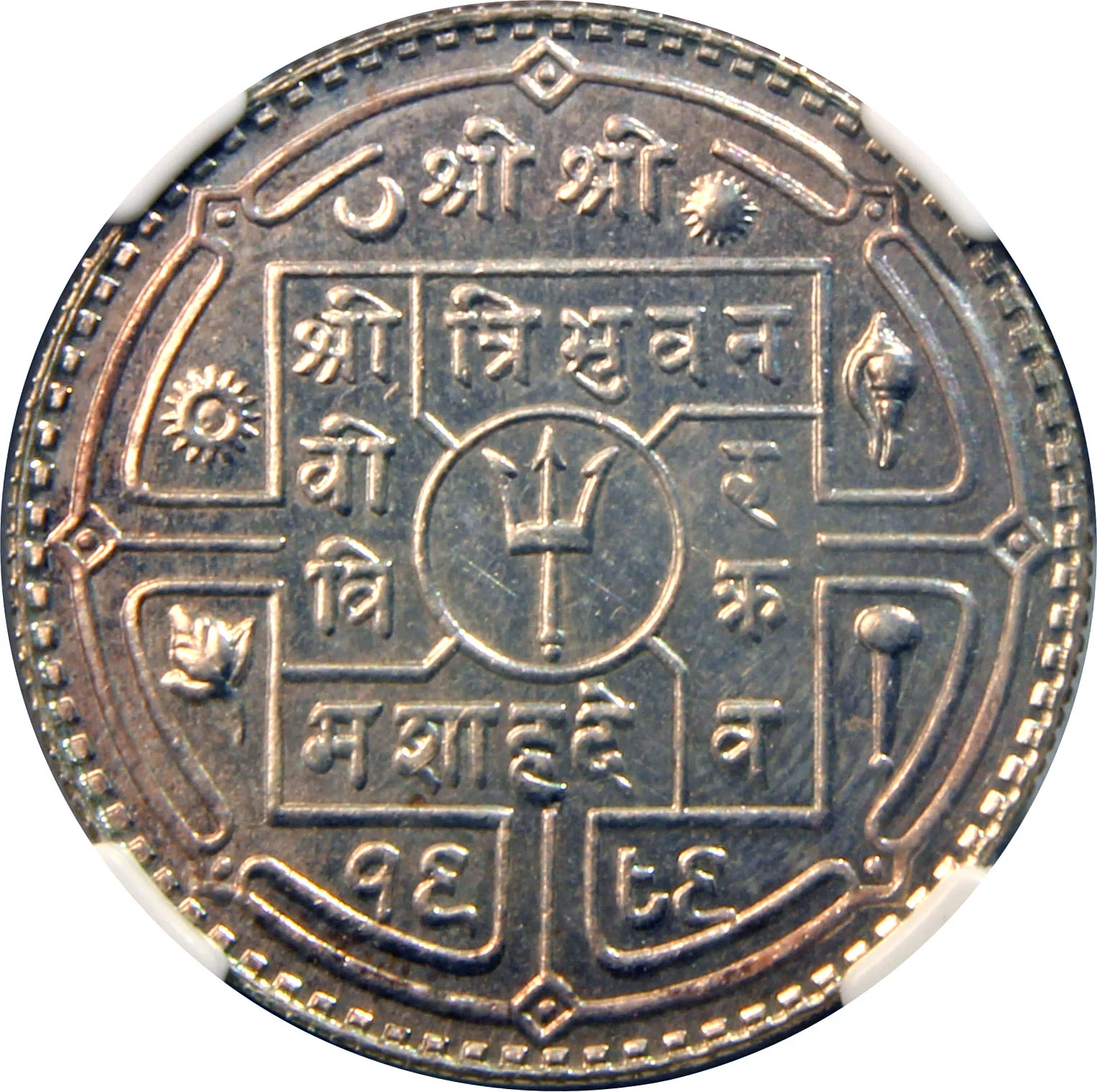
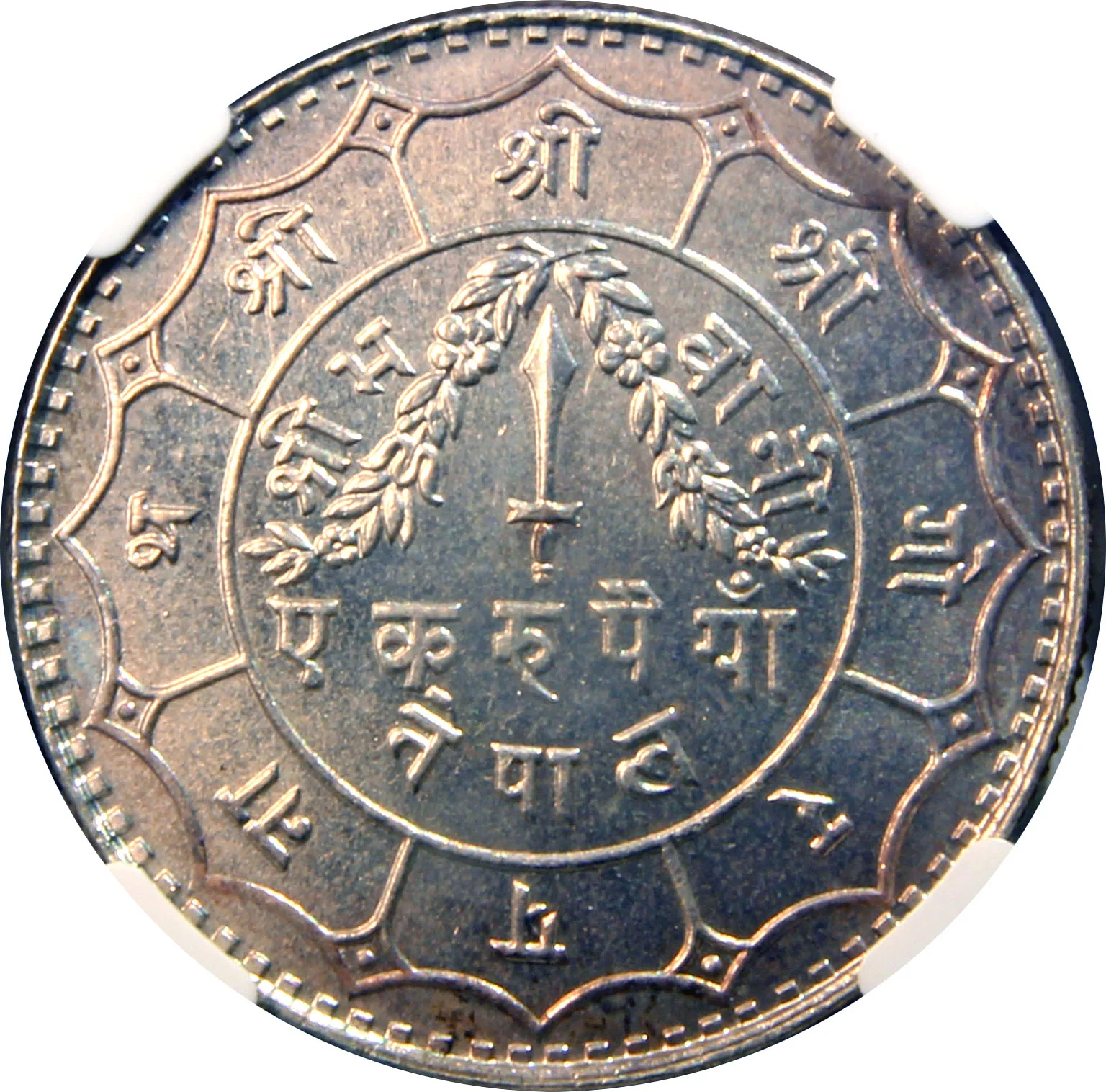
1 rupee – Nepal
Add to wishlist
Nepal
Context
Year: 1932
Vikram Samvat Year:: 1989
Issuer: Nepal
Ruler: Tribhuvan Bir Bikram Shah
Currency:
(since 1932)
Demonetized: Yes
Material
References
KM: #
Numista: #37013
Value
Exchange value: 1 NPR
Bullion value: $22.47
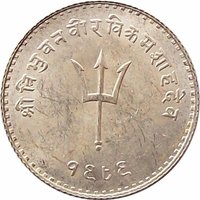
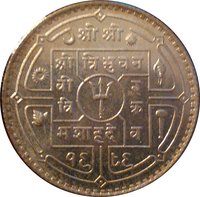
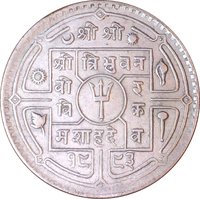
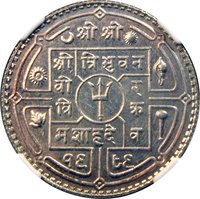
Obverse
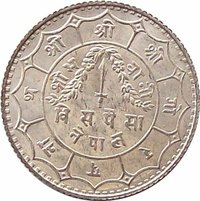
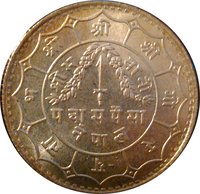
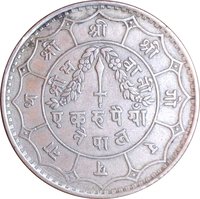
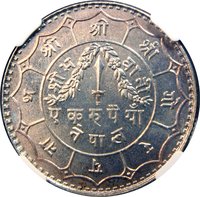
Reverse
Edge
Reeded
Mintings
| Year | Mint Mark | Mintage | Quality | Collection |
|---|---|---|---|---|
| 1932 | — | — |
Historical background
In 1932, Nepal's currency situation was defined by its dual monetary system and its economic subordination to British India. The nation circulated two distinct currencies: the silver Mohar (and its subunit, the Dam), which was the traditional currency for internal transactions and government accounts, and the Nepalese Rupee, introduced in 1932 to facilitate trade with India. This new rupee was pegged at a fixed parity with the Indian Rupee (which was itself on a sterling exchange standard), meaning 1 Nepalese Rupee equaled 1 Indian Rupee. This peg was crucial, as India was Nepal's dominant trading partner, and a stable exchange rate was essential for commerce.
The economy remained predominantly agrarian and isolated, with limited modern banking. The Nepal Rastra Bank, the central bank, would not be established until 1956, so currency issuance and management were under the direct control of the hereditary Rana prime ministers. Coinage, particularly silver mohars, was minted by the state, but the value and stability of the currency were heavily influenced by fiscal policy and the vast reserves held in Indian rupees and British pounds in Calcutta. This link meant that Nepal's monetary stability was effectively outsourced to the British Indian monetary system.
Furthermore, the currency situation reflected Nepal's political reality. The 1930s saw the Rana regime using its accumulated foreign reserves, largely derived from Gurkha military service pensions and trade, to finance lavish imports of luxury goods for the ruling elite rather than domestic development. Consequently, while the 1932 peg provided external stability for cross-border trade, the internal monetary system was complex and the benefits of the nation's hard currency earnings did not filter down to the general population, who largely operated outside the formal monetary economy.
The economy remained predominantly agrarian and isolated, with limited modern banking. The Nepal Rastra Bank, the central bank, would not be established until 1956, so currency issuance and management were under the direct control of the hereditary Rana prime ministers. Coinage, particularly silver mohars, was minted by the state, but the value and stability of the currency were heavily influenced by fiscal policy and the vast reserves held in Indian rupees and British pounds in Calcutta. This link meant that Nepal's monetary stability was effectively outsourced to the British Indian monetary system.
Furthermore, the currency situation reflected Nepal's political reality. The 1930s saw the Rana regime using its accumulated foreign reserves, largely derived from Gurkha military service pensions and trade, to finance lavish imports of luxury goods for the ruling elite rather than domestic development. Consequently, while the 1932 peg provided external stability for cross-border trade, the internal monetary system was complex and the benefits of the nation's hard currency earnings did not filter down to the general population, who largely operated outside the formal monetary economy.
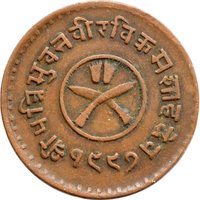
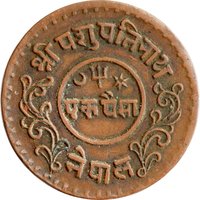
Series: 1932 Nepal circulation coins
💎 Very Rare