

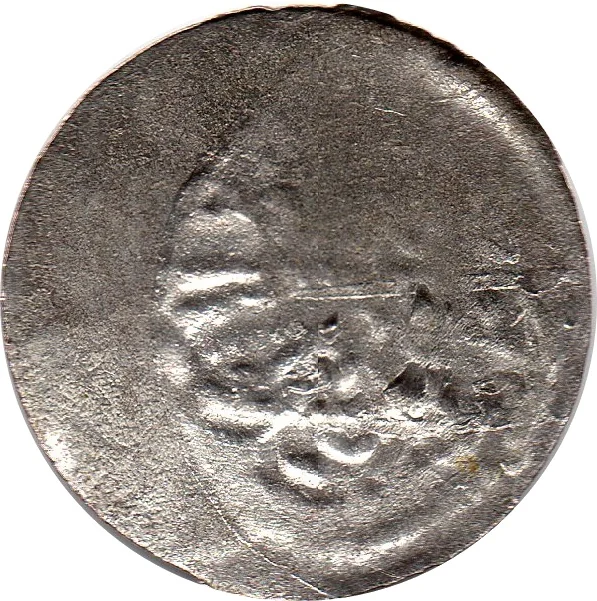
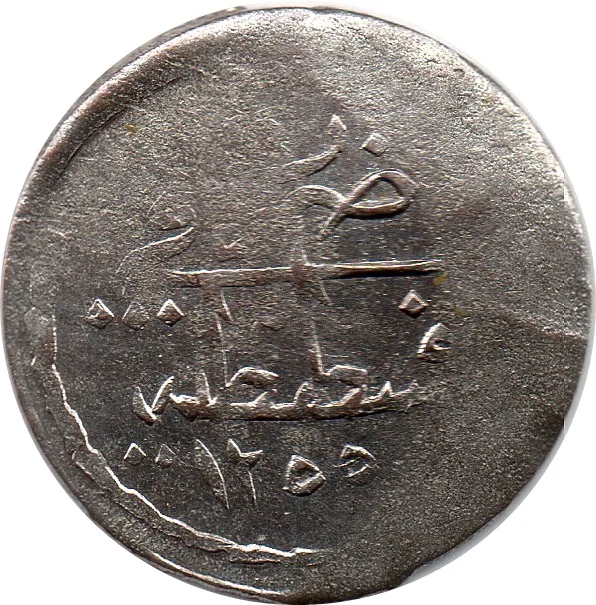
1 para – Ottoman Empire
Add to wishlist
Turkey
Context
Years: 1839–1844
Country: Turkey
Issuer: Ottoman Empire
Ruler: Abdulmejid I
Currency:
(1688—1844)
Demonetized: Yes
Material
References
KM: #
Numista: #36569
Mints
| Name | Mark |
|---|---|
| Constantinople | — |
Mintings
| Year | Mint Mark | Mintage | Quality | Collection |
|---|---|---|---|---|
| 1839 | — | — | ||
| 1840 | — | — | ||
| 1841 | — | — | ||
| 1842 | — | — | ||
| 1843 | — | — | ||
| 1844 | — | — |
Historical background
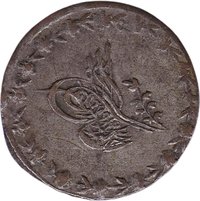
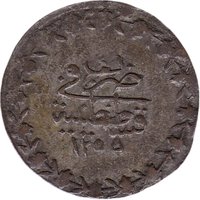
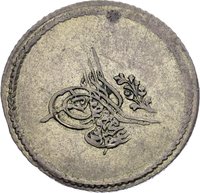
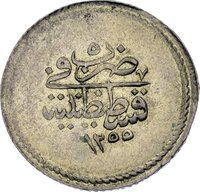
By 1839, the Ottoman Empire's currency system was in a state of severe crisis, a direct reflection of its broader fiscal and political decline. The empire operated on a bimetallic system, based on the altın (gold) and kuruş (silver), but decades of war, territorial losses, and a growing trade deficit had drained state coffers. To finance deficits, successive Sultans had resorted to debasement, repeatedly reducing the silver content of the kuruş. This led to a wide circulation of various foreign and outdated coins, while public confidence in Ottoman money evaporated. The result was a chaotic monetary environment with wildly fluctuating exchange rates and multiple, unofficial valuations for the same coin, severely hampering trade and state administration.
This financial turmoil was compounded by the empire's first major foray into external debt. In 1838, the Baltalimanı Commercial Convention with Britain had further weakened Ottoman economic sovereignty by fixing low import tariffs, reducing a vital revenue stream. Facing bankruptcy and the immense costs of the war with Muhammad Ali of Egypt, the state had taken its first foreign loans from European markets in the 1830s, pledging future revenues as collateral. By 1839, debt servicing was becoming a crushing burden, and the treasury was effectively insolvent, unable to pay its soldiers or bureaucrats reliably with sound currency.
It was within this context of monetary collapse and near state bankruptcy that the Tanzimat reforms were launched in November 1839 with the Gülhane Edict. While the edict focused on guarantees of life, property, and regularized taxation, the currency crisis was a primary catalyst. The reforms promised a fundamental restructuring of the Ottoman state, with the establishment of a modern, centralized financial system being an urgent priority. Thus, 1839 represents the nadir of the old, debased monetary order and the proclaimed beginning of a new era aimed at creating stable, uniform currency and restoring fiscal credibility, albeit with a long and difficult road ahead.
This financial turmoil was compounded by the empire's first major foray into external debt. In 1838, the Baltalimanı Commercial Convention with Britain had further weakened Ottoman economic sovereignty by fixing low import tariffs, reducing a vital revenue stream. Facing bankruptcy and the immense costs of the war with Muhammad Ali of Egypt, the state had taken its first foreign loans from European markets in the 1830s, pledging future revenues as collateral. By 1839, debt servicing was becoming a crushing burden, and the treasury was effectively insolvent, unable to pay its soldiers or bureaucrats reliably with sound currency.
It was within this context of monetary collapse and near state bankruptcy that the Tanzimat reforms were launched in November 1839 with the Gülhane Edict. While the edict focused on guarantees of life, property, and regularized taxation, the currency crisis was a primary catalyst. The reforms promised a fundamental restructuring of the Ottoman state, with the establishment of a modern, centralized financial system being an urgent priority. Thus, 1839 represents the nadir of the old, debased monetary order and the proclaimed beginning of a new era aimed at creating stable, uniform currency and restoring fiscal credibility, albeit with a long and difficult road ahead.
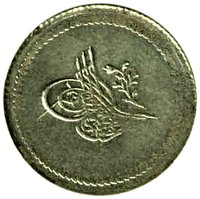
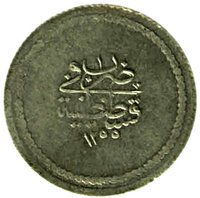
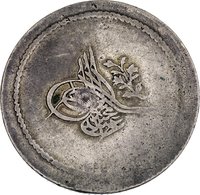
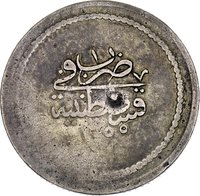
⭐ Rare