

2 rumi altin – Ottoman Empire
Add to wishlist
Turkey
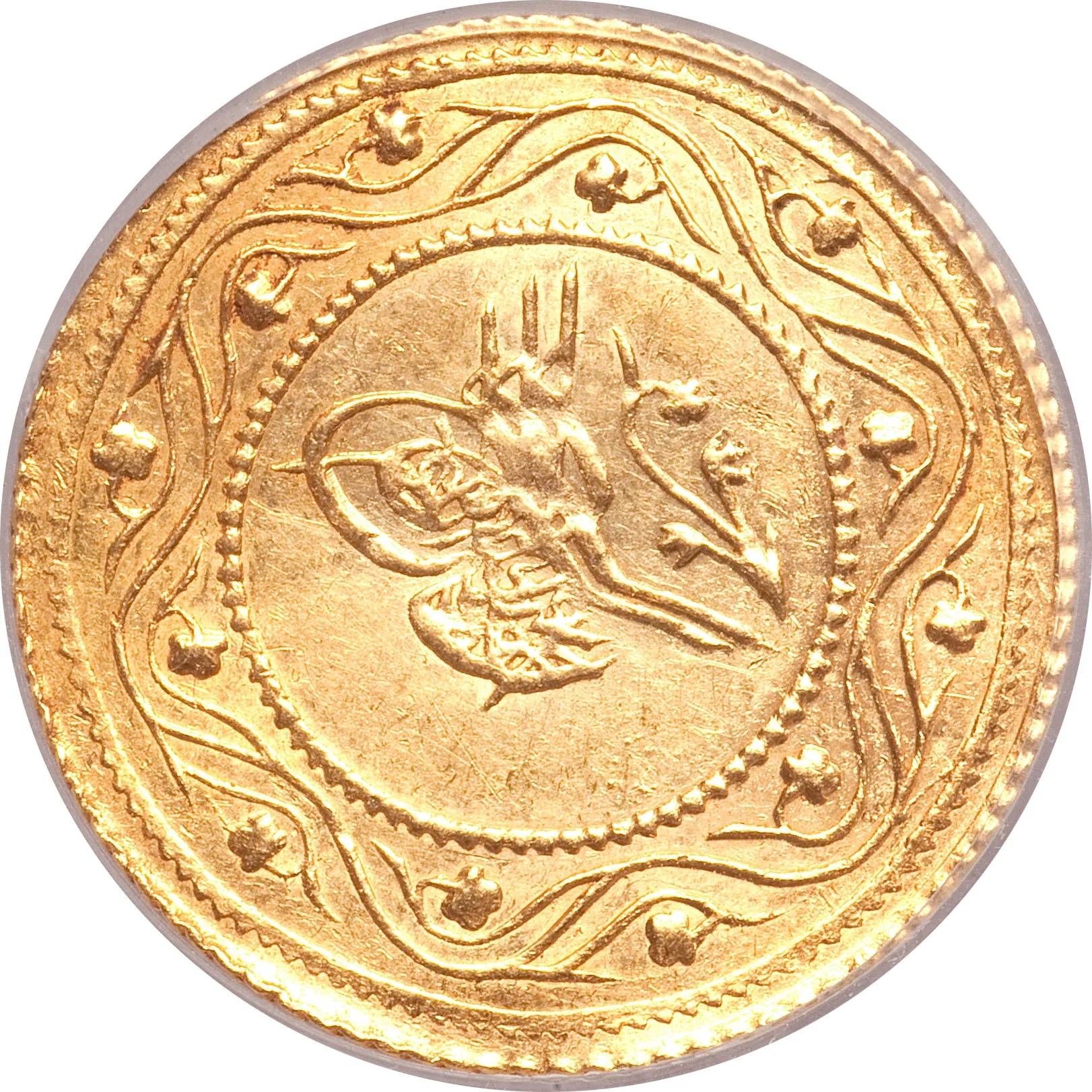
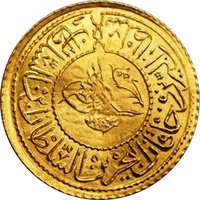
Obverse
Description:
Weight: 4.70–4.80g. Toughra within beaded circle.
Script: Arabic
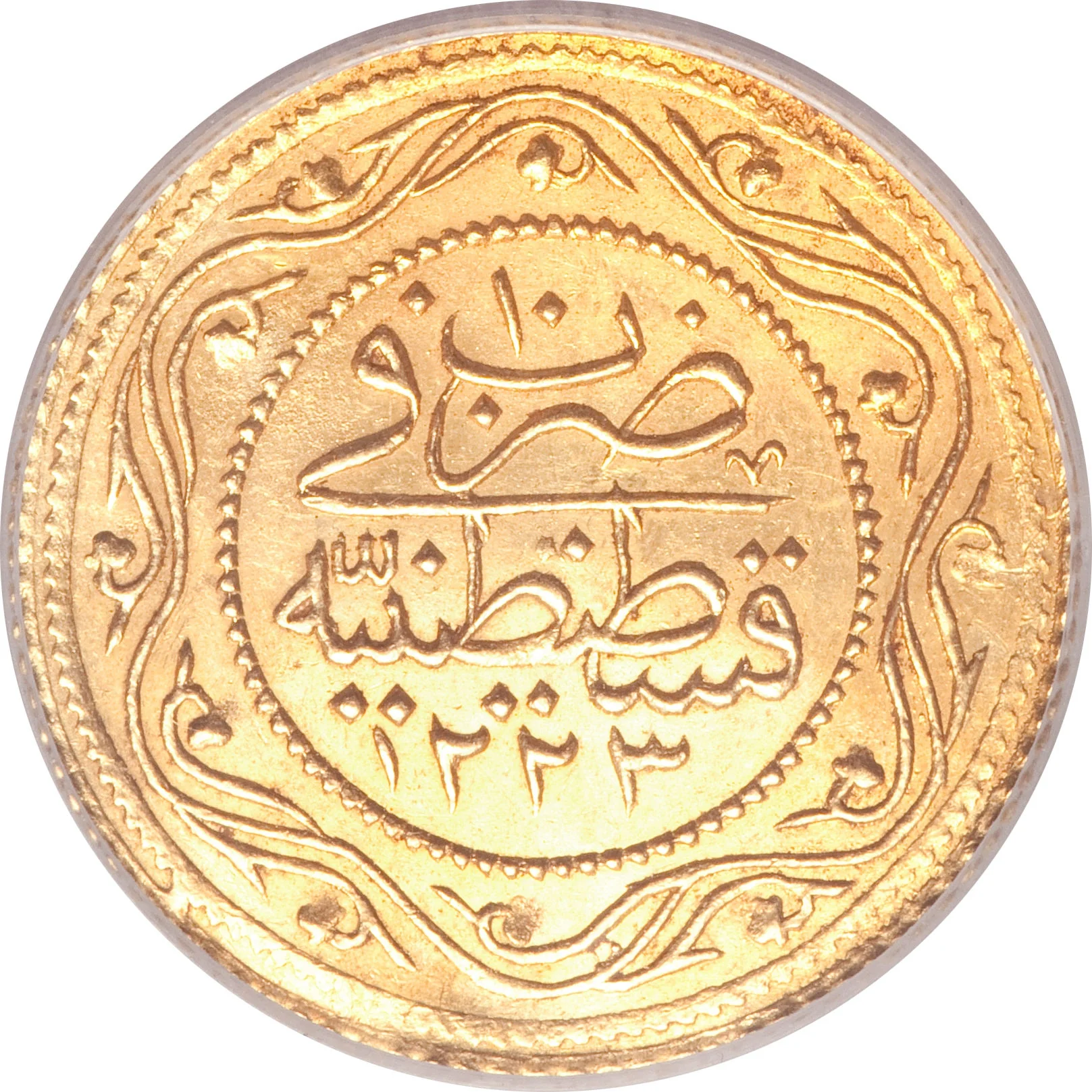
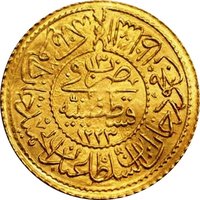
Reverse
Description:
Text, date, and value encircled by ornate beading.
Script: Arabic
Edge
Mints
| Name | Mark |
|---|---|
| Constantinople | — |
Mintings
| Year | Mint Mark | Mintage | Quality | Collection |
|---|---|---|---|---|
| 1815 | — | — | ||
| 1816 | — | — | ||
| 1817 | — | — | ||
| 1818 | — | — | ||
| 1819 | — | — | ||
| 1820 | — | — | ||
| 1821 | — | — |
Historical background
By 1815, the Ottoman Empire's currency system was in a state of profound crisis and transition, a reflection of its broader geopolitical and economic decline. The empire operated on a bimetallic system, with the gold altın and the silver kuruş (piastre) as the primary units. However, decades of costly wars, territorial losses, and a stagnant economic model had led to chronic budget deficits. The state’s traditional response was severe debasement, repeatedly reducing the silver content of the kuruş to fund its expenses. This resulted in a severe loss of confidence in the coinage, with various older, purer coins circulating alongside newer, debased ones at differing values, creating a chaotic and inefficient monetary environment.
The situation was further complicated by the widespread circulation of foreign currencies within the empire, particularly in major port cities and trade centers. European gold and silver coins, especially the Austrian thaler and Spanish real, were often preferred for large transactions due to their stable metallic content. This "currency substitution" was a clear sign of the failure of Ottoman monetary authority and the integration of the empire into European-dominated global trade networks on unfavorable terms. Internally, the unreliable coinage disrupted tax collection, exacerbated inflation for the common populace, and hindered commercial activity.
Recognizing the destabilizing effects of this monetary anarchy, the Ottoman state under Sultan Mahmud II had already begun attempts at reform. Efforts to standardize the coinage were initiated, though with limited success due to a lack of central control over provincial mints and persistent fiscal shortfalls. The year 1815 thus represents a pivotal moment on the eve of more concerted modernization efforts. The currency chaos of this period underscored the urgent need for the centralizing reforms of the later Tanzimat era, which would eventually introduce the first Ottoman paper money (kaime) in the 1840s and lay the groundwork for a more unified monetary system.
The situation was further complicated by the widespread circulation of foreign currencies within the empire, particularly in major port cities and trade centers. European gold and silver coins, especially the Austrian thaler and Spanish real, were often preferred for large transactions due to their stable metallic content. This "currency substitution" was a clear sign of the failure of Ottoman monetary authority and the integration of the empire into European-dominated global trade networks on unfavorable terms. Internally, the unreliable coinage disrupted tax collection, exacerbated inflation for the common populace, and hindered commercial activity.
Recognizing the destabilizing effects of this monetary anarchy, the Ottoman state under Sultan Mahmud II had already begun attempts at reform. Efforts to standardize the coinage were initiated, though with limited success due to a lack of central control over provincial mints and persistent fiscal shortfalls. The year 1815 thus represents a pivotal moment on the eve of more concerted modernization efforts. The currency chaos of this period underscored the urgent need for the centralizing reforms of the later Tanzimat era, which would eventually introduce the first Ottoman paper money (kaime) in the 1840s and lay the groundwork for a more unified monetary system.
💎 Extremely Rare