

¼ zeri mahbub – Ottoman Empire
Add to wishlist
Turkey
Context
Years: 1813–1820
Country: Turkey
Issuer: Ottoman Empire
Ruler: Mahmud II
Currency:
(1688—1844)
Demonetized: Yes
Material
References
KM: #
Numista: #98939
Value
Bullion value: $128.49
Obverse
Description:
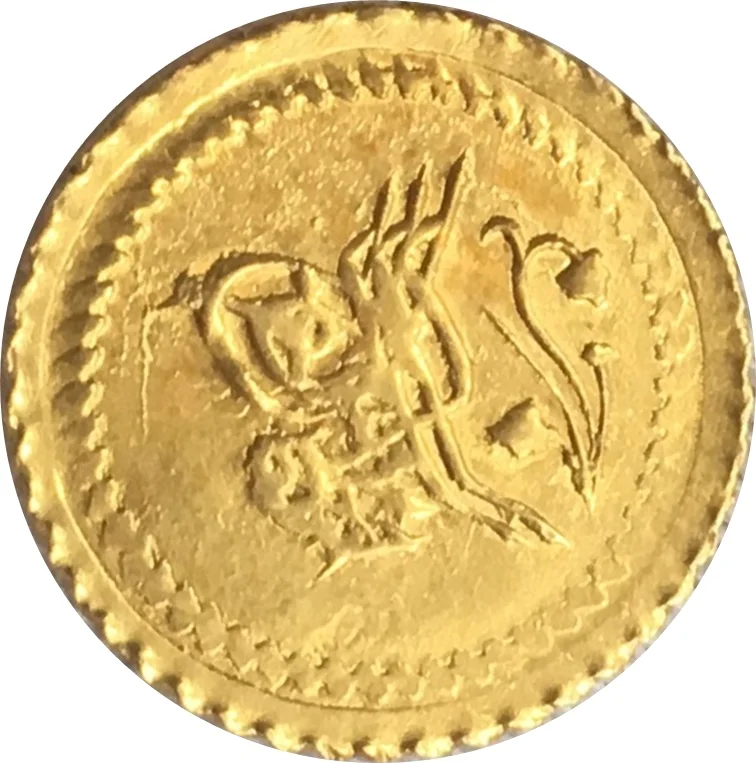
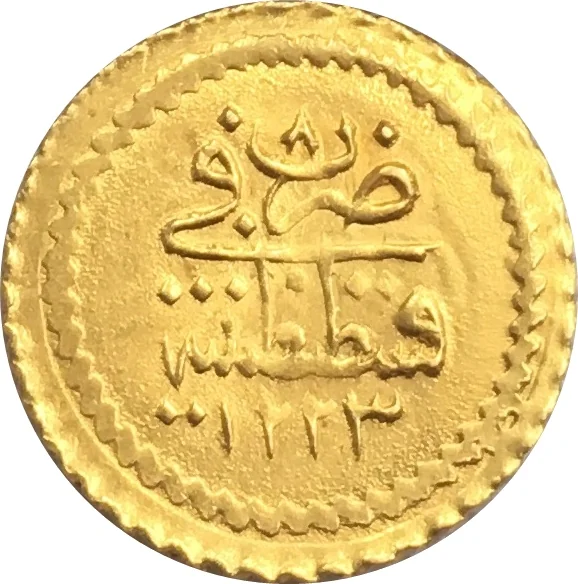
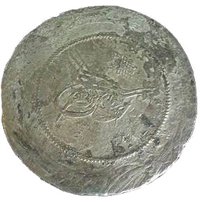
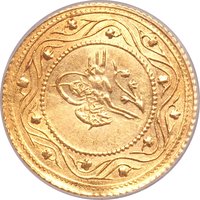
Toughra center, Type II rose branch right.
Script: Arabic
Reverse
Edge
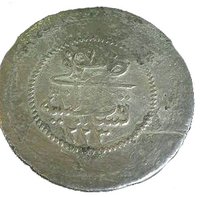
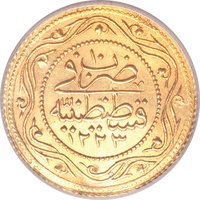
Oblique reeding
Mints
| Name | Mark |
|---|---|
| Constantinople | — |
Mintings
| Year | Mint Mark | Mintage | Quality | Collection |
|---|---|---|---|---|
| 1813 | — | — | ||
| 1814 | — | — | ||
| 1815 | — | — | ||
| 1816 | — | — | ||
| 1817 | — | — | ||
| 1818 | — | — | ||
| 1819 | — | — | ||
| 1820 | — | — |
Historical background
In 1813, the Ottoman Empire's currency system was in a state of profound disarray, a direct consequence of prolonged warfare, fiscal desperation, and a deep-seated monetary crisis. The empire had been embroiled in nearly continuous conflict, including the recent Russo-Turkish War (1806-1812) and internal rebellions, which drained the treasury and led to severe debasement of the primary silver coin, the kuruş. Successive Sultans, lacking sufficient silver reserves, had drastically reduced the silver content of newly minted coins to fund state expenses, creating a chaotic circulation of older, purer coins and newer, debased ones. This practice, known as tağşiş, destroyed public confidence, as people hoarded old coins and rejected new ones, leading to multiple exchange rates and widespread economic uncertainty.
The monetary landscape was a complex and fragmented patchwork. Alongside the official Ottoman coinage, a vast array of foreign currencies—especially Austrian thalers, Spanish dollars, and Dutch lion dollars—circulated freely and were often preferred for their reliable silver content. These foreign coins were essential for both international trade and large domestic transactions, underscoring the state's loss of monetary sovereignty. Furthermore, the empire lacked a unified, standardized coinage; provincial mints operated with some autonomy, and the widespread use of debased copper mangır for small daily transactions added another layer of complexity to an already unstable system.
This currency instability had severe socioeconomic consequences. It disrupted trade, encouraged speculation, and caused price inflation that disproportionately burdened the common people and salaried officials, including the Janissaries, whose fixed pay in devalued currency fueled discontent. The chronic shortage of sound money also stifled economic development and complicated tax collection, as the state itself struggled to ascertain the real value of its revenues. Thus, in 1813, the Ottoman monetary system was not merely an economic issue but a critical symptom of the empire's broader administrative and structural weaknesses, highlighting an urgent need for reform that would only be tentatively addressed in the coming decades under Sultan Mahmud II.
The monetary landscape was a complex and fragmented patchwork. Alongside the official Ottoman coinage, a vast array of foreign currencies—especially Austrian thalers, Spanish dollars, and Dutch lion dollars—circulated freely and were often preferred for their reliable silver content. These foreign coins were essential for both international trade and large domestic transactions, underscoring the state's loss of monetary sovereignty. Furthermore, the empire lacked a unified, standardized coinage; provincial mints operated with some autonomy, and the widespread use of debased copper mangır for small daily transactions added another layer of complexity to an already unstable system.
This currency instability had severe socioeconomic consequences. It disrupted trade, encouraged speculation, and caused price inflation that disproportionately burdened the common people and salaried officials, including the Janissaries, whose fixed pay in devalued currency fueled discontent. The chronic shortage of sound money also stifled economic development and complicated tax collection, as the state itself struggled to ascertain the real value of its revenues. Thus, in 1813, the Ottoman monetary system was not merely an economic issue but a critical symptom of the empire's broader administrative and structural weaknesses, highlighting an urgent need for reform that would only be tentatively addressed in the coming decades under Sultan Mahmud II.
💎 Very Rare