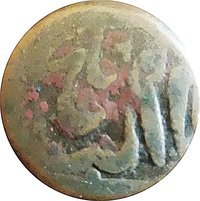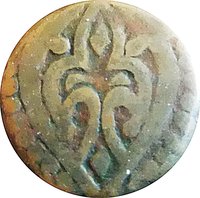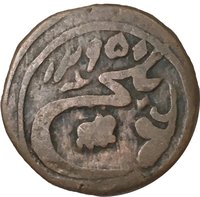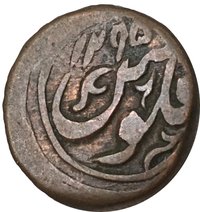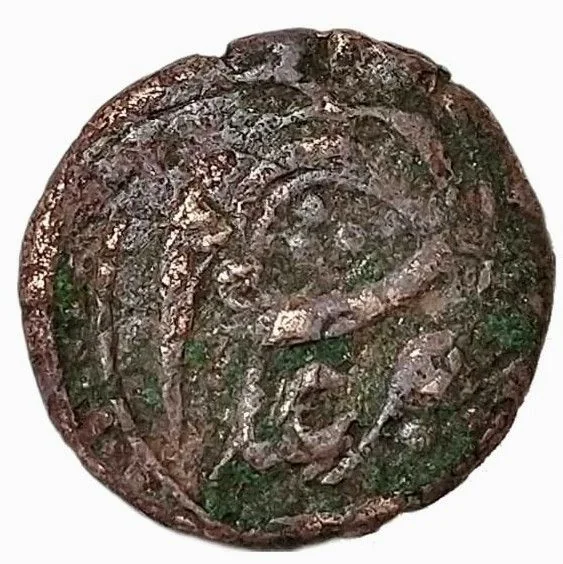
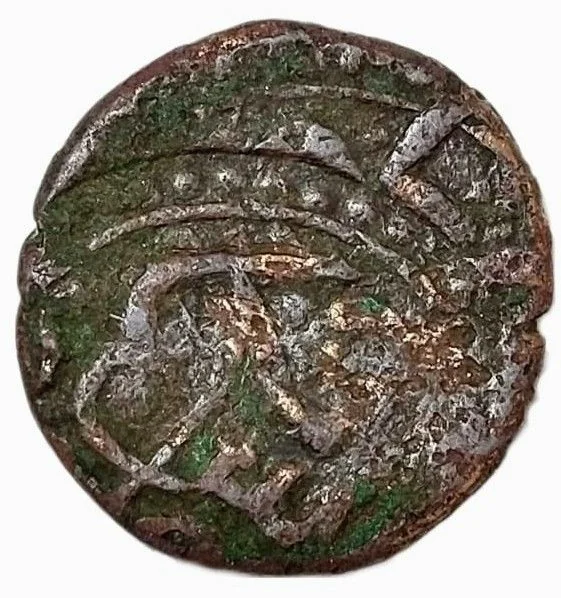
In 1863, the city of Balkh, a historic trade hub in northern Afghanistan, operated within a complex and fragmented monetary environment characteristic of the wider region. As part of the Emirate of Afghanistan under Dost Mohammad Khan, the city lacked a unified, modern currency system. Instead, its economy relied on a diverse mix of circulating coinage, including older Afghan and Persian silver rupees (mohurs), Indian rupees from British India, Bukharan tenga, and even older Mughal and Safavid coins. This multiplicity reflected Balkh's position on the Silk Road, where long-distance trade demanded acceptance of various foreign currencies.
The primary unit of account was the Kabuli rupee, issued by the central authority in Kabul, but its supply was irregular and its acceptance inconsistent. Counterfeiting was rampant, and the value of coins depended heavily on their weight and silver content, leading to constant assay and negotiation in transactions. Furthermore, the political instability following Dost Mohammad Khan’s death in 1863 and the subsequent succession struggles likely disrupted any tentative efforts at monetary standardization, exacerbating the uncertainty for merchants and residents alike.
Consequently, the currency situation in Balkh was one of practical, if cumbersome, pluralism. Money changers (
sarraf) held essential positions in the bazaar, facilitating trade by evaluating and exchanging this heterogeneous mix of specie. This system, while adaptable to cross-border commerce, imposed transaction costs and risks, hindering larger-scale economic development and tying the city’s financial well-being to the volatile politics of the Afghan state and the fluctuating silver supplies from regional empires.