

Obverse
Description:
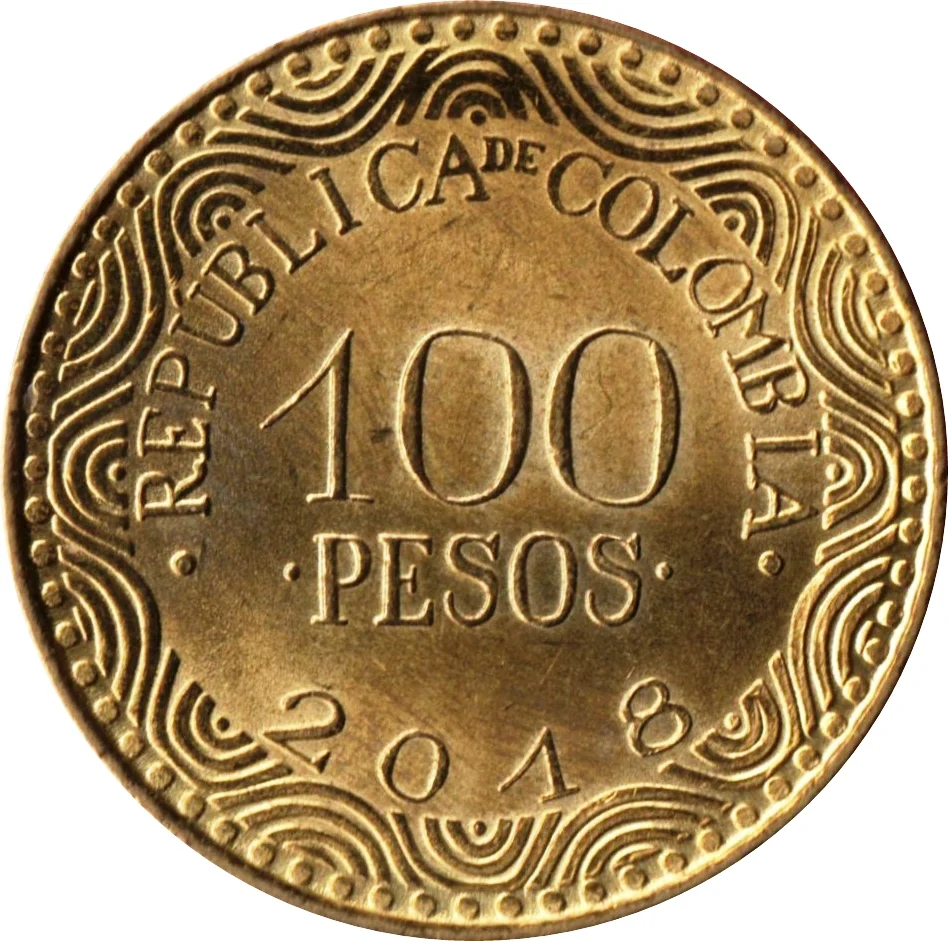
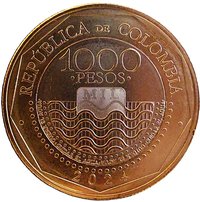
Country above, date below, value centered.
Inscription:
·REPÚBLICA DE COLOMBIA·
100
·PESOS·
2018
100
·PESOS·
2018
Translation:
REPUBLIC OF COLOMBIA
100
PESOS
2018
100
PESOS
2018
Script: Latin
Language: Spanish
Designer: José Antonio Suárez
Reverse
Description:
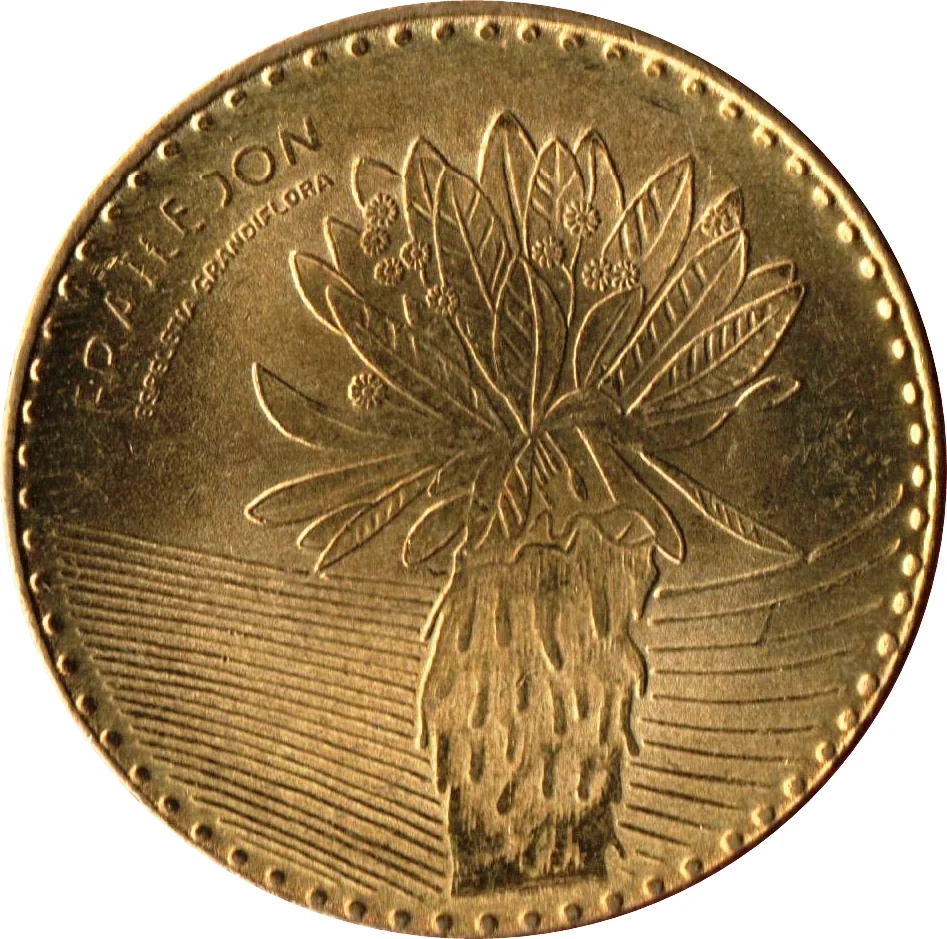
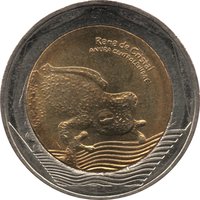
Frailejón plant (Espeletia spp.) to the left.
Inscription:
FRAILEJÓN
ESPELETIA GRANDIFLORA
ESPELETIA GRANDIFLORA
Translation:
FRAILEJÓN
ESPELETIA GRANDIFLORA
ESPELETIA GRANDIFLORA
Script: Latin
Language: Spanish
Designer: Johanna Calle
Edge
Plain
Mints
| Name | Mark |
|---|---|
| Fábrica de Moneda de Ibagué | — |
| Kremnica | — |
| Mint of Poland | — |
| Saint Petersburg | — |
Mintings
| Year | Mint Mark | Mintage | Quality | Collection |
|---|---|---|---|---|
| 2012 | — | 72,000,000 | ||
| 2013 | — | 104,000,000 | ||
| 2014 | — | 150,000,000 | ||
| 2015 | — | 215,400,000 | ||
| 2016 | — | 449,300,000 | ||
| 2017 | — | 230,600,000 | ||
| 2018 | — | 66,526,000 | ||
| 2019 | — | 12,200,000 | ||
| 2020 | — | 88,200,000 | ||
| 2021 | — | 147,400,000 | ||
| 2022 | — | 154,800,000 | ||
| 2023 | — | 216,400,000 | ||
| 2024 | — | 236,704,000 | ||
| 2025 | — | — |
Historical background
In 2012, Colombia's currency situation was characterized by a period of significant and sustained appreciation of the Colombian peso (COP) against the US dollar, a trend that had been building since 2009. The peso strengthened to around 1,800 COP per USD, a level not seen in years, driven primarily by high global commodity prices, particularly for oil and coal, which are Colombia's chief exports. This influx of foreign currency was compounded by substantial foreign direct investment (FDI) flowing into the country's booming mining and energy sectors, as well as portfolio investment attracted by Colombia's strong economic growth and rising investment-grade credit ratings.
The strong peso created a complex economic dilemma. While it helped keep inflation low (around 3% for the year) and made imports cheaper, it severely hurt the competitiveness of non-commodity exporters, such as manufacturers, flower growers, and the coffee sector. Industries complained of shrinking profit margins and lost market share, leading to calls for government intervention. Furthermore, the appreciation raised concerns about "Dutch disease," where a resource-driven currency surge undermines other productive sectors of the economy, threatening long-term, diversified growth.
In response, the government and the Central Bank (Banco de la República) implemented a multi-pronged strategy to curb the peso's rise. The most notable measure was a daily dollar purchasing program, initiated in February 2012, where the Bank accumulated foreign reserves to increase demand for dollars. Additionally, the government mandated that state-owned oil company Ecopetrol and private pension funds keep a larger share of their assets abroad. These interventions aimed to moderate the pace of appreciation, provide stability, and alleviate pressure on exporters, reflecting a cautious approach to managing the side effects of robust economic inflows.
The strong peso created a complex economic dilemma. While it helped keep inflation low (around 3% for the year) and made imports cheaper, it severely hurt the competitiveness of non-commodity exporters, such as manufacturers, flower growers, and the coffee sector. Industries complained of shrinking profit margins and lost market share, leading to calls for government intervention. Furthermore, the appreciation raised concerns about "Dutch disease," where a resource-driven currency surge undermines other productive sectors of the economy, threatening long-term, diversified growth.
In response, the government and the Central Bank (Banco de la República) implemented a multi-pronged strategy to curb the peso's rise. The most notable measure was a daily dollar purchasing program, initiated in February 2012, where the Bank accumulated foreign reserves to increase demand for dollars. Additionally, the government mandated that state-owned oil company Ecopetrol and private pension funds keep a larger share of their assets abroad. These interventions aimed to moderate the pace of appreciation, provide stability, and alleviate pressure on exporters, reflecting a cautious approach to managing the side effects of robust economic inflows.
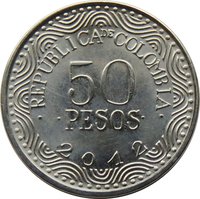
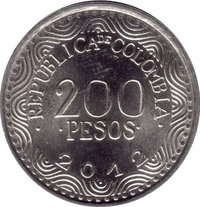
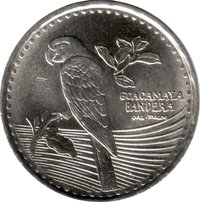
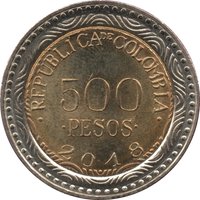
Series: 2012 Colombia circulation coins

🌱 Very Common