

1 pound – Jersey
Add to wishlist
Context
Year: 1987
Country: British Crown dependencies
Issuer: Jersey
Ruler: Elizabeth II
Currency:
(since 1971)
Demonetization: 15 October 2017
Total mintage: 2,500
Material
References
KM: #
Numista: #346405
Value
Exchange value: 1 JEP
Bullion value: $27.12
Obverse
Description:
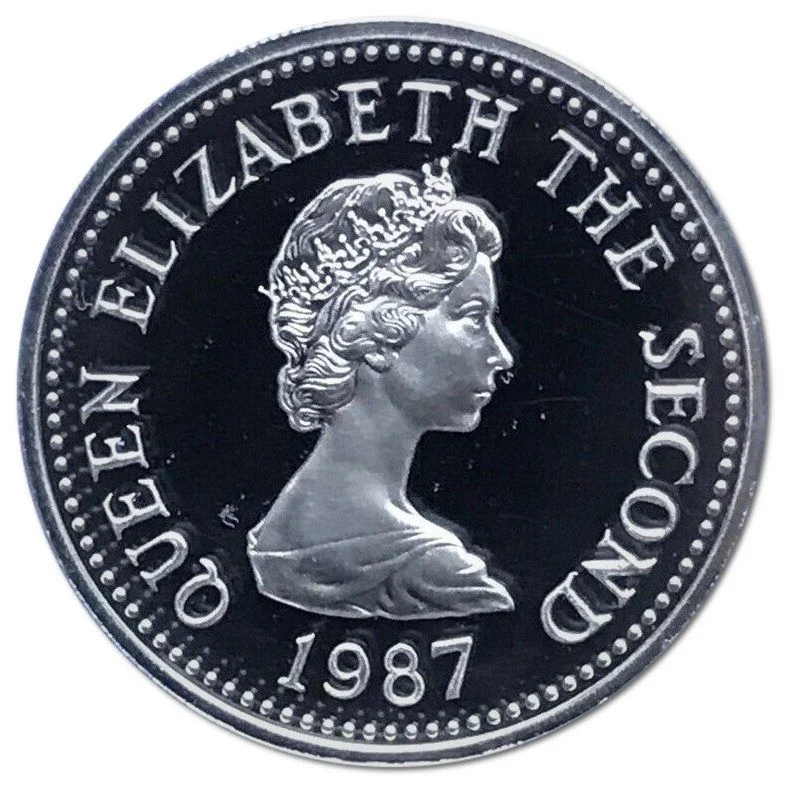
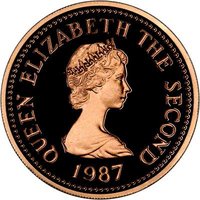
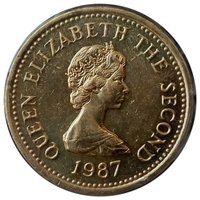
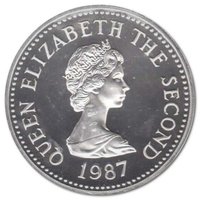
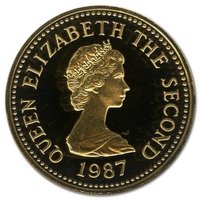
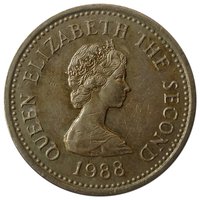
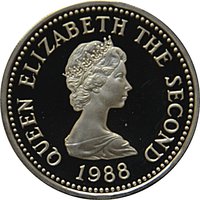
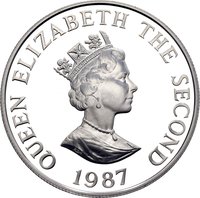
Queen Elizabeth II in profile, wearing the Girls of Great Britain tiara.
Inscription:
QUEEN ELIZABETH THE SECOND
1987
1987
Script: Latin
Engraver: Arnold Machin
Reverse
Description:
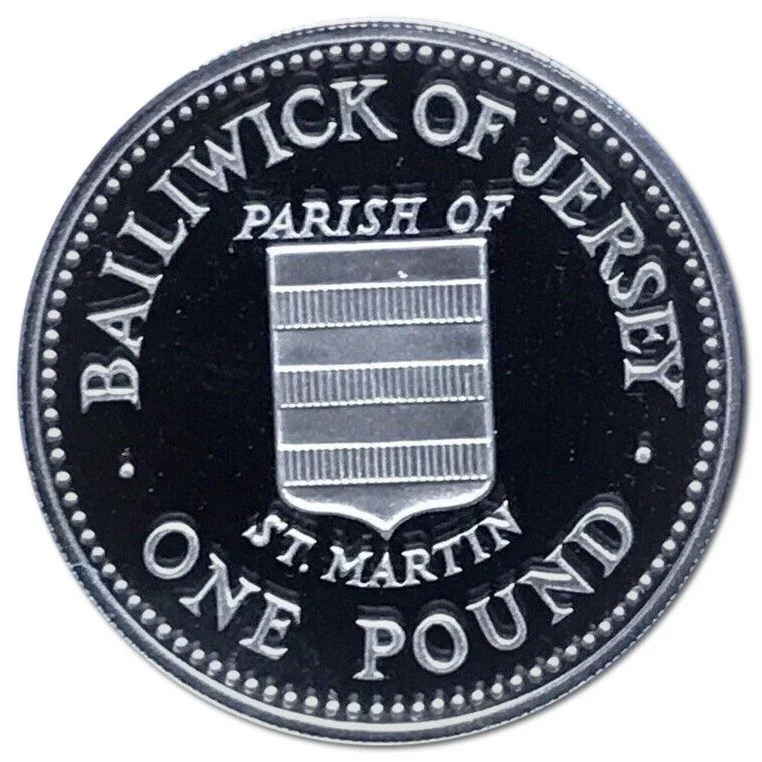
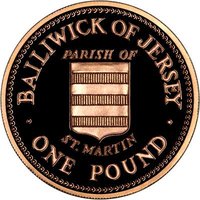
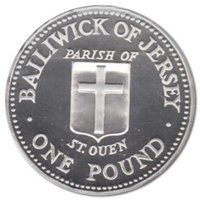
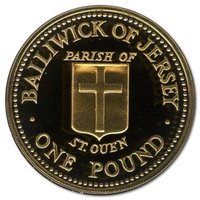
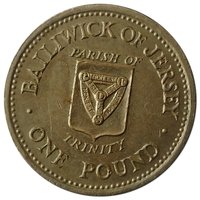
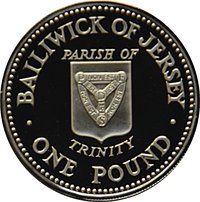
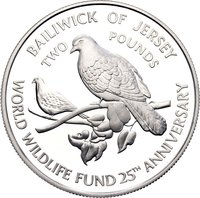
Shield of St. Martin's Parish with alternating horizontal bands.
Inscription:
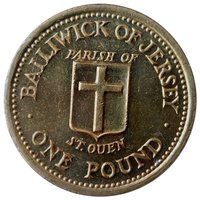
BAILIWICK OF JERSEY
PARISH OF
ST. MARTIN
· ONE POUND ·
PARISH OF
ST. MARTIN
· ONE POUND ·
Script: Latin
Edge
Milled with inscription
Legend:
CAESAREA INSULA
Mints
| Name | Mark |
|---|---|
| Royal Mint | — |
Mintings
| Year | Mint Mark | Mintage | Quality | Collection |
|---|---|---|---|---|
| 1987 | — | 2,500 | Proof |
Historical background
In 1987, the currency situation in Jersey was defined by its long-standing and pragmatic relationship with the British pound sterling. The island, as a British Crown Dependency with its own government and fiscal autonomy, issued its own distinctive banknotes and coins. However, these were not a separate currency but local issues of sterling, pegged at par with the UK pound. This meant Jersey currency and UK currency were legally interchangeable and accepted on the island, providing stability and simplifying trade and tourism with its largest partner.
The period was one of consolidation rather than dramatic change. The States of Jersey had taken full control of its note issue from the commercial banks in 1964, and by 1987, its notes featured increasingly modern designs and security features, though they still bore the portrait of Queen Elizabeth II. Economically, the island was developing its finance sector, and the stable, familiar sterling link provided a crucial foundation of monetary credibility for this growth, avoiding the uncertainties of a floating independent currency.
There was no active debate about abandoning the sterling link in 1987; the arrangement was overwhelmingly seen as advantageous. The key considerations were maintaining this stability while asserting a degree of national identity through its own coinage and note designs. Therefore, the "situation" was characterised by a successful and managed dependency on UK monetary policy, with Jersey exercising its privilege to produce its own tangible currency within that framework, a system that remained firmly in place.
The period was one of consolidation rather than dramatic change. The States of Jersey had taken full control of its note issue from the commercial banks in 1964, and by 1987, its notes featured increasingly modern designs and security features, though they still bore the portrait of Queen Elizabeth II. Economically, the island was developing its finance sector, and the stable, familiar sterling link provided a crucial foundation of monetary credibility for this growth, avoiding the uncertainties of a floating independent currency.
There was no active debate about abandoning the sterling link in 1987; the arrangement was overwhelmingly seen as advantageous. The key considerations were maintaining this stability while asserting a degree of national identity through its own coinage and note designs. Therefore, the "situation" was characterised by a successful and managed dependency on UK monetary policy, with Jersey exercising its privilege to produce its own tangible currency within that framework, a system that remained firmly in place.
Series: Parishes of Jersey
💎 Extremely Rare