

1 pound – Jersey
Add to wishlist
Context
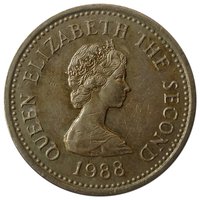
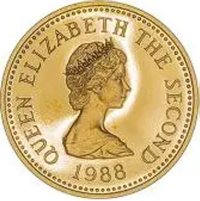
Year: 1988
Country: British Crown dependencies
Issuer: Jersey
Ruler: Elizabeth II
Currency:
(since 1971)
Demonetized: Yes
Total mintage: 2,500
Material
References
KM: #
Numista: #167043
Value
Exchange value: 1 JEP
Bullion value: $27.12
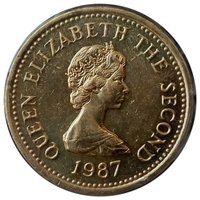
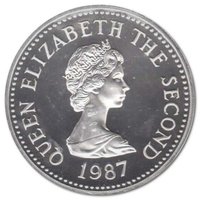
Obverse
Description:
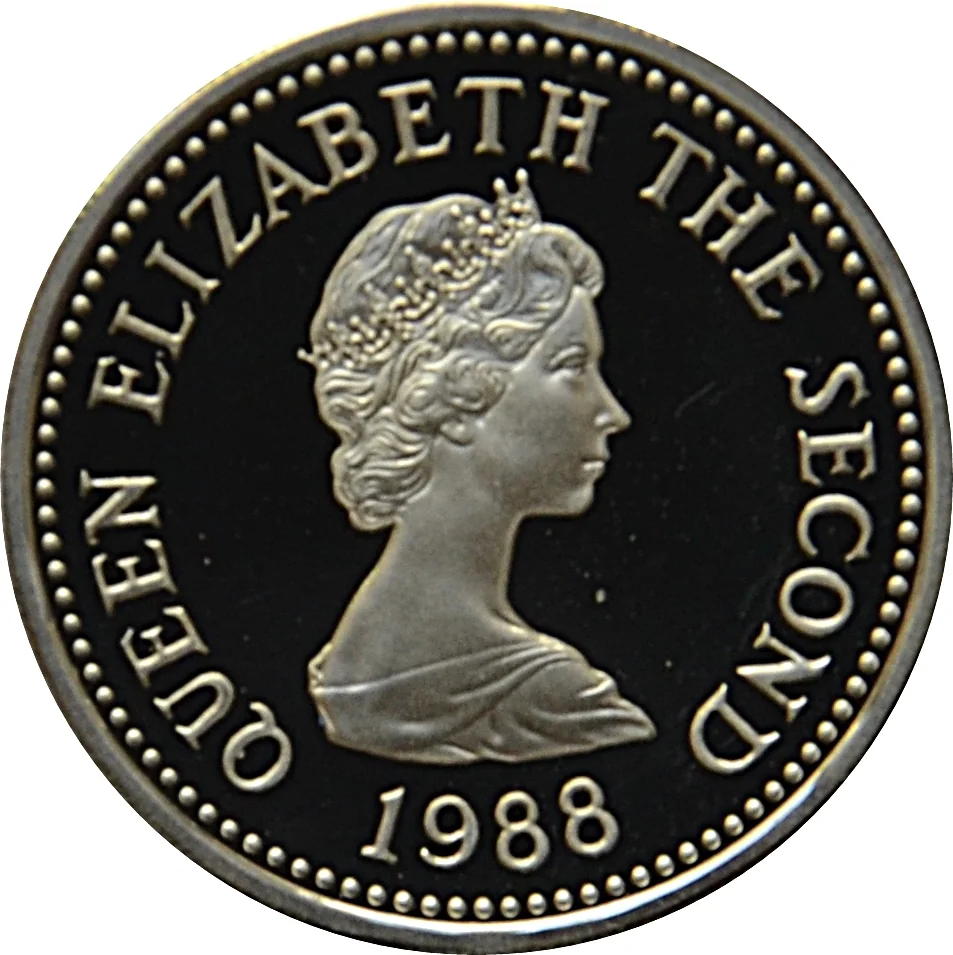
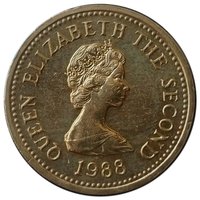
Queen Elizabeth II in profile, wearing the Girls of Great Britain tiara.
Inscription:
QUEEN ELIZABETH THE SECOND
1988
1988
Script: Latin
Engraver: Arnold Machin
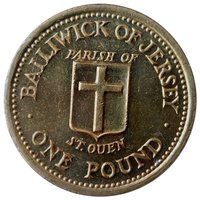
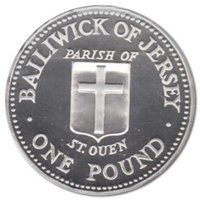
Reverse
Description:
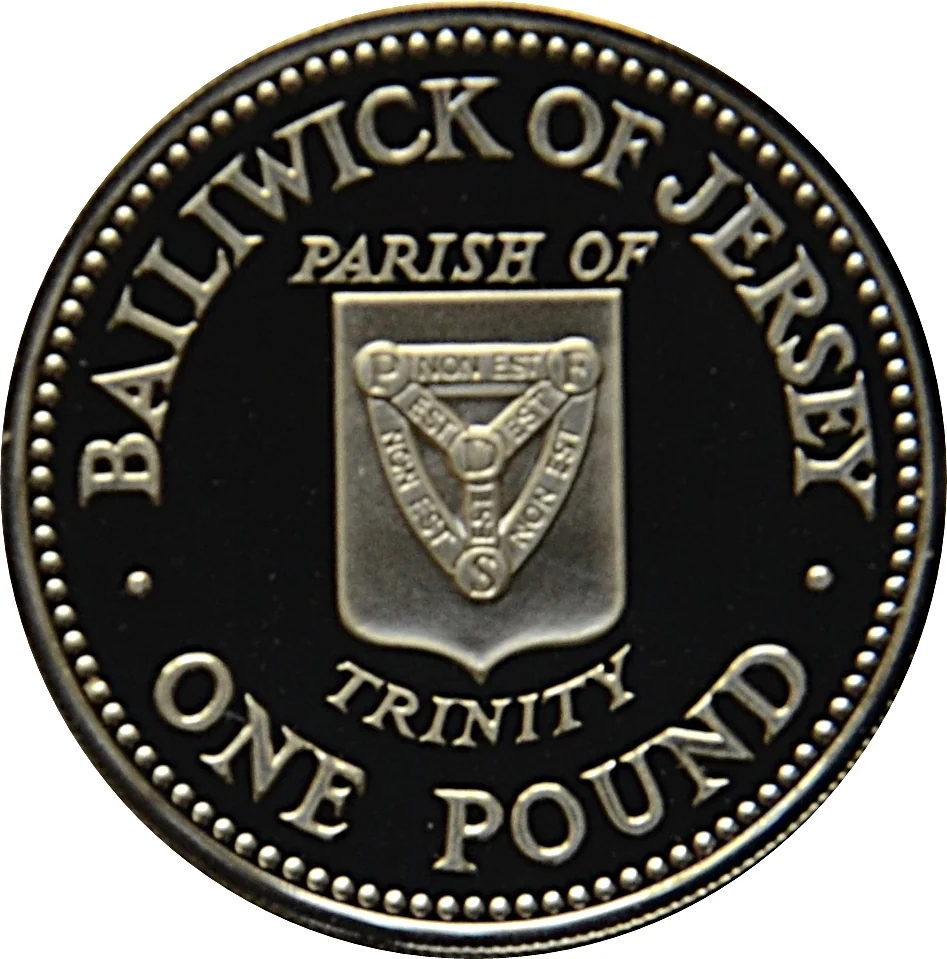
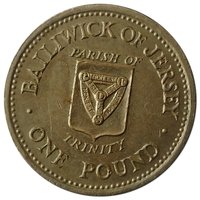
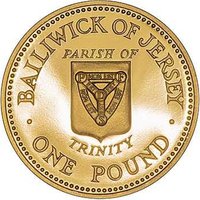
Shield of Trinity Parish, depicting the Holy Trinity.
Inscription:
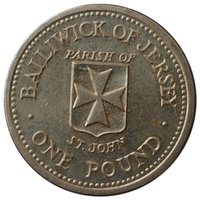
BAILIWICK OF JERSEY
PARISH OF
TRINITY
· ONE POUND ·
PARISH OF
TRINITY
· ONE POUND ·
Script: Latin
Edge
Milled with inscription
Legend:
CAESAREA INSULA
Mints
| Name | Mark |
|---|---|
| Royal Mint | — |
Mintings
| Year | Mint Mark | Mintage | Quality | Collection |
|---|---|---|---|---|
| 1988 | — | 2,500 | Proof |
Historical background
In 1988, the currency situation in Jersey was characterised by a stable and long-standing alignment with the United Kingdom, but with a unique local dimension. As a Crown Dependency, Jersey was not part of the UK but had its monetary system pegged to sterling. The island issued its own banknotes and coins, denominated in pounds sterling, which circulated alongside Bank of England notes and UK coinage. This system provided economic stability and facilitated seamless trade with Jersey's largest partner, while also symbolising its distinct political identity.
The period saw no major currency crisis or devaluation, as Jersey's economy was relatively robust, benefiting from a growing finance sector and tourism. However, the context of the late 1980s was one of high interest rates and inflationary pressures in the UK, driven by the policies of the Thatcher government. These conditions indirectly affected Jersey, influencing mortgage rates and the cost of imports. The island's authorities maintained a cautious approach, managing the money supply for local needs while relying on the UK's broader monetary policy to anchor value.
Ultimately, the 1988 currency situation underscored Jersey's hybrid status: a dependency with significant fiscal autonomy, yet fundamentally tied to the economic fortunes of the British pound. The system functioned smoothly, with the familiar portrait of Queen Elizabeth II on locally designed notes reinforcing the constitutional link. This arrangement, largely unchanged for decades, provided the predictability required for its burgeoning offshore finance centre, which was becoming an increasingly dominant pillar of the Jersey economy.
The period saw no major currency crisis or devaluation, as Jersey's economy was relatively robust, benefiting from a growing finance sector and tourism. However, the context of the late 1980s was one of high interest rates and inflationary pressures in the UK, driven by the policies of the Thatcher government. These conditions indirectly affected Jersey, influencing mortgage rates and the cost of imports. The island's authorities maintained a cautious approach, managing the money supply for local needs while relying on the UK's broader monetary policy to anchor value.
Ultimately, the 1988 currency situation underscored Jersey's hybrid status: a dependency with significant fiscal autonomy, yet fundamentally tied to the economic fortunes of the British pound. The system functioned smoothly, with the familiar portrait of Queen Elizabeth II on locally designed notes reinforcing the constitutional link. This arrangement, largely unchanged for decades, provided the predictability required for its burgeoning offshore finance centre, which was becoming an increasingly dominant pillar of the Jersey economy.
Series: Parishes of Jersey
💎 Extremely Rare