

10 dinars – Serbia
Add to wishlist
Serbia
Material
Diameter: 26 mm
Weight: 7.77 g
Thickness: 2.06 mm
Shape: Round
Standard: Silver quarter ounce
Magnetic: No
Technique: Milled
Alignment: Medal alignment
flip
References
KM: #
Numista: #33460
Value
Exchange value: 10 RSD
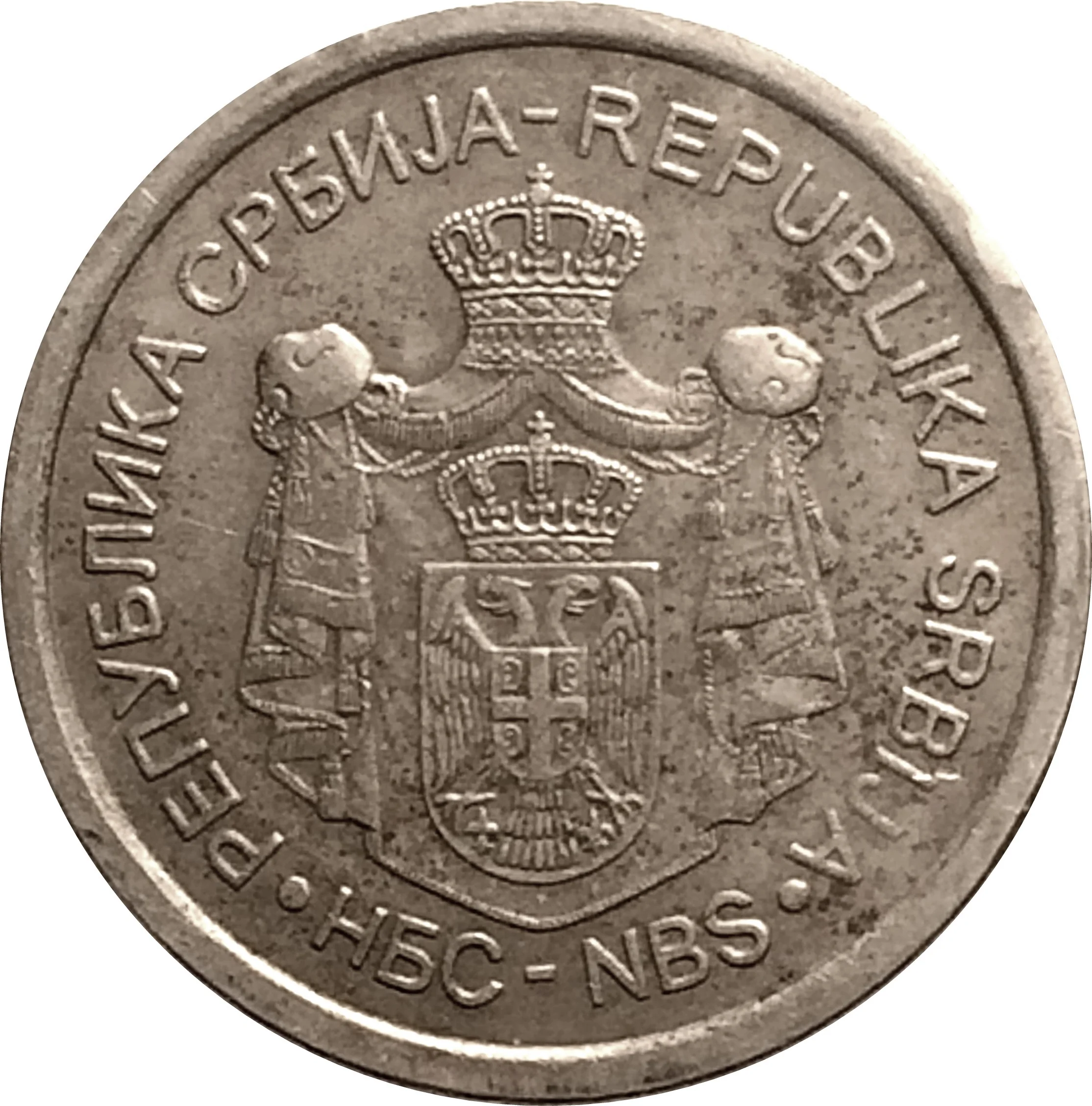
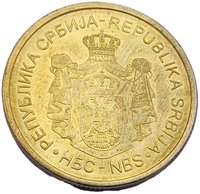
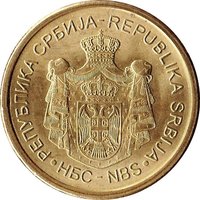
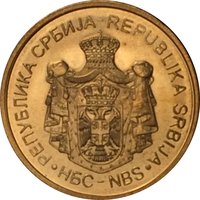
Obverse
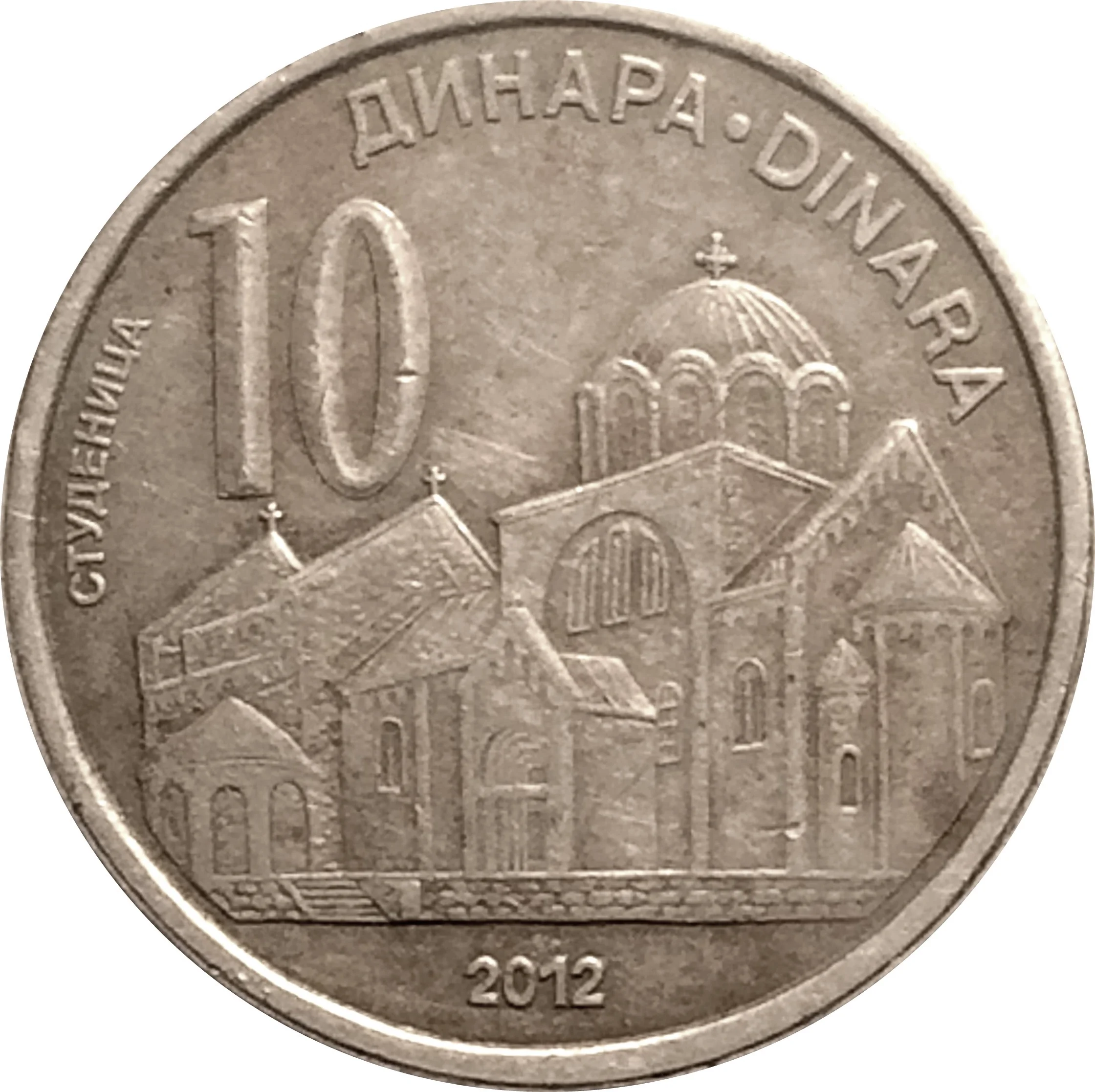
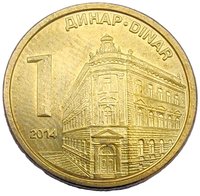
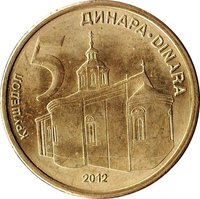
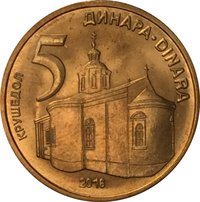
Reverse
Edge
Segmented reeding
Categories
| Animal> Bird |
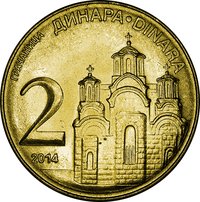
| Building> Religious building |
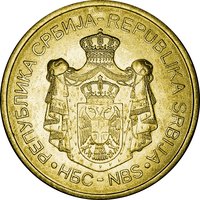
| Symbol> Crown |
| Symbols> Coat of Arms |
| Symbol> Double-headed eagle |
Mints
| Name | Mark |
|---|---|
| Belgrade | — |
Mintings
| Year | Mint Mark | Mintage | Quality | Collection |
|---|---|---|---|---|
| 2011 | — | — | ||
| 2012 | — | — |
Historical background
In 2011, Serbia's currency situation was characterized by significant volatility and pressure on the Serbian dinar (RSD), driven by the escalating Eurozone sovereign debt crisis. As a small, open economy with a high degree of euroization, Serbia was highly vulnerable to external shocks. Investor risk aversion towards emerging European markets led to capital outflows, while a growing trade deficit and reduced foreign direct investment put sustained downward pressure on the dinar. The National Bank of Serbia (NBS) faced a difficult policy trilemma, attempting to manage inflation, support economic growth, and defend the currency simultaneously.
The NBS's primary response was a strategy of frequent and often substantial interventions in the foreign exchange market, selling euros to slow the dinar's depreciation. Throughout the year, the bank spent billions of euros from its foreign currency reserves to prop up the dinar, aiming to curb imported inflation and maintain financial stability. These interventions were accompanied by a tight monetary policy, with the key policy rate raised several times, reaching 11.75% by the end of the third quarter to combat inflation and make dinar assets more attractive, albeit at the cost of constraining economic activity.
Ultimately, the pressures proved persistent, and the dinar depreciated by approximately 15% against the euro over the course of 2011. This depreciation, while adding to inflationary pressures, also helped to correct the trade imbalance by making exports cheaper and imports more expensive. The year highlighted the structural challenges of the Serbian economy and set the stage for subsequent policy debates, including the eventual adoption of a formal inflation-targeting regime by the NBS in the following years to shift focus more directly to price stability.
The NBS's primary response was a strategy of frequent and often substantial interventions in the foreign exchange market, selling euros to slow the dinar's depreciation. Throughout the year, the bank spent billions of euros from its foreign currency reserves to prop up the dinar, aiming to curb imported inflation and maintain financial stability. These interventions were accompanied by a tight monetary policy, with the key policy rate raised several times, reaching 11.75% by the end of the third quarter to combat inflation and make dinar assets more attractive, albeit at the cost of constraining economic activity.
Ultimately, the pressures proved persistent, and the dinar depreciated by approximately 15% against the euro over the course of 2011. This depreciation, while adding to inflationary pressures, also helped to correct the trade imbalance by making exports cheaper and imports more expensive. The year highlighted the structural challenges of the Serbian economy and set the stage for subsequent policy debates, including the eventual adoption of a formal inflation-targeting regime by the NBS in the following years to shift focus more directly to price stability.
Series: 2011 Serbia circulation coins
🌱 Common