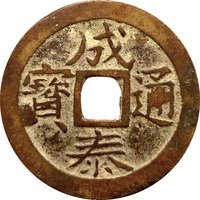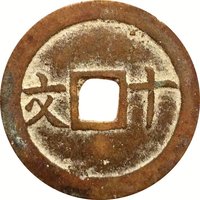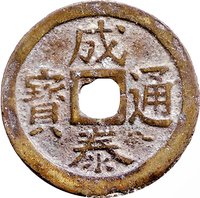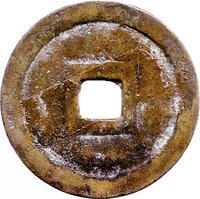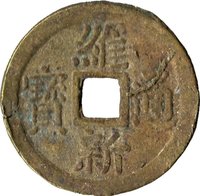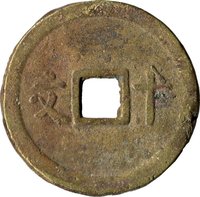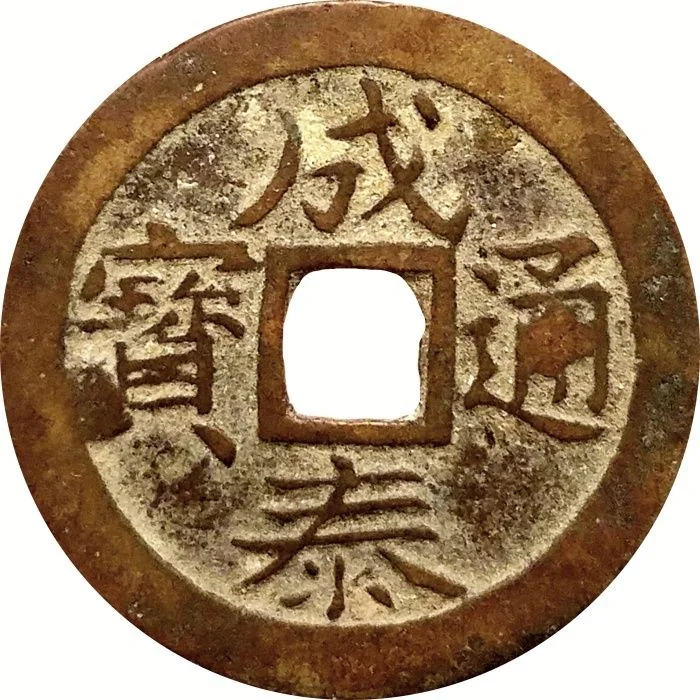
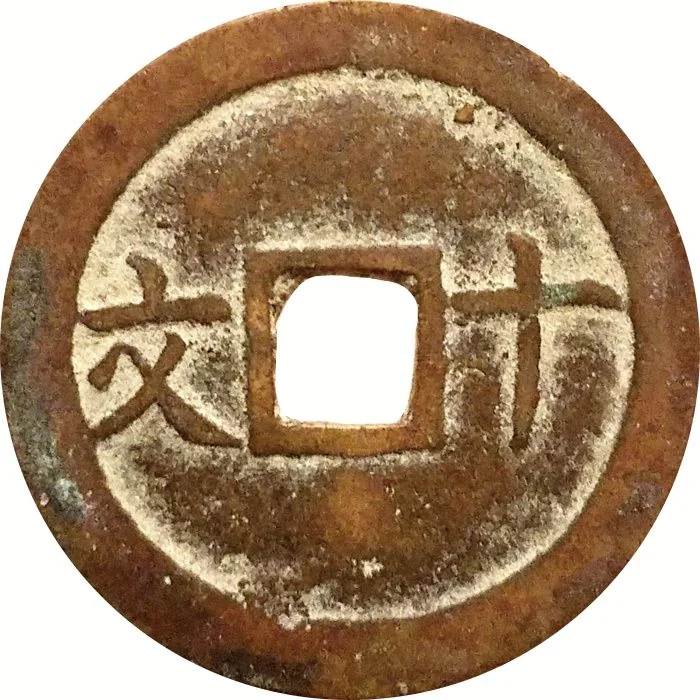
In 1893, the currency situation within the Empire of Vietnam was one of profound transition and external pressure, firmly under the shadow of French colonial domination. Although nominally independent under Emperor Thành Thái, the empire's financial autonomy had been systematically dismantled by the French following the establishment of the protectorates of Tonkin and Annam and the colony of Cochinchina. The
French Indochinese piastre, introduced by the Banque de l'Indochine (founded in 1875), was becoming the dominant and official currency, gradually supplanting Vietnam's traditional monetary system.
Prior to and alongside the piastre, a complex system of native currency persisted, though in a state of disarray. This included zinc and copper-alloy cash coins with square holes (
văn), as well as silver bars and ingots known as
lạng (taels). The exchange rates between these indigenous coins, their silver bullion, and the new piastre were unstable and often manipulated to French advantage. This created a chaotic multi-currency environment that hampered trade and facilitated exploitation, as taxes and official transactions were increasingly demanded in piastres.
Therefore, the year 1893 represents a point where colonial financial consolidation was well underway. The French strategy was to bind Indochina's economy to the Franc zone, using the piastre as a tool for economic control and resource extraction. While traditional Vietnamese coins continued to circulate, particularly in rural and daily small-scale transactions, their authority and standardization were eroding, marking the end of the empire's sovereign monetary policy and its integration into a colonial financial framework designed to benefit metropolitan France.