Logo Title
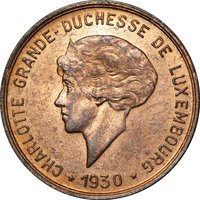
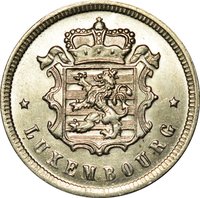
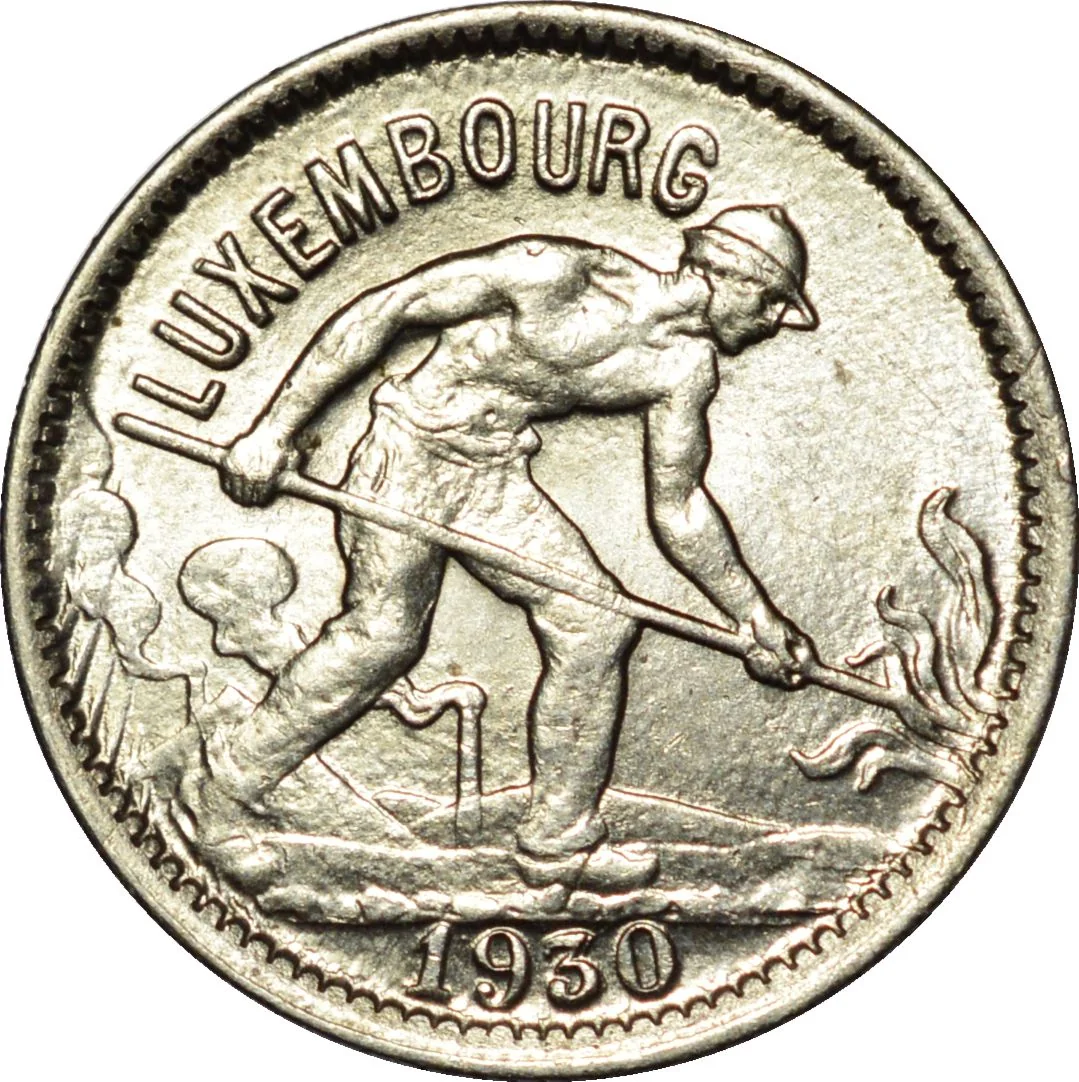
obverse
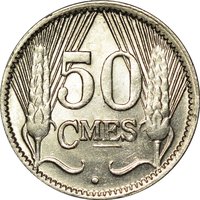
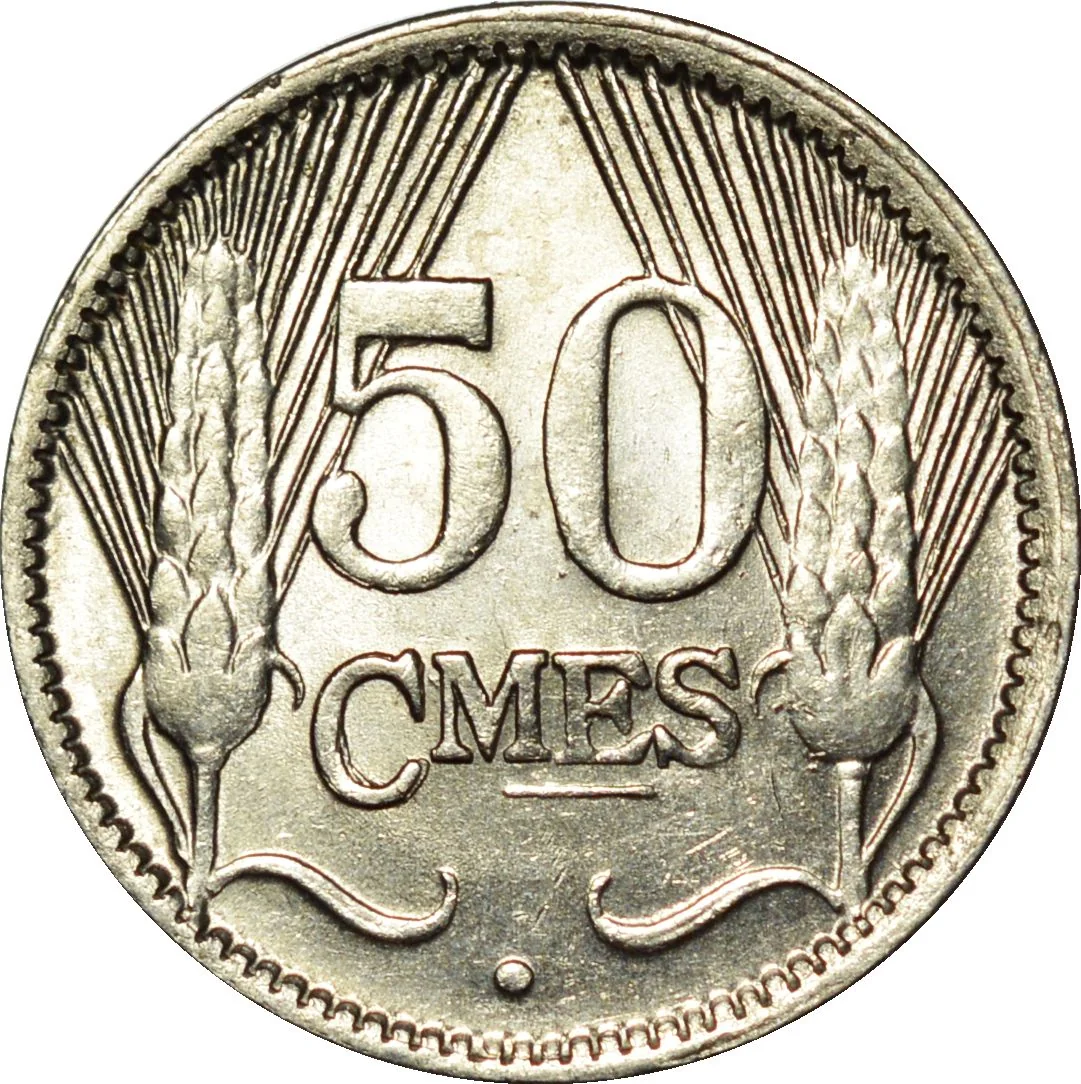
reverse
smy77 CC BY-NC-SA
Context
Year: 1930
Country: Luxembourg Country flag
Ruler: Charlotte
Currency:
(1854—2001)
Demonetization: 1 January 1953
Total mintage: 2,000,000
Material
Diameter: 19.1 mm
Weight: 3.14 g
Thickness: 1.5 mm
Shape: Round
Composition: Nickel
Magnetic: Yes
Technique: Milled
Alignment: Coin alignment
Obverse
OBVERSE ↑
flip
Reverse
REVERSE ↓
References
KM: #Click to copy to clipboard43
Numista: #3116
Value
Exchange value: 0.50 LUF

Obverse

Description:
Helmeted man facing right in industrial setting. Date below.
Inscription:
LUXEMBOURG

1930
Translation:
LUXEMBOURG
1930
Script: Latin
Languages: Luxembourgish, French

Reverse

Description:
Wheat spray value
Inscription:
50

CMES
Script: Latin

Edge

Reeded

Mintings

YearMint MarkMintageQualityCollection
19302,000,000

Historical background

In 1930, the Grand Duchy of Luxembourg was firmly embedded within the Belgium-Luxembourg Economic Union (UEBL), established in 1921. This union created a single monetary and economic territory, meaning that the Belgian franc was legal tender in Luxembourg, and the Luxembourgish franc was pegged at par (1:1) and fully convertible with it. Luxembourg did not have an independent central bank; its currency was issued by a private institution, the Banque Internationale à Luxembourg, under strict government supervision and within the limits set by the UEBL agreement. The Luxembourgish franc circulated alongside the Belgian franc, but the monetary policy was effectively directed by the National Bank of Belgium.

The global context of 1930, the first full year of the Great Depression, presented significant challenges. While the UEBL provided stability, Luxembourg's heavily export-oriented steel industry (which dominated its economy) was acutely vulnerable to the collapse in international demand and plummeting prices. This economic shock put pressure on public finances and the banking sector. However, the fixed parity with the Belgian franc shielded Luxembourg from immediate currency crises or speculative attacks, as its monetary fate was tied to its larger partner. The focus was not on independent currency management but on navigating the severe industrial downturn within the constraints and protections of the union.

Consequently, the "currency situation" in 1930 was one of dependent stability. There were no debates about devaluation or independent monetary policy; Luxembourg's currency was a subsystem of the Belgian system. The primary economic concerns were deflation, industrial unemployment, and falling government revenues, rather than direct currency instability. This arrangement would be tested severely later in the decade, leading to a temporary break in the union in 1935 when Belgium devalued its franc, but in 1930, the monetary order, though under economic strain, remained intact and unchallenged.

Series: 1930 Grand Duchy of Luxembourg circulation coins

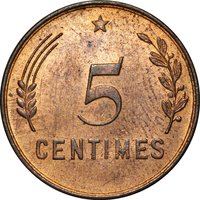
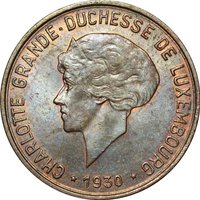
5 Centimes obverse
5 Centimes reverse
5 Centimes
1930
10 Centimes obverse
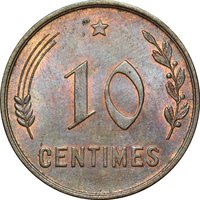
10 Centimes reverse
10 Centimes
1930
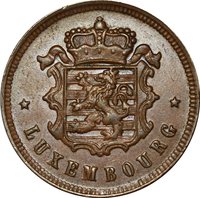
25 Centimes obverse
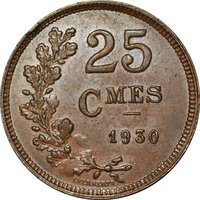
25 Centimes reverse
25 Centimes
1930
50 Centimes obverse
50 Centimes reverse
50 Centimes
1930
🌱 Common