

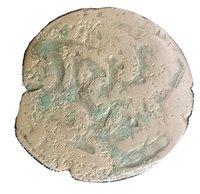
1 Rupee – Afghanistan
Afghanistan
Context
Material
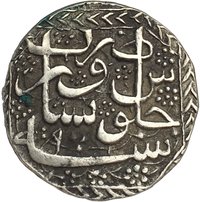
Diameter: 21 mm
Weight: 10.64 g
Silver weight: 10.64 g
Shape: Irregular round
Composition: Silver
Magnetic: No
Alignment: Medal alignment
flip
References
KM: #Click to copy to clipboard728
Numista: #135724
Value
Bullion value: $30.44
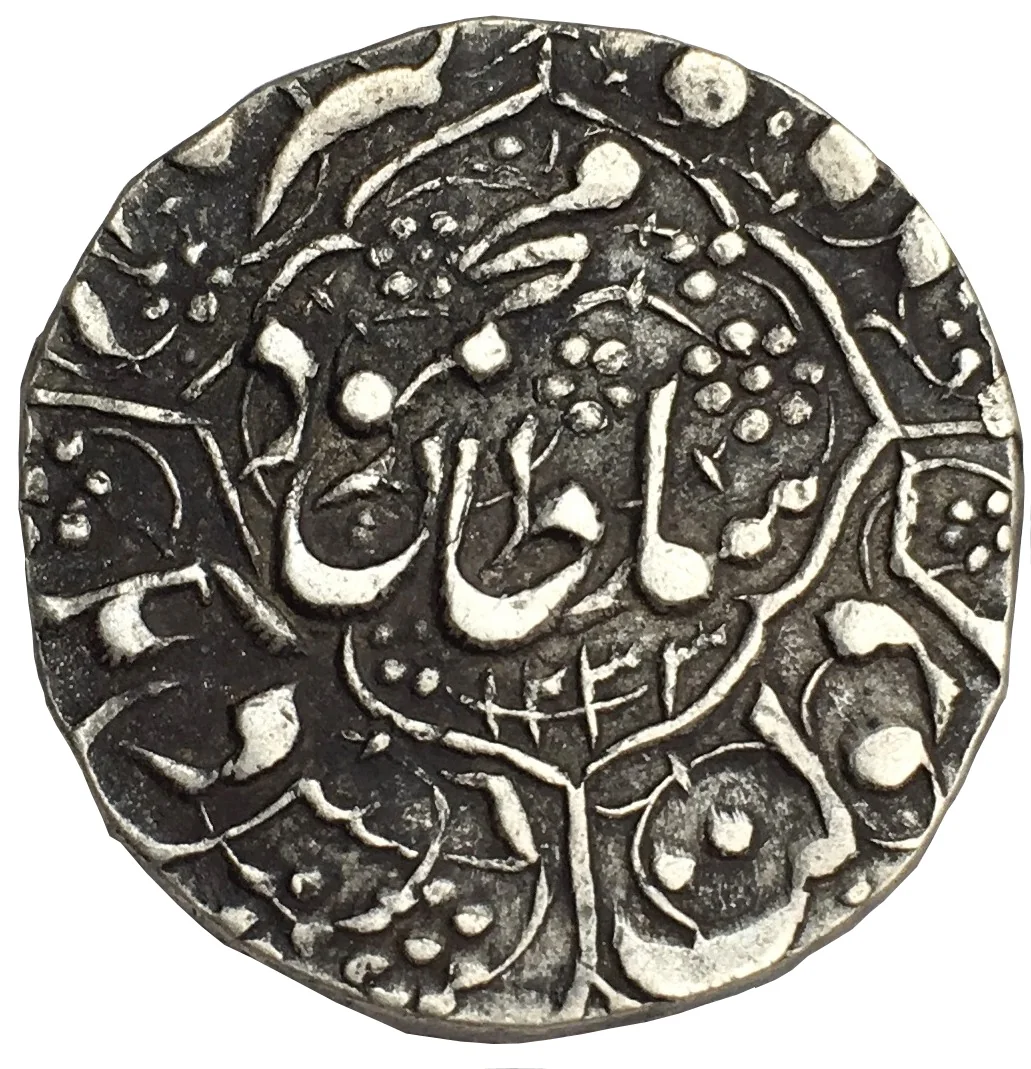
Obverse
Description:
Circular legend framing central cartouche.
Script: Arabic
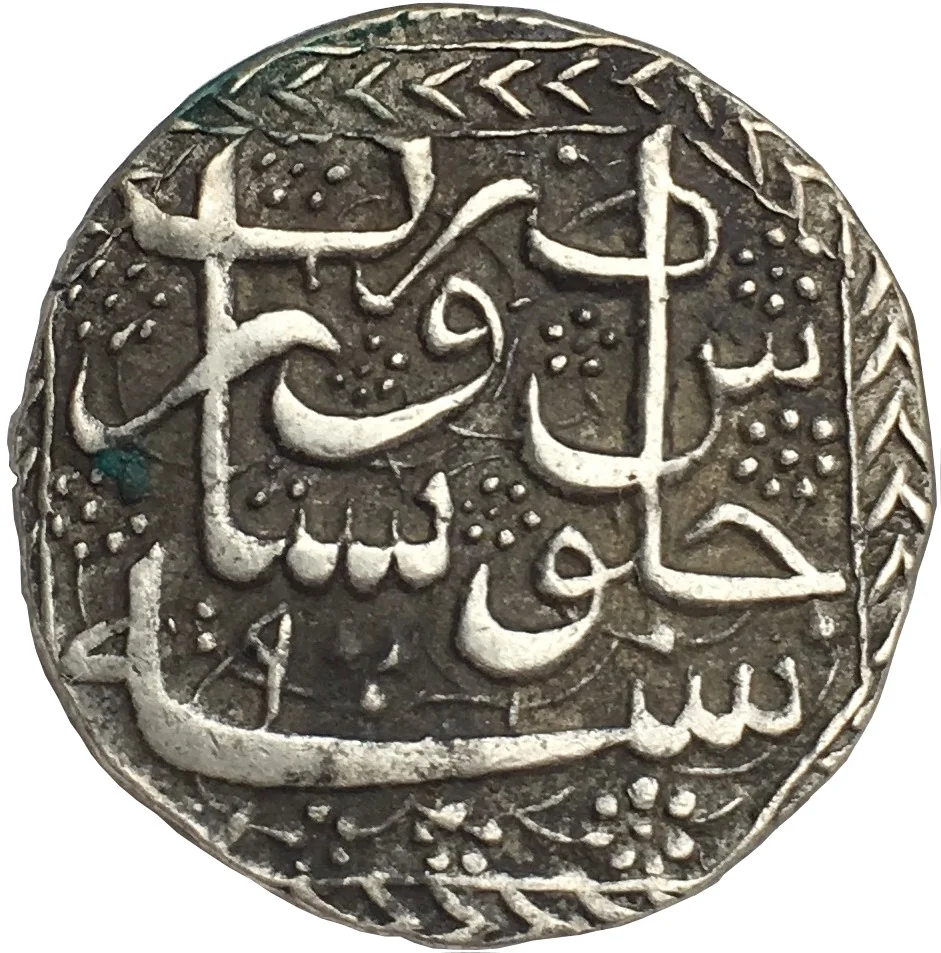
Reverse
Script: Arabic
Edge
Plain
Mints
| Name | Mark |
|---|---|
| Peshawar | — |
Mintings
| Year | Mint Mark | Mintage | Quality | Collection |
|---|---|---|---|---|
| 1816 | — | — | ||
| 1817 | — | — | ||
| 1818 | — | — |
Historical background
In 1816, the currency situation in Afghanistan was characterized by fragmentation and instability, reflecting the decentralized and volatile political landscape following the collapse of the Durrani Empire. The country was divided among rival claimants to the throne, primarily between the Sadozai and Barakzai factions, with no single authority controlling the entire realm. Consequently, there was no unified national currency. Instead, a mix of older Durrani coins, foreign specie, and regional mintings circulated, with their value heavily dependent on their silver or gold content and the credibility of the local ruler who issued them.
The primary circulating coins were the silver rupee and the gold mohur, inherited from the Mughal and Durrani monetary systems. Various rulers minted their own versions in cities like Kabul, Kandahar, and Peshawar, often bearing the name of the current sovereign but with varying weights and purity. This lack of standardization led to complex exchange rates and hindered trade. Alongside these, a plethora of foreign currencies were in use, including Persian tomans, Bukharan tengas, and British Indian rupees, especially in regions engaged in cross-border trade. The economy remained fundamentally agrarian and reliant on caravan trade, making the inconsistent currency a significant obstacle to commerce.
This monetary disarray was both a symptom and a cause of the era's political turmoil. The inability of any leader to impose a uniform currency system underscored their lack of consolidated power, while the economic inefficiencies further weakened state revenue and stability. The situation would begin to see gradual consolidation only decades later, following the establishment of the Emirate of Afghanistan by Dost Mohammad Khan, who worked to assert greater central control over the minting and distribution of currency as part of broader state-building efforts.
The primary circulating coins were the silver rupee and the gold mohur, inherited from the Mughal and Durrani monetary systems. Various rulers minted their own versions in cities like Kabul, Kandahar, and Peshawar, often bearing the name of the current sovereign but with varying weights and purity. This lack of standardization led to complex exchange rates and hindered trade. Alongside these, a plethora of foreign currencies were in use, including Persian tomans, Bukharan tengas, and British Indian rupees, especially in regions engaged in cross-border trade. The economy remained fundamentally agrarian and reliant on caravan trade, making the inconsistent currency a significant obstacle to commerce.
This monetary disarray was both a symptom and a cause of the era's political turmoil. The inability of any leader to impose a uniform currency system underscored their lack of consolidated power, while the economic inefficiencies further weakened state revenue and stability. The situation would begin to see gradual consolidation only decades later, following the establishment of the Emirate of Afghanistan by Dost Mohammad Khan, who worked to assert greater central control over the minting and distribution of currency as part of broader state-building efforts.
💎 Extremely Rare