

1 Falus – Afghanistan
Afghanistan
Context
Year: 1817
Islamic (Hijri) Year: 1232
Issuer: Afghanistan 
Ruler: Mahmud Shah
Currency:
(1747—1891)
Demonetization: 1922
Material
References
KM: #Click to copy to clipboard55.1-55.3
Numista: #10452
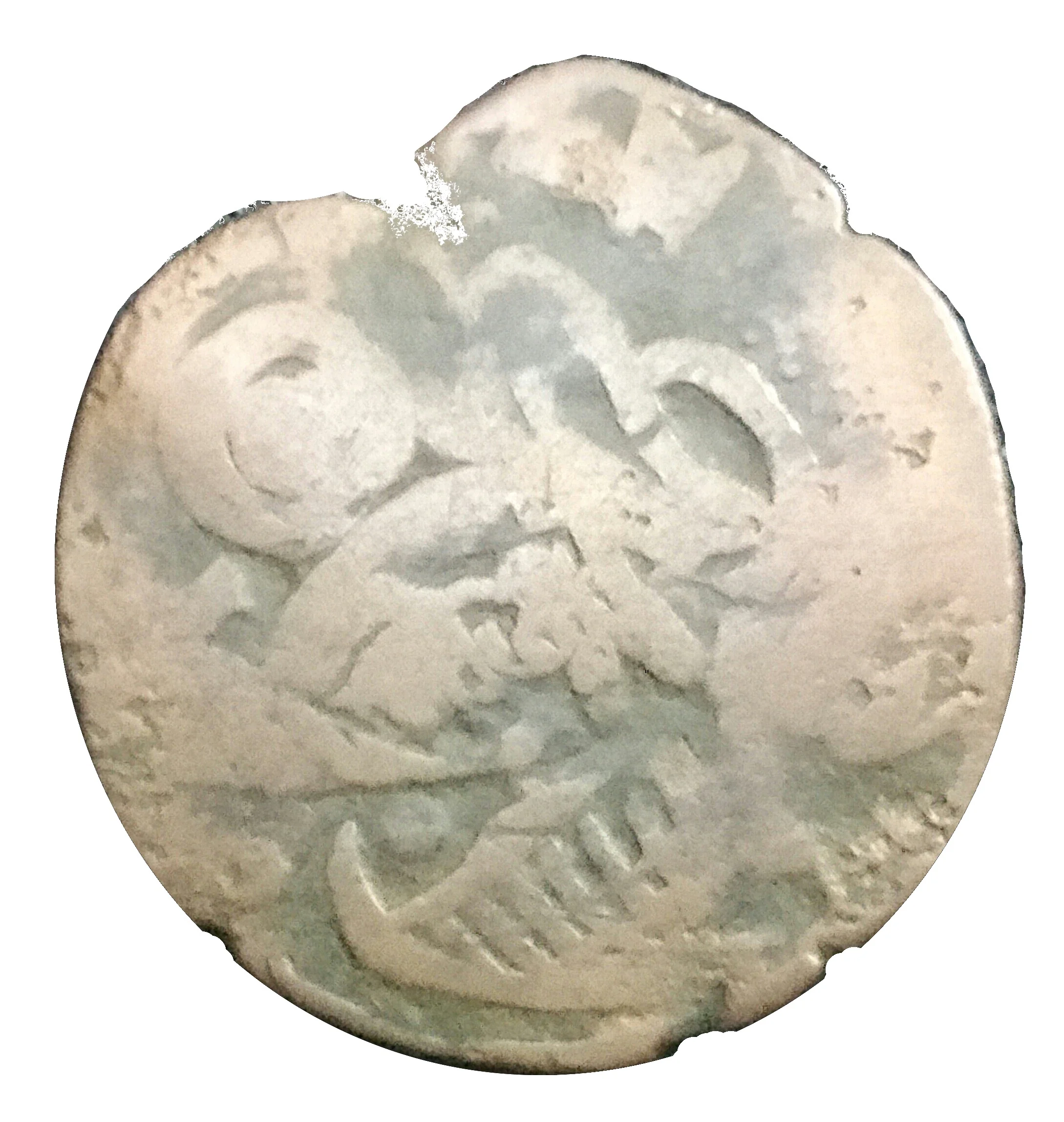
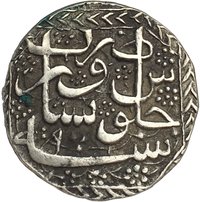
Obverse
Description:
Sword between two leaves.
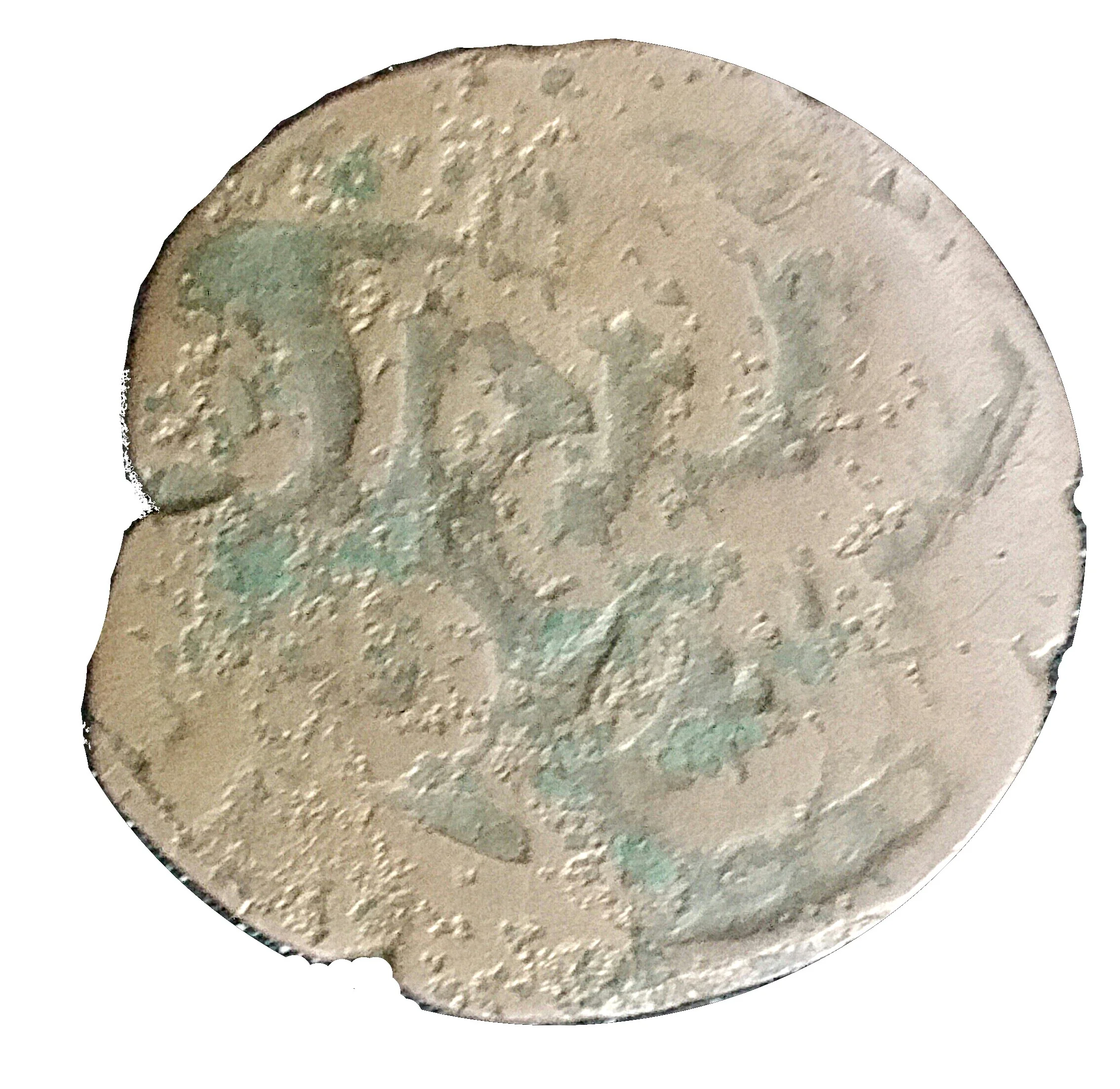
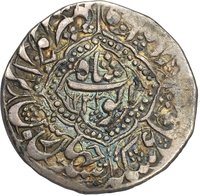
Reverse
Edge
Mints
| Name | Mark |
|---|---|
| Kabul | — |
Mintings
| Year | Mint Mark | Mintage | Quality | Collection |
|---|---|---|---|---|
| 1817 | — | — |
Historical background
In 1817, the currency situation in Afghanistan was characterized by fragmentation and instability, reflecting the decentralized and volatile political landscape following the dissolution of the Durrani Empire. The country was divided among rival claimants, with the principal power centers being Kabul under the Barakzai chief, Dost Mohammad Khan (who would formally become emir in 1826), and the Peshawar region under his half-brothers. There was no unified national currency. Instead, circulation was dominated by a mix of older Durrani silver rupees from the reign of Shah Shuja (minted until his deposition in 1809) and a variety of new, often debased, coins issued by local khans and rulers in cities like Kabul, Kandahar, and Herat. These coins competed with a steady inflow of foreign silver, particularly the widely trusted British Indian rupee and the Persian kran.
The monetary system was fundamentally silver-based, with gold coins being rare and used primarily for large transactions or hoarding. The value and purity of the silver rupees varied significantly depending on the mint and the current ruler's fiscal strength, leading to complex exchange rates and widespread distrust. This period saw significant debasement, as regional rulers, engaged in constant warfare and revenue shortfalls, reduced the silver content of their coins to finance their militaries and administrations. This practice eroded public confidence and complicated trade, both domestically and along the critical caravan routes connecting India, Central Asia, and Persia.
Consequently, the economy relied heavily on the weight and assay of precious metals rather than the face value of coins. Major merchants and money changers (sarrafs) played a crucial role in assessing and exchanging this heterogeneous mix of coinage, forming a vital but informal financial network. The currency chaos of 1817 was thus a direct symptom of the political fragmentation of the Afghan empire, hindering economic integration and stability until Dost Mohammad Khan began to consolidate power and impose a more uniform monetary system in the decades that followed.
The monetary system was fundamentally silver-based, with gold coins being rare and used primarily for large transactions or hoarding. The value and purity of the silver rupees varied significantly depending on the mint and the current ruler's fiscal strength, leading to complex exchange rates and widespread distrust. This period saw significant debasement, as regional rulers, engaged in constant warfare and revenue shortfalls, reduced the silver content of their coins to finance their militaries and administrations. This practice eroded public confidence and complicated trade, both domestically and along the critical caravan routes connecting India, Central Asia, and Persia.
Consequently, the economy relied heavily on the weight and assay of precious metals rather than the face value of coins. Major merchants and money changers (sarrafs) played a crucial role in assessing and exchanging this heterogeneous mix of coinage, forming a vital but informal financial network. The currency chaos of 1817 was thus a direct symptom of the political fragmentation of the Afghan empire, hindering economic integration and stability until Dost Mohammad Khan began to consolidate power and impose a more uniform monetary system in the decades that followed.
💎 Extremely Rare