

1 cent – Newfoundland
Add to wishlist
Canada
Context
Years: 1938–1947
Country: Canada
Issuer: Newfoundland
Ruler: George VI
Currency:
(1865—1949)
Total mintage: 6,506,831
Material
References
KM: #
Numista: #1021
Value
Exchange value: 0.01 NFD
Inflation-adjusted value: 0.21 NFD
Obverse
Description:
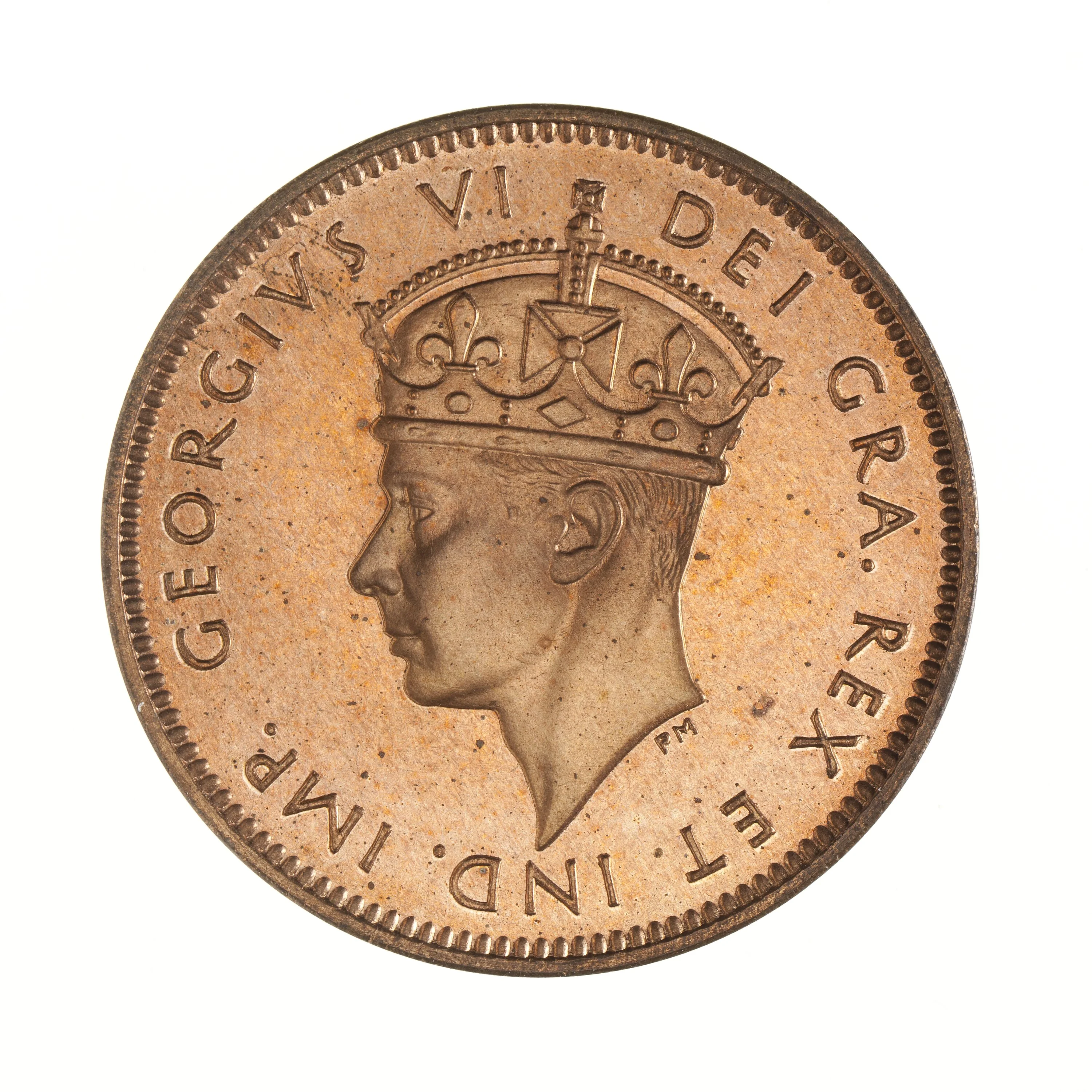
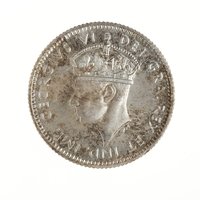
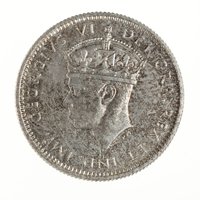
King George VI, crowned, facing left.
Inscription:
GEORGIVS VI DEI GRA. REX ET IND. IMP.
Translation:
George VI by the Grace of God King and Emperor of India.
Script: Latin
Language: Latin
Engraver: Percy Metcalfe
Reverse
Description:
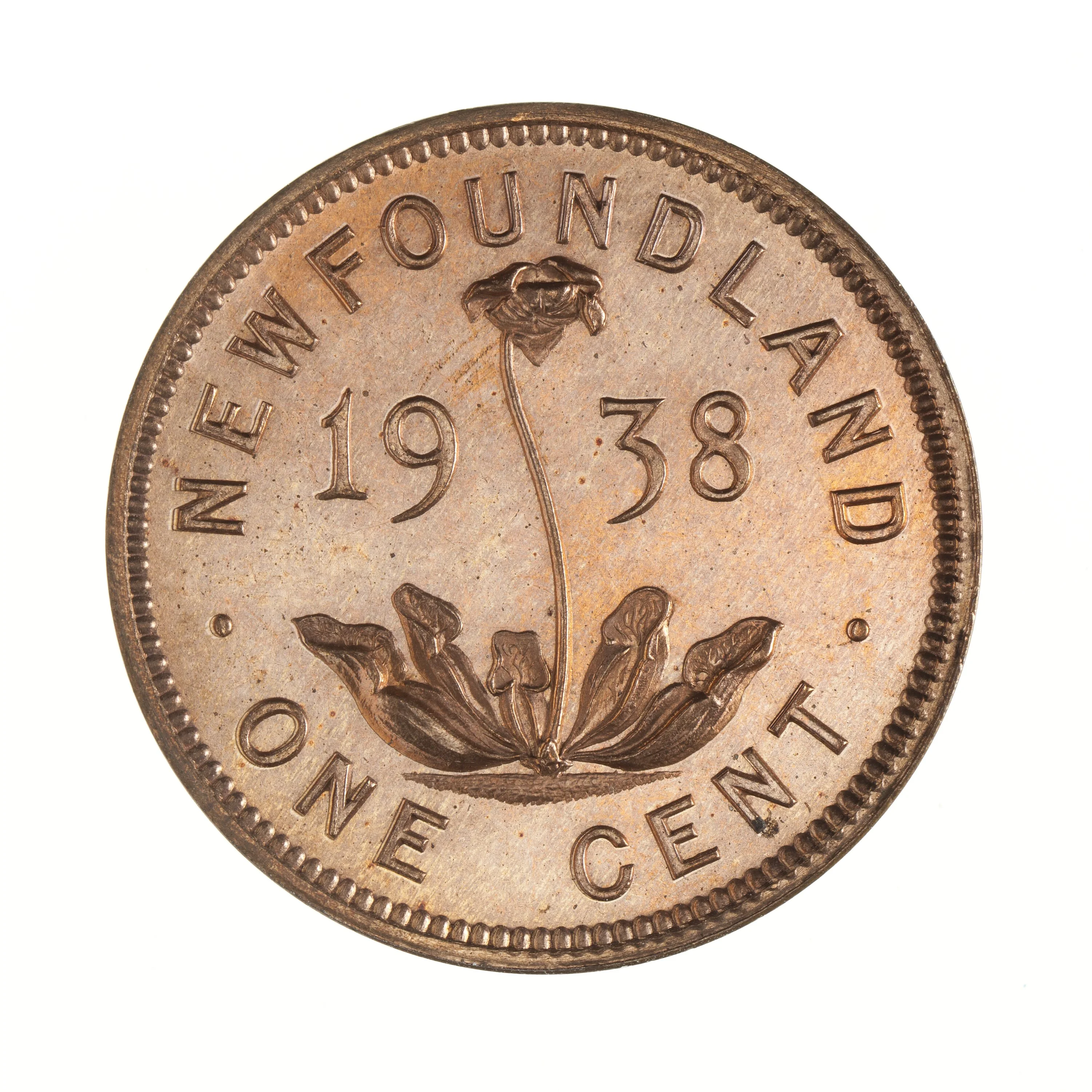
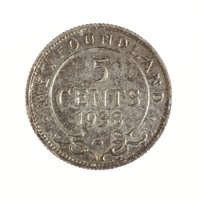
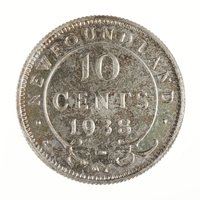
A purple pitcher plant, the island's emblem, divides the date and denomination.
Inscription:
NEWFOUNDLAND
1938
ONE CENT
1938
ONE CENT
Script: Latin
Engraver: W.J. Newman
Edge
Plain
Mints
| Name | Mark |
|---|---|
| Royal Mint (Tower Hill) | — |
| Royal Canadian Mint of Ottawa | 1940-1942 no mintmar |
| Royal Canadian Mint of Ottawa | C |
Mintings
Historical background
In 1938, Newfoundland was not a Canadian province but a separate Dominion of the British Empire, operating under a unique and dire financial arrangement: Commission of Government. This system, established in 1934, had suspended self-government after the colony’s near bankruptcy during the Great Depression. The Commission, composed of six appointed officials (three British and three Newfoundlanders) and chaired by a British governor, held all legislative and executive power. Its primary mandate was to restore solvency and stability, effectively making Newfoundland a ward of the British Treasury.
The currency situation was a direct reflection of this political reality. Newfoundland issued its own distinct currency, the Newfoundland dollar, which was pegged at par with the Canadian dollar. However, this peg was maintained through strict fiscal control and British financial backing. The Commission’s austerity measures, while stabilizing the currency, came at a high social cost, with persistent unemployment and limited public spending. Economically, the island remained heavily dependent on the export of saltfish, pulp, and paper, with Canada being its dominant trading partner, which further tied its financial fortunes to the Canadian economic sphere.
By 1938, the Commission had balanced the budget, but the political and currency future was uncertain. There was no clear path back to responsible government, and whispers about a potential future confederation with Canada were beginning to circulate in some quarters. The Newfoundland dollar, though stable, existed within a fragile economy entirely managed by an unelected body. Thus, the currency symbolized both the achieved fiscal discipline and the profound loss of political autonomy, setting the stage for the pivotal debates about the island’s post-war future that would culminate in the 1949 referendum to join Canada.
The currency situation was a direct reflection of this political reality. Newfoundland issued its own distinct currency, the Newfoundland dollar, which was pegged at par with the Canadian dollar. However, this peg was maintained through strict fiscal control and British financial backing. The Commission’s austerity measures, while stabilizing the currency, came at a high social cost, with persistent unemployment and limited public spending. Economically, the island remained heavily dependent on the export of saltfish, pulp, and paper, with Canada being its dominant trading partner, which further tied its financial fortunes to the Canadian economic sphere.
By 1938, the Commission had balanced the budget, but the political and currency future was uncertain. There was no clear path back to responsible government, and whispers about a potential future confederation with Canada were beginning to circulate in some quarters. The Newfoundland dollar, though stable, existed within a fragile economy entirely managed by an unelected body. Thus, the currency symbolized both the achieved fiscal discipline and the profound loss of political autonomy, setting the stage for the pivotal debates about the island’s post-war future that would culminate in the 1949 referendum to join Canada.
🌱 Very Common