

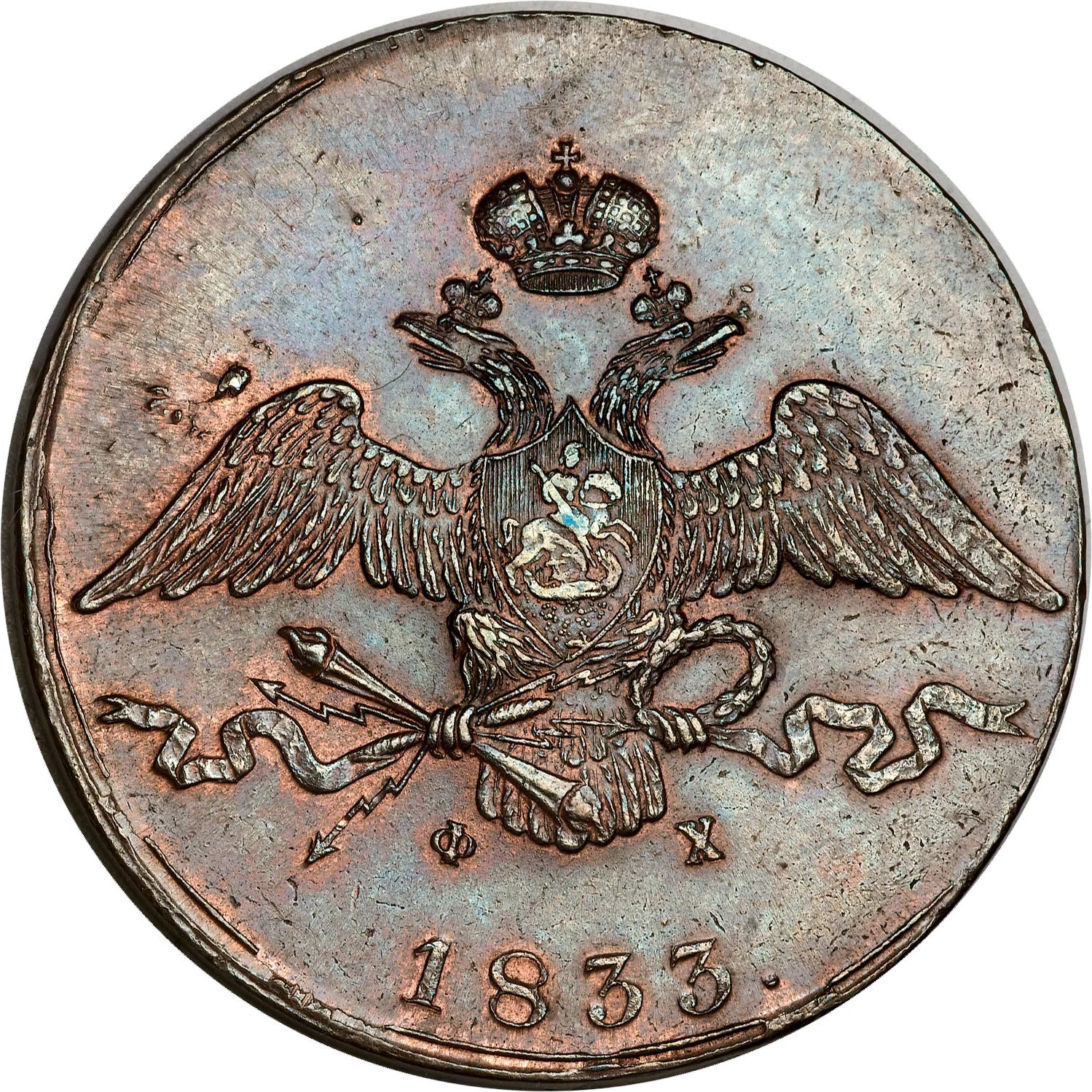
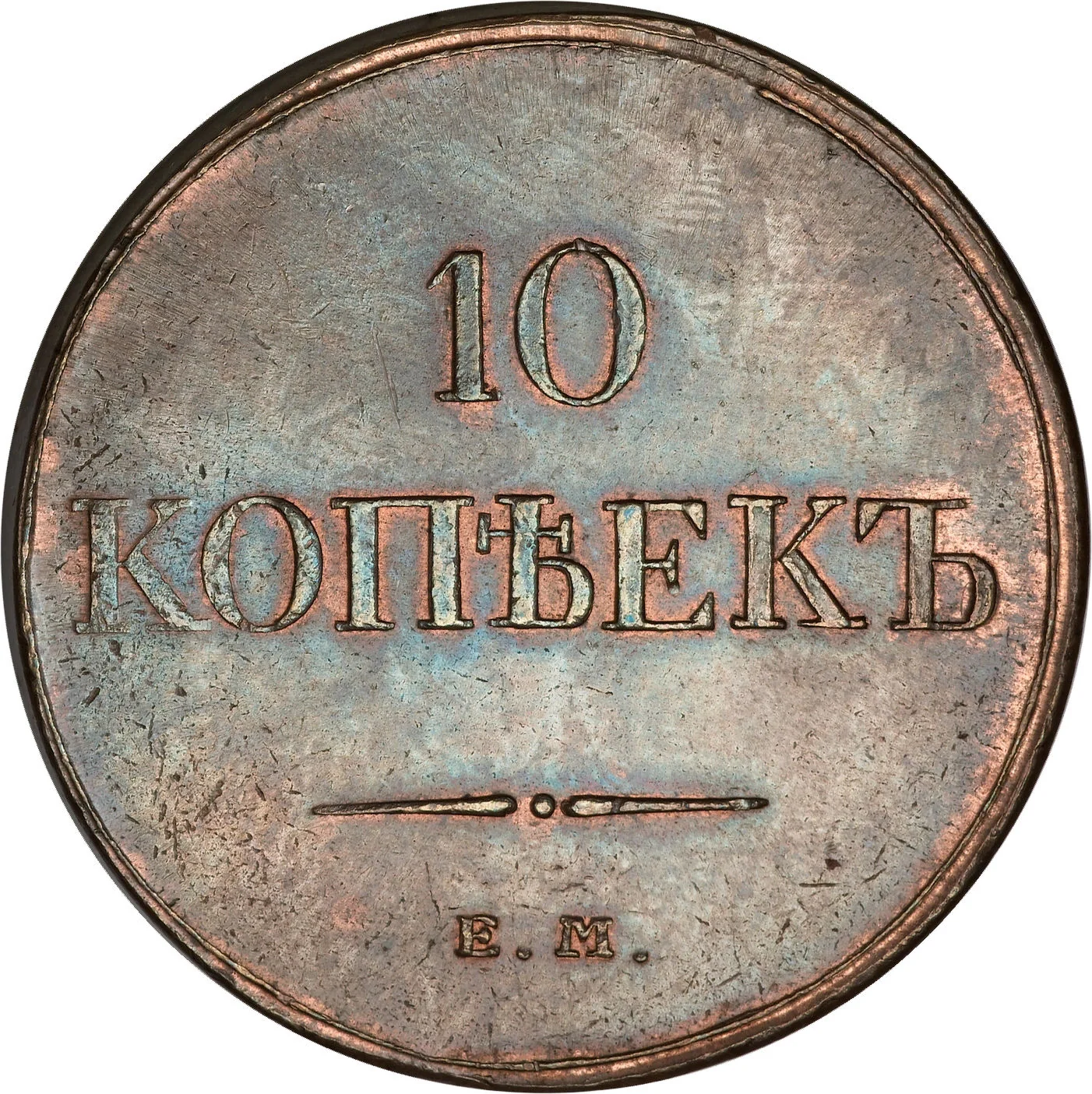
10 kopecks – Russian Empire
Add to wishlist
Russia
Context
Years: 1831–1839
Country: Russia
Issuer: Russian Empire
Ruler: Nicholas I
Currency:
(1700—1917)
Demonetized: Yes
Total mintage: 44,595,510
Material
References
Numista: #27218
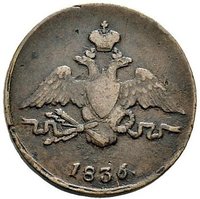
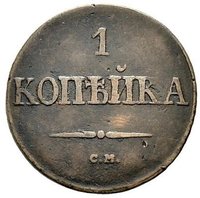
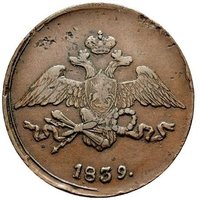
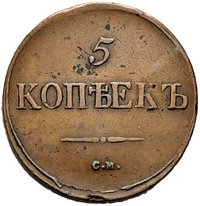
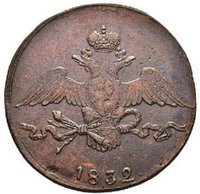
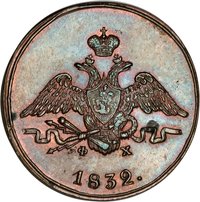
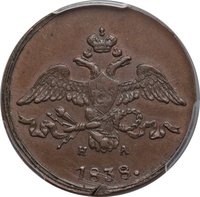
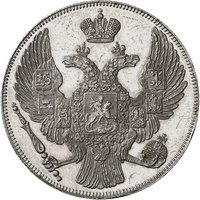
Obverse
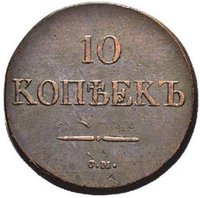
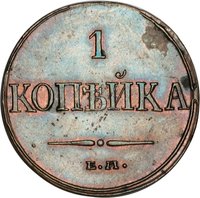
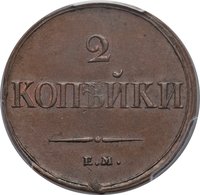
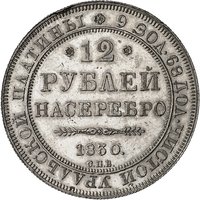
Reverse
Edge
Plain
Mintings
| Year | Mint Mark | Mintage | Quality | Collection |
|---|---|---|---|---|
| 1831 | ЕМ | 2,640,010 | BU | |
| 1832 | ЕМ | 7,620,000 | BU | |
| 1833 | ЕМ | 6,968,500 | BU | |
| 1834 | ЕМ | 9,133,750 | BU | |
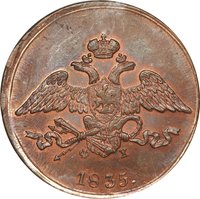
| 1835 | ЕМ | 5,175,000 | BU | |
| 1836 | ЕМ | 7,240,000 | BU | |
| 1837 | ЕМ | — | BU | |
| 1838 | ЕМ | 5,468,250 | BU | |
| 1839 | ЕМ | 350,000 | BU |
Historical background
In 1831, the currency system of the Russian Empire was defined by the silver standard, formally established by the monetary reform of Count Egor Kankrin in 1839-1843. However, the groundwork for this system was being laid in the early 1830s, a period characterized by monetary instability and a complex circulation of multiple forms of money. The primary unit was the silver ruble, but the economy heavily relied on assignats (paper assignation rubles), which had been in circulation since the reign of Catherine the Great. These paper notes were not freely convertible into silver and traded at a significant and fluctuating discount, often around 25-30%, creating a de facto dual-currency system where prices were frequently quoted in both silver rubles and assignat rubles.
The financial strain of the Napoleonic Wars and the costly Decembrist Revolt of 1825 had led to excessive issuance of assignats, causing inflation and undermining public confidence in paper money. Furthermore, the empire was also contending with a multitude of foreign coins, particularly Dutch ducats and silver thalers, which circulated freely due to trade and were often preferred for large transactions and hoarding. This monetary chaos complicated commerce, state finances, and tax collection, as the state treasury received depreciated paper while many obligations were calculated in silver.
Recognizing these systemic issues, the government under Tsar Nicholas I and his Finance Minister Kankrin was actively pursuing a path toward stabilization in 1831. The key strategy involved the gradual accumulation of a silver reserve and the reduction of assignat circulation in preparation for a formal reform. The pivotal moment would come later in the decade with the Manifesto of July 1, 1839, which declared the silver ruble the primary monetary unit and fixed the devalued assignat at a permanent rate of 3.5 assignat rubles to 1 silver ruble, paving the way for the introduction of new, fully convertible credit notes in the 1840s. Thus, 1831 represents a critical juncture of accumulating problems and the quiet, determined preparation for a fundamental monetary overhaul.
The financial strain of the Napoleonic Wars and the costly Decembrist Revolt of 1825 had led to excessive issuance of assignats, causing inflation and undermining public confidence in paper money. Furthermore, the empire was also contending with a multitude of foreign coins, particularly Dutch ducats and silver thalers, which circulated freely due to trade and were often preferred for large transactions and hoarding. This monetary chaos complicated commerce, state finances, and tax collection, as the state treasury received depreciated paper while many obligations were calculated in silver.
Recognizing these systemic issues, the government under Tsar Nicholas I and his Finance Minister Kankrin was actively pursuing a path toward stabilization in 1831. The key strategy involved the gradual accumulation of a silver reserve and the reduction of assignat circulation in preparation for a formal reform. The pivotal moment would come later in the decade with the Manifesto of July 1, 1839, which declared the silver ruble the primary monetary unit and fixed the devalued assignat at a permanent rate of 3.5 assignat rubles to 1 silver ruble, paving the way for the introduction of new, fully convertible credit notes in the 1840s. Thus, 1831 represents a critical juncture of accumulating problems and the quiet, determined preparation for a fundamental monetary overhaul.
🌟 Uncommon