

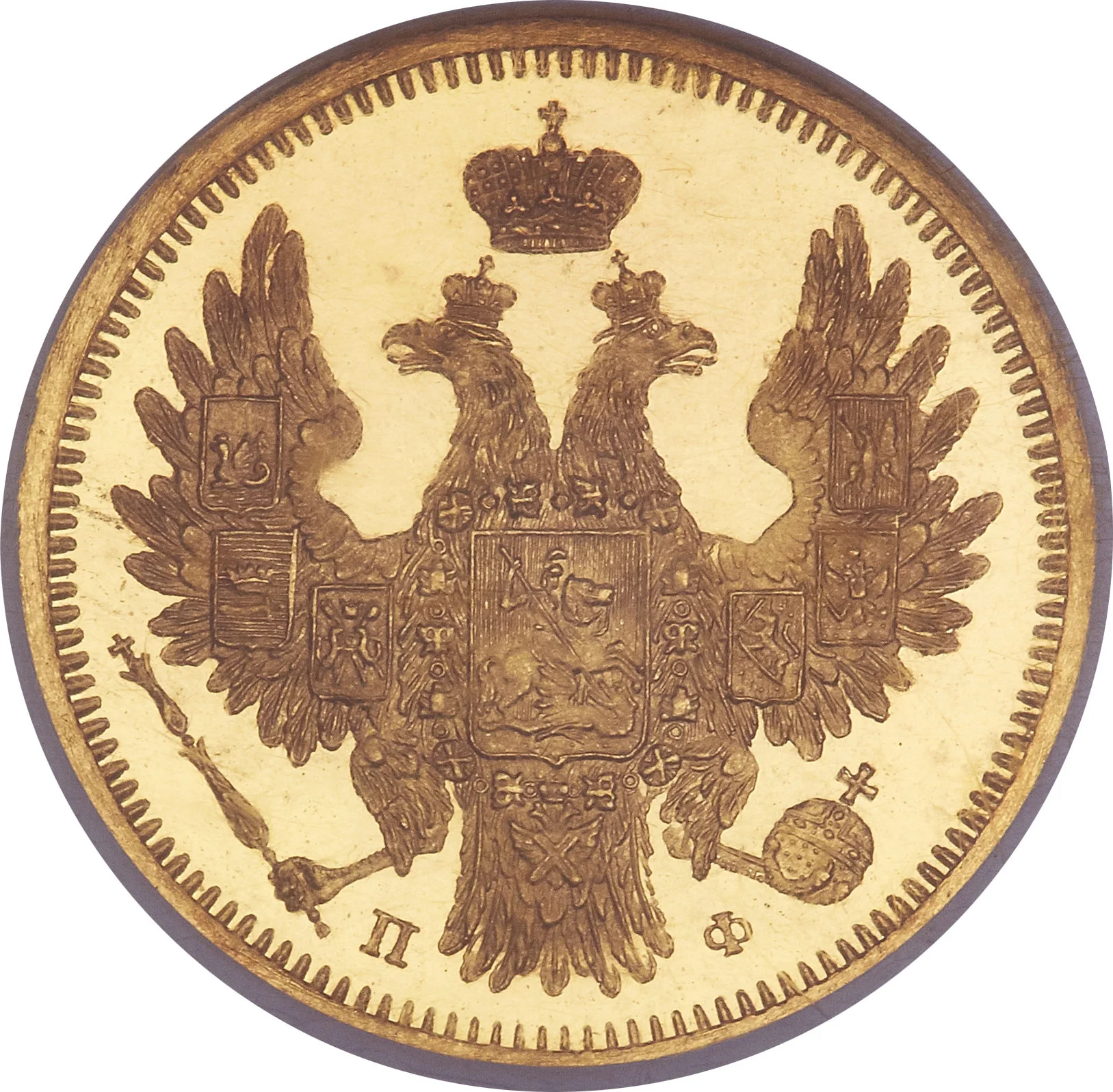
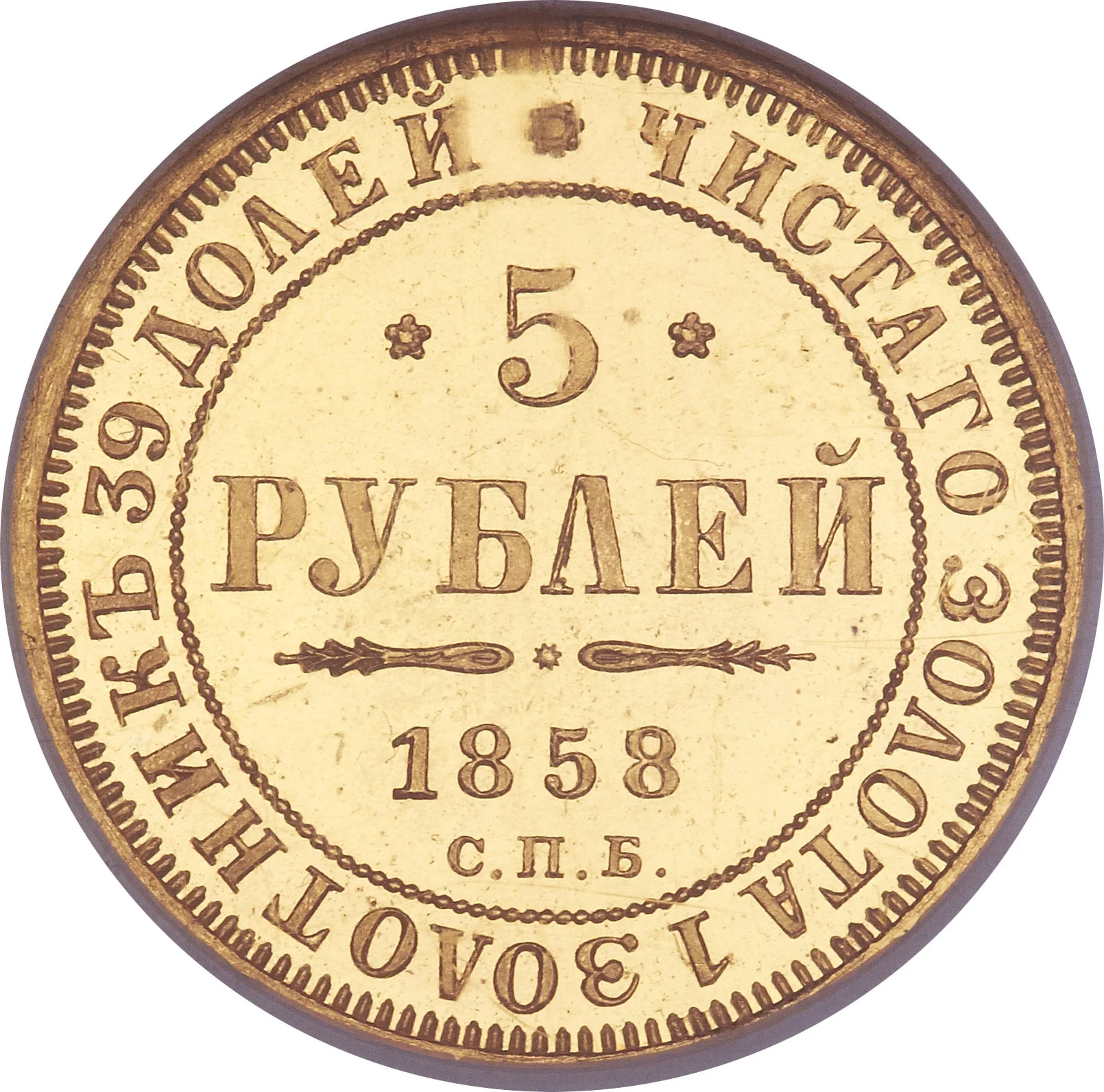
5 Rubles – Russian Empire
Russia
Context
Years: 1855–1858
Country: Russia 
Issuer: Russian Empire
Ruler: Alexander II
Currency:
(1700—1917)
Demonetized: Yes
Total mintage: 15,700,013
Material
References
Y: #Click to copy to clipboardA26
Numista: #26863
Value
Bullion value: $999.68
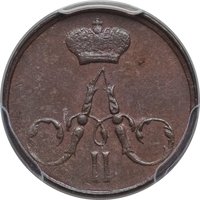
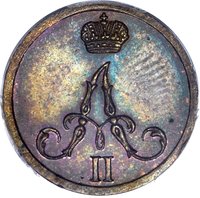
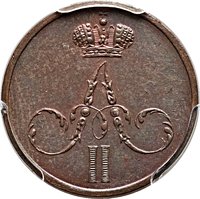
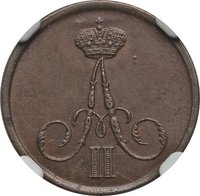
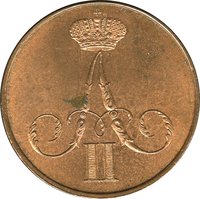
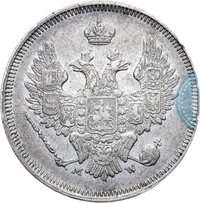
Obverse
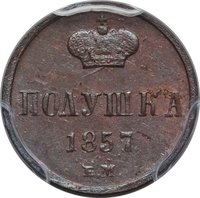
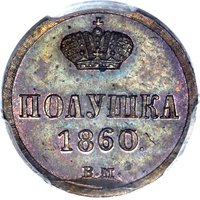
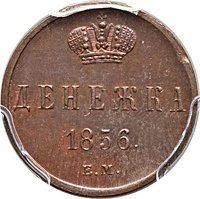
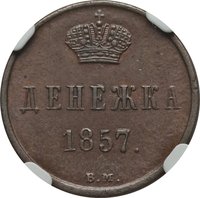
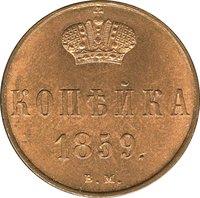
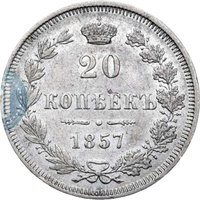
Reverse
Edge
Dashed
Mintings
| Year | Mint Mark | Mintage | Quality | Collection |
|---|---|---|---|---|
| 1855 | СПБ | 3,900,004 | BU | |
| 1856 | СПБ | 3,800,002 | BU | |
| 1857 | СПБ | 4,500,002 | BU | |
| 1858 | СПБ | 3,500,005 | BU |
Historical background
In 1855, the Russian Empire's currency system was a complex and strained relic of the earlier Nicholas I era, fundamentally based on the silver ruble. However, the state's finances were severely burdened by the ongoing Crimean War (1853-1856), which triggered massive military expenditures. To cover these costs, the government heavily resorted to printing vast quantities of paper money known as assignats (assignation rubles), which were not fully convertible to silver. This led to a severe divergence in value, creating a de facto dual-currency system where the silver ruble traded at a significant premium over the paper assignat, eroding public confidence in the paper currency and causing inflation.
The system was further complicated by the existence of other monetary instruments, including copper coinage for everyday transactions and credit notes (creditnye bilety) introduced in the 1840s, which were also depreciating. The Empire’s attempt to maintain an official fixed exchange rate between paper and specie was unsustainable, as the treasury's silver reserves were insufficient to back the circulating paper. Consequently, domestic trade and finance operated with a discounted paper ruble, while international settlements required scarce silver, exposing the weakness of the autocratic state's fiscal management.
Overall, the currency situation on the accession of Alexander II in 1855 was one of profound instability, marked by a depreciating paper currency, a draining specie reserve, and a cumbersome multi-metal system. This financial disarray was both a symptom and a cause of the Empire's broader economic backwardness, which had been starkly revealed by the Crimean War. The pressing need for monetary reform would become a major impetus for the comprehensive modernization programs, including the pivotal emancipation of the serfs, undertaken by the new Tsar in the subsequent decades.
The system was further complicated by the existence of other monetary instruments, including copper coinage for everyday transactions and credit notes (creditnye bilety) introduced in the 1840s, which were also depreciating. The Empire’s attempt to maintain an official fixed exchange rate between paper and specie was unsustainable, as the treasury's silver reserves were insufficient to back the circulating paper. Consequently, domestic trade and finance operated with a discounted paper ruble, while international settlements required scarce silver, exposing the weakness of the autocratic state's fiscal management.
Overall, the currency situation on the accession of Alexander II in 1855 was one of profound instability, marked by a depreciating paper currency, a draining specie reserve, and a cumbersome multi-metal system. This financial disarray was both a symptom and a cause of the Empire's broader economic backwardness, which had been starkly revealed by the Crimean War. The pressing need for monetary reform would become a major impetus for the comprehensive modernization programs, including the pivotal emancipation of the serfs, undertaken by the new Tsar in the subsequent decades.
✨ Legendary