

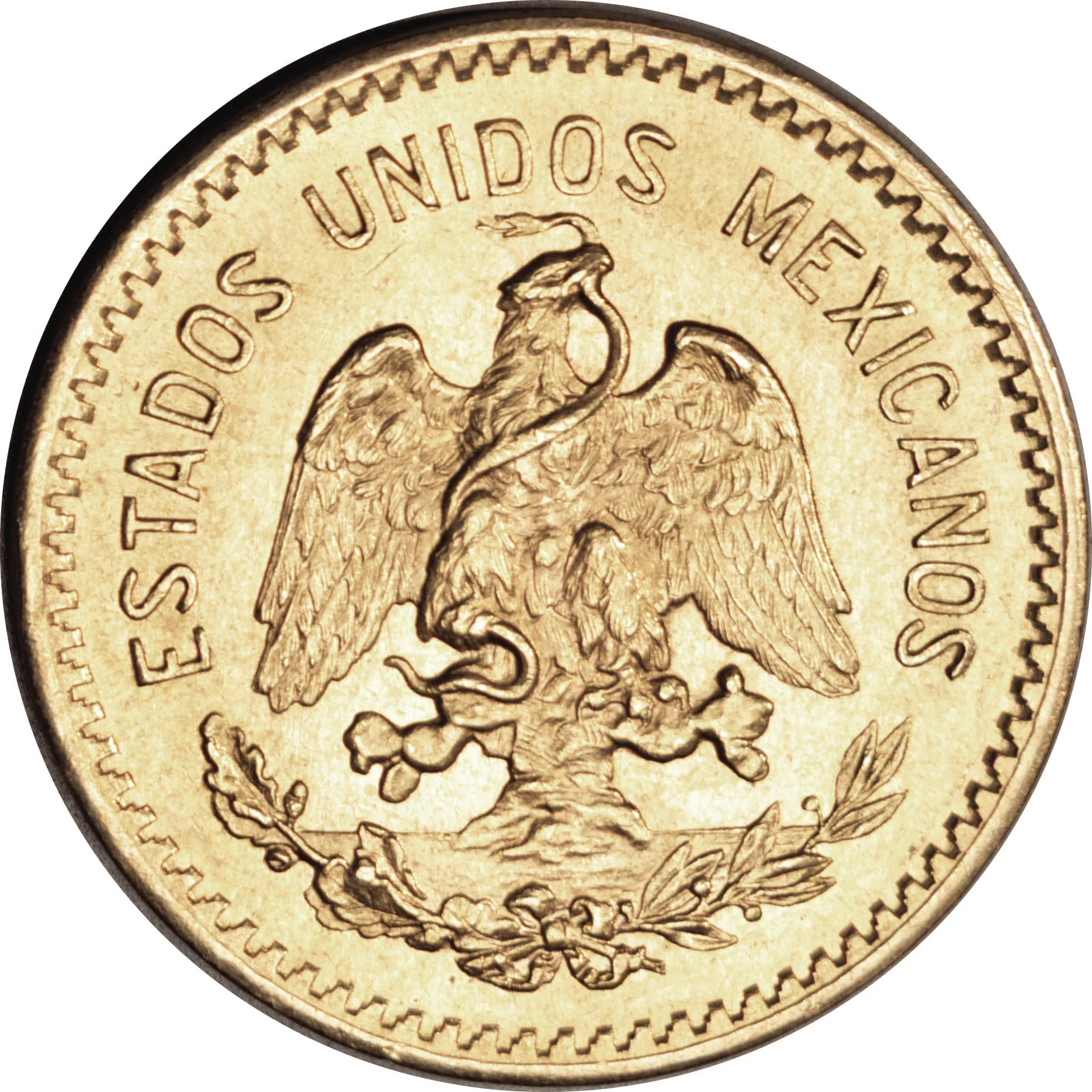
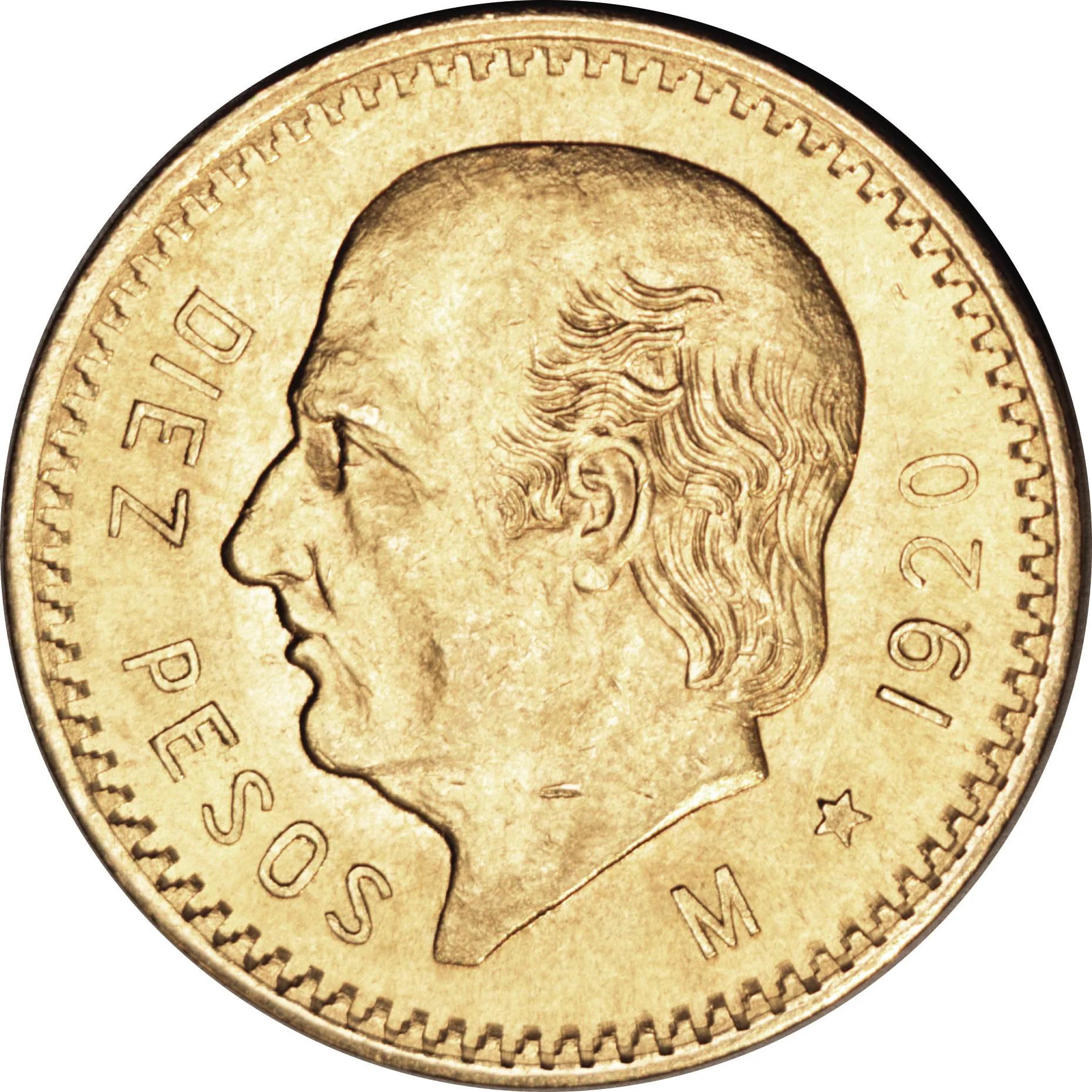
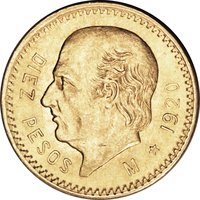
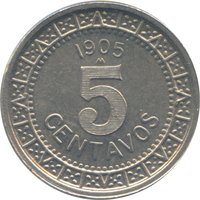
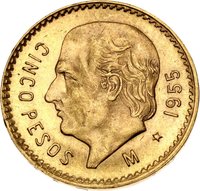
Obverse
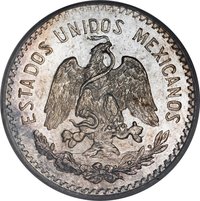
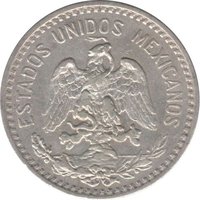
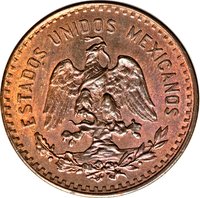
Reverse
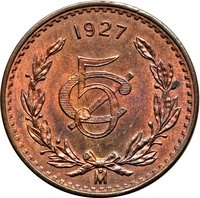
Edge
Categories
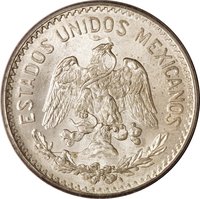
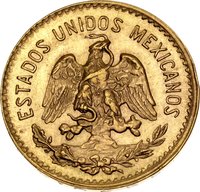
| Animal> Bird |
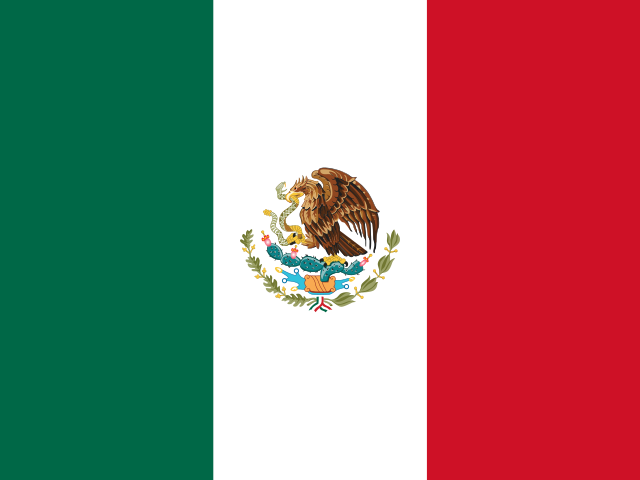
| Symbols> Coat of Arms |
Mints
| Name | Mark |
|---|---|
| Mexican Mint | M |
| United States Mint of Philadelphia | M |
Mintings
Historical background
By 1905, Mexico's currency situation was defined by a prolonged and challenging transition from a bimetallic system to the gold standard, a process initiated under the regime of President Porfirio Díaz. For decades, the Mexican peso had been a globally recognized silver dollar, but the late 19th century collapse in the international price of silver caused its value to fluctuate wildly against gold-backed currencies like the U.S. dollar. This volatility created severe problems for a government eager to attract foreign investment for railroads and industry, as investors faced exchange rate risks and the government struggled with servicing foreign debts denominated in gold.
The official response was the Monetary Law of 1905, a cornerstone of the Porfiriato's modernizing agenda. This legislation formally established the gold standard, defining a new gold peso (the "peso de oro") at a fixed rate of 0.75 grams of pure gold, equivalent to half the value of a U.S. dollar (a 2:1 ratio). Crucially, the old silver pesos remained legal tender but were relegated to a subsidiary, fractional role. The government minted new gold coins and limited the free coinage of silver, aiming to stabilize the exchange rate and signal financial credibility to international markets, particularly in London and New York.
The reform, however, created a complex and somewhat contradictory dual circulation system. While successful in stabilizing the exchange rate and pleasing foreign capitalists, it was less effective domestically. Gold coins were scarce in everyday circulation, used primarily for large transactions and international trade. The majority of the population continued to use the depreciated silver pesos and fractional copper coins, leading to a disconnect between the official gold-based financial system and the silver-based everyday economy. Thus, in 1905, Mexico presented a façade of monetary modernity, yet the benefits were unevenly distributed, cementing a financial structure that favored foreign interests and the elite while doing little to alleviate the economic realities of most Mexicans.
The official response was the Monetary Law of 1905, a cornerstone of the Porfiriato's modernizing agenda. This legislation formally established the gold standard, defining a new gold peso (the "peso de oro") at a fixed rate of 0.75 grams of pure gold, equivalent to half the value of a U.S. dollar (a 2:1 ratio). Crucially, the old silver pesos remained legal tender but were relegated to a subsidiary, fractional role. The government minted new gold coins and limited the free coinage of silver, aiming to stabilize the exchange rate and signal financial credibility to international markets, particularly in London and New York.
The reform, however, created a complex and somewhat contradictory dual circulation system. While successful in stabilizing the exchange rate and pleasing foreign capitalists, it was less effective domestically. Gold coins were scarce in everyday circulation, used primarily for large transactions and international trade. The majority of the population continued to use the depreciated silver pesos and fractional copper coins, leading to a disconnect between the official gold-based financial system and the silver-based everyday economy. Thus, in 1905, Mexico presented a façade of monetary modernity, yet the benefits were unevenly distributed, cementing a financial structure that favored foreign interests and the elite while doing little to alleviate the economic realities of most Mexicans.
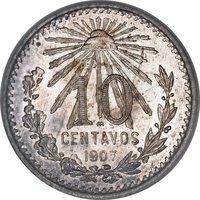
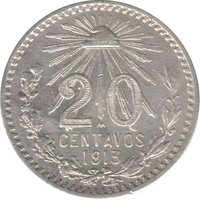
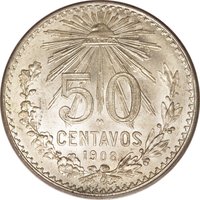
Series: 1905 Mexico circulation coins
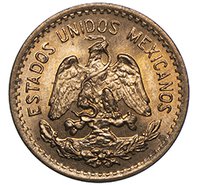
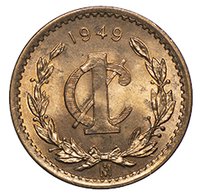
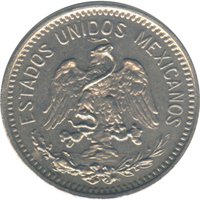
🌟 Uncommon